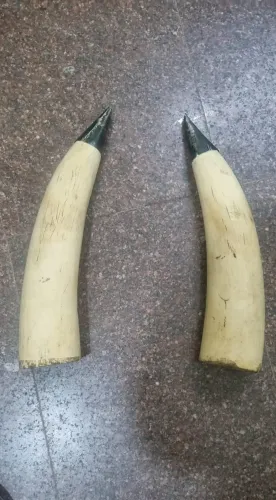
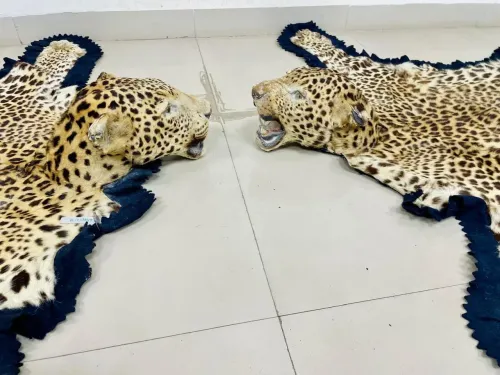
DRI Nagpur busts ivory trafficking ring in Mysuru, seizes 4 kg elephant tusks
Synopsis
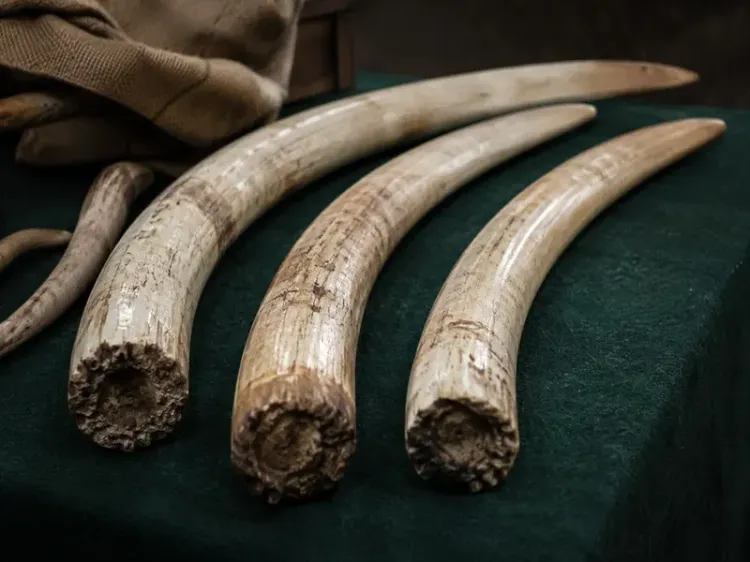
Intelligence-led raids by the DRI Nagpur Regional Unit cracked open an ivory trafficking syndicate in Mysuru, yielding 4.058 kg of Indian elephant tusks and three arrests. The case — now with forest authorities — may have links to larger interstate smuggling networks, making it a significant test of cross-agency wildlife enforcement.
Key Takeaways
The DRI Nagpur Regional Unit dismantled an illegal ivory trafficking syndicate in Mysuru, Karnataka on 26 May 2026 .
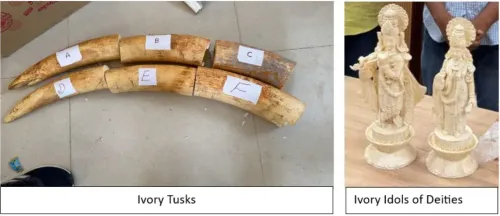
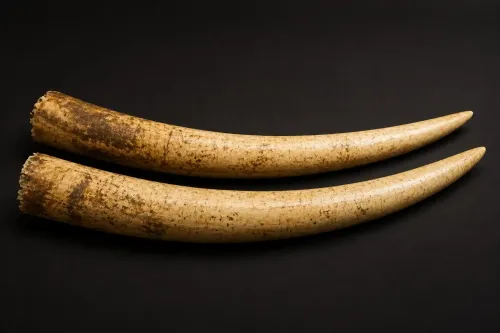
4.058 kilograms of Indian elephant tusks were seized, and three individuals were arrested.
The Indian elephant is listed under Schedule-I of the Wildlife Protection Act, 1972 , making any trade in its parts completely illegal.
The arrested persons and seized ivory were handed over to the Forest Range Officer, Mysuru Territorial Range for prosecution.
The case is under active investigation for possible links to larger interstate smuggling networks .
The Directorate of Revenue Intelligence (DRI) Nagpur Regional Unit, operating under the Mumbai Zonal Unit, dismantled an illegal wildlife trafficking syndicate in Mysuru, Karnataka on 26 May 2026, seizing 4.058 kilograms of Indian elephant tusks and arresting three individuals involved in the illicit trade. The operation marks one of the more significant ivory busts in the region in recent years, with the case now handed to forest authorities for prosecution.
How the Operation Unfolded
Acting on specific intelligence, a DRI team raided a location in Mysuru and apprehended the three suspects, who were reportedly found actively dealing in protected wildlife products. All seizure formalities were completed at the site following standard procedure.
The three arrested individuals, along with the confiscated 4.058 kg of ivory, were subsequently handed over to the Forest Range Officer of the Mysuru Territorial Range. The forest department will now pursue further legal proceedings under the relevant sections of the Wildlife Protection Act, 1972.
Why This Ivory Was Targeted
The Indian elephant holds Schedule-I status under the Wildlife Protection Act, 1972 — the highest level of legal protection available under Indian law. This classification imposes a complete ban on hunting, trading, or possessing the animal or any of its body parts, including tusks.
Despite this, Asian ivory — particularly from Indian elephants — commands high prices in underground international markets, where carved pieces are viewed as symbols of luxury. Carvers reportedly favour Indian elephant ivory for its relative softness, which permits finer detailing in decorative artefacts. This persistent demand continues to fuel organised poaching and smuggling networks.
The Broader Wildlife Crime Challenge
This case is not an isolated incident. Organised syndicates targeting endangered species for profit have long posed a challenge to enforcement agencies across India, requiring coordinated action between central intelligence units like the DRI and state forest departments. According to officials, the case remains under active investigation as authorities explore possible links to larger smuggling networks operating across state borders.
Conservationists have welcomed the bust, calling it a timely intervention that could deter potential offenders. With Indian elephant populations already under pressure from habitat loss and poaching, enforcement actions of this nature are considered critical to the species' long-term survival.
DRI's Track Record on Wildlife Enforcement
The DRI has disrupted several wildlife trafficking networks in recent years, and officials emphasised that sustained, intelligence-driven operations remain essential to curbing the illegal trade. This latest operation reinforces the agency's stated commitment to protecting India's biodiversity and combating environmental crimes at the organised-network level.
As the investigation deepens, authorities are expected to examine whether the Mysuru syndicate had connections to interstate or international smuggling routes — a pattern seen in several previous ivory seizure cases across the country.
Point of View
But the real measure of success will be whether the three arrests lead investigators up the supply chain to the financiers and international buyers who make ivory smuggling profitable. Ground-level arrests rarely dismantle syndicates — they disrupt them temporarily. India's wildlife enforcement record shows a persistent gap between seizures and convictions, and between state forest department capacity and the sophistication of organised trafficking networks. Until the demand side — underground collectors and overseas carvers — faces comparable legal pressure, enforcement actions, however welcome, will remain a game of attrition.
NationPress
11 Oct 2026
Frequently Asked Questions
What did the DRI seize in the Mysuru ivory bust?
The DRI Nagpur Regional Unit seized 4.058 kilograms of Indian elephant tusks in Mysuru, Karnataka, on 26 May 2026, and arrested three individuals involved in the illegal trade. The ivory and the accused were handed over to the Forest Range Officer of the Mysuru Territorial Range.
Why is trading in Indian elephant ivory illegal?
The Indian elephant is listed under Schedule-I of the Wildlife Protection Act, 1972, which imposes a complete ban on hunting, trading, or possessing the animal or any of its body parts, including tusks. India is also a signatory to international conventions that prohibit the trade in Asian elephant ivory.
Who will prosecute the three arrested individuals?
The Mysuru Territorial Range Forest Department will pursue legal proceedings against the three accused under the relevant sections of the Wildlife Protection Act, 1972, following the handover by DRI officials.
Why does demand for Indian elephant ivory persist despite the ban?
Indian elephant ivory is reportedly prized for its relative softness, which allows for finer detailing in carved artefacts and decorative items. These pieces fetch high prices in underground international markets, where they are treated as luxury goods — sustaining black-market demand despite stringent national and international bans.
Are the arrested individuals linked to a larger smuggling network?
Authorities have not confirmed wider links yet, but the case remains under active investigation. Officials are reportedly examining possible connections to larger smuggling networks operating across state borders, a pattern common in organised wildlife trafficking cases in India.