CBI, DRI bust wildlife trafficking racket; 6 arrested, 53 animals rescued
Synopsis
A joint CBI-DRI operation has cracked open an interstate wildlife trafficking syndicate, netting six arrests and freeing 53 Schedule I animals — including rare Slow Loris, Binturong, and Egyptian Vultures — across Maharashtra and West Bengal. The scale of the haul and the cross-agency coordination signal a rare enforcement win in a country where wildlife trafficking networks have long outpaced legal action.
Key Takeaways
CBI and DRI, Mumbai , with WCCB support, arrested 6 persons and rescued 53 protected animals and birds on 9 July .
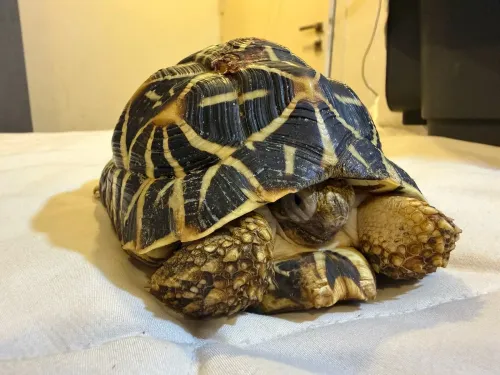
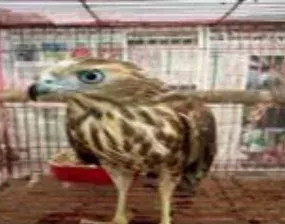
Seized wildlife includes 5 Slow Loris , 2 Binturong , 28 Star Tortoises , 6 Egyptian Vultures , and 2 Shikra birds — all under Schedule I of the Wildlife (Protection) Act, 1972.
Raids were conducted across multiple locations in Maharashtra and West Bengal ; 3 accused arrested in Mumbai , 3 in Kolkata .
Cases registered under the Wildlife (Protection) Act, 1972 and criminal conspiracy provisions of the Bharatiya Nyaya Sanhita, 2023 .
Recovered animals handed to forest departments of Maharashtra and West Bengal for safe custody.
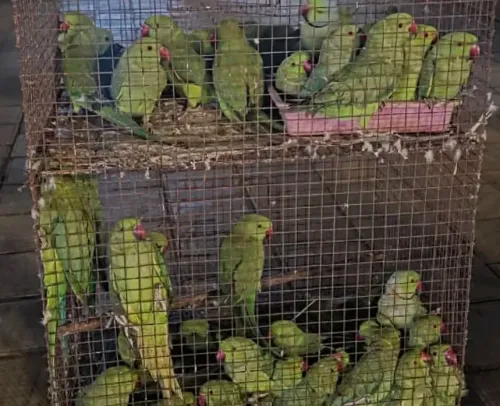
The Central Bureau of Investigation (CBI) and the Directorate of Revenue Intelligence (DRI), Mumbai, jointly dismantled an interstate wildlife trafficking syndicate on 9 July, arresting six persons and rescuing 53 protected animals and birds across Maharashtra and West Bengal. The operation, backed by the Wildlife Crime Control Bureau (WCCB), is among the most significant multi-agency wildlife enforcement actions reported this year.
Animals and Birds Recovered
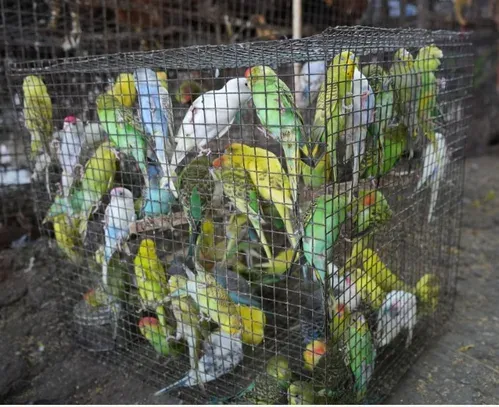
Investigators seized 5 Slow Loris, 2 Binturong, 28 Star Tortoises, 6 Egyptian Vultures, and 2 Shikra birds — all listed under Schedule I of the Wildlife (Protection) Act, 1972, which affords the highest level of legal protection in India. According to officials, the animals had been sourced from various parts of the country for interstate trade.
How the Operation Unfolded
The joint action was triggered by specific intelligence developed by DRI, Mumbai about an organised crime syndicate trafficking Schedule I species. The CBI registered two separate cases on 7 July and 8 July. Three accused were arrested in Mumbai and three others in Kolkata, with raids conducted simultaneously at multiple locations across both states.
Cases have been registered under the Wildlife (Protection) Act, 1972 and for criminal conspiracy under the Bharatiya Nyaya Sanhita, 2023. Following initial legal proceedings, all recovered wildlife was handed over to the forest departments of Maharashtra and West Bengal for safe custody.
Legal Framework and Enforcement Context
The Wildlife (Protection) Act, 1972 restricts hunting of hundreds of species and mandates strict penalties for trafficking. Despite its provisions, India remains a significant transit and source country for illegal wildlife trade, according to conservation organisations. Notably, the Act was last amended in 2006; an amendment bill introduced in the Rajya Sabha in 2013 was referred to a Standing Committee but was eventually withdrawn in 2015, leaving the legislative framework dated relative to evolving trafficking methods.
What Happens Next
The six accused are expected to face prosecution under both wildlife protection and criminal conspiracy statutes. Authorities have indicated that the intelligence trail may point to a wider network, and further investigation is ongoing. The operation underscores growing coordination between financial intelligence units like the DRI and investigative agencies like the CBI in tackling organised wildlife crime — a model that conservationists argue should be institutionalised.
Point of View
But it also exposes a structural gap: the Wildlife (Protection) Act has not been meaningfully amended since 2006, and a 2013 reform bill was quietly withdrawn in 2015. Traffickers have adapted to digital marketplaces and courier networks; the law has not kept pace. The use of DRI — a financial intelligence body — alongside the CBI is significant, suggesting investigators are following the money trail, not just the animals. If that financial thread leads to larger syndicate nodes, this case could be genuinely consequential. If it stops at six arrests, it risks being another headline that leaves the network intact.
NationPress
8 Oct 2026
Frequently Asked Questions
What animals were rescued in the CBI-DRI wildlife trafficking bust?
Investigators recovered 5 Slow Loris, 2 Binturong, 28 Star Tortoises, 6 Egyptian Vultures, and 2 Shikra birds — a total of 53 animals and birds, all listed under Schedule I of the Wildlife (Protection) Act, 1972, which provides the highest level of protection in India.
Who was arrested and where?
Six persons were arrested in total — three in Mumbai and three in Kolkata — as part of simultaneous raids across multiple locations in Maharashtra and West Bengal conducted by the CBI and DRI on 7 and 8 July.
Under which laws have the accused been charged?
The accused face charges under the Wildlife (Protection) Act, 1972 and for criminal conspiracy under the Bharatiya Nyaya Sanhita, 2023. The CBI registered two separate cases on 7 July and 8 July respectively.
What is Schedule I of the Wildlife (Protection) Act?
Schedule I of the Wildlife (Protection) Act, 1972 lists species that receive the highest degree of legal protection in India. Hunting, trading, or possessing Schedule I species is a serious criminal offence carrying stringent penalties.
What happens to the rescued animals?
After initial legal proceedings, all 53 recovered animals and birds were handed over to the forest departments of Maharashtra and West Bengal for safe custody and appropriate care.