DRI busts Ambernath drug unit, seizes 2 lakh tablets in Nigeria export bid
Synopsis
A week-long DRI operation that began with a suspicious cargo at Mumbai's air freight terminal ended with a clandestine drug factory in Ambernath dismantled, 2 lakh tablets of controlled opioids seized, and three members of a transnational smuggling syndicate arrested — all before the shipment could reach Nigeria.
Key Takeaways
The Directorate of Revenue Intelligence (DRI) busted a clandestine drug manufacturing unit in Ambernath, Maharashtra on 10 August .
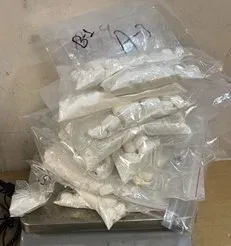
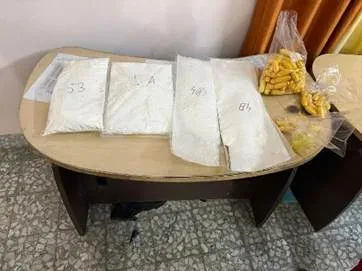
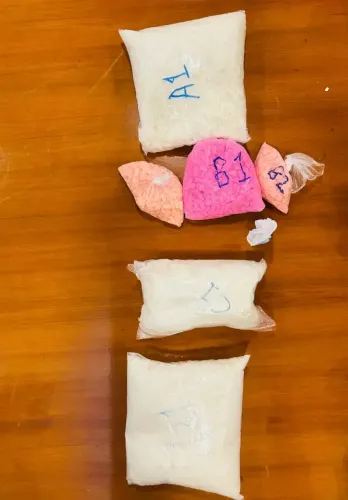
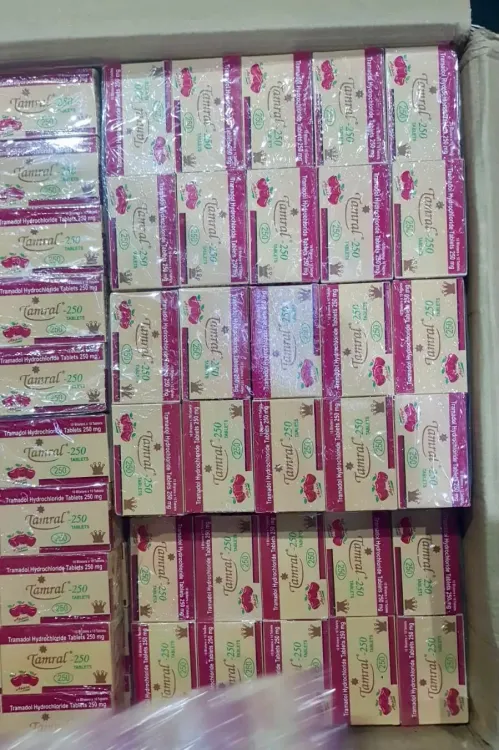
2 lakh tablets were seized — 1 lakh Tramadol Hydrochloride (250 mg) and 1 lakh Tapentadol (200 mg) — weighing approximately 45 kg in total.
The consignment was intercepted at the Mumbai Air Cargo Complex on 2 August , falsely declared as Pregabalin capsules, and was destined for Nigeria .
Three accused were arrested: the IEC holder/exporter, the supplier-cum-coordinator, and the clandestine manufacturer.
Tablet compression machinery and raw materials were seized from the Ambernath manufacturing facility.
Tramadol is a scheduled psychotropic substance under the NDPS Act, 1985 ; Tapentadol is regulated under the Drugs and Cosmetics Act .
The Directorate of Revenue Intelligence (DRI) dismantled a clandestine narcotic drug manufacturing network in Ambernath, Maharashtra, seizing 2 lakh tablets of controlled psychotropic substances and arresting three key accused who had allegedly attempted to smuggle the drugs to Nigeria, officials said on Monday, 10 August. The week-long intelligence-led operation foiled what authorities described as an organised transnational trafficking attempt.
How the Operation Unfolded
The case began on 2 August when DRI officers intercepted a suspicious export consignment at the Mumbai Air Cargo Complex bound for Nigeria. The shipment had been declared as containing Pregabalin capsules — 300 mg, but a detailed physical examination revealed a very different cargo concealed within.
Officers recovered 1 lakh Tramadol Hydrochloride tablets (250 mg, approximately 25 kg) and 1 lakh Tapentadol tablets (200 mg, approximately 20 kg) — both scheduled psychotropic substances — hidden inside the consignment. The tablets had been packed in plain cartons to obscure their identity and subsequently repacked in white gunny bags at a warehouse near the air cargo complex ahead of the attempted illegal export.
The Clandestine Factory in Ambernath
Follow-up searches conducted across multiple locations over the course of the week led investigators to a manufacturing facility in Ambernath. Searches at the site resulted in the seizure of tablet compression machinery along with substantial quantities of raw materials intended for the clandestine production of psychotropic substances.
According to the DRI statement, the Tramadol tablets were manufactured at this factory and transported to a warehouse near the Mumbai Air Cargo Complex, where they were prepared for illegal export. The entire supply chain — from manufacture to warehousing to attempted export — was reportedly coordinated by the arrested syndicate.
Three Key Accused Arrested
The operation culminated in the arrest of three individuals identified as central figures in the network: the Importer-Exporter Code (IEC) holder and exporter, the supplier-cum-coordinator, and the clandestine manufacturer of the Tramadol tablets. DRI said searches were carried out at locations linked to the exporter, manufacturer, supplier, transporter, and storage warehouse.
Legal Status of the Seized Substances
Tramadol has been notified as a psychotropic substance under the Narcotic Drugs and Psychotropic Substances (NDPS) Act, 1985, making its illicit manufacture and trafficking a serious criminal offence. Tapentadol, while not currently listed in the NDPS Act schedule, is strictly regulated under the Drugs and Cosmetics Act and its associated rules.
Both Tramadol and Tapentadol are synthetic opioid analgesics prescribed under medical supervision for moderate to severe pain management. Their significant abuse potential and risk of dependence place them under stringent regulatory oversight, the DRI noted.
Part of a Wider Crackdown
The DRI described this operation as part of its sustained campaign against the illicit manufacture and transnational trafficking of narcotic drugs and psychotropic substances. Authorities warned that the diversion and trafficking of such medicines pose a serious public health threat and are frequently linked to organised cross-border drug networks. Further investigations into the syndicate's wider connections remain ongoing.
Point of View
Packaging, false declaration, warehousing, and export — operating within Maharashtra's industrial belt and routing through one of India's busiest air cargo hubs. The Nigeria destination is a familiar corridor; West Africa has long been flagged as a transit and destination zone for diverted South Asian pharmaceuticals, particularly opioids. What is notable here is the mislabelling as Pregabalin, a less-scrutinised substance, suggesting the syndicate had working knowledge of customs risk-profiling. The DRI's ability to trace the consignment back to the factory in a single week points to credible prior intelligence — but it also raises the question of how many similar consignments cleared before this one was flagged.
NationPress
11 Aug 2026
Frequently Asked Questions
What did the DRI seize in the Ambernath drug bust?
The DRI seized 1 lakh Tramadol Hydrochloride tablets (250 mg) and 1 lakh Tapentadol tablets (200 mg) , totalling approximately 45 kg, along with tablet compression machinery and raw materials from a clandestine factory in Ambernath, Maharashtra.
How was the drug consignment discovered?
DRI officers intercepted an export consignment at the Mumbai Air Cargo Complex on 2 August that had been falsely declared as Pregabalin capsules. A detailed physical examination revealed the concealed Tramadol and Tapentadol tablets inside.
Who was arrested in the DRI operation?
Three individuals were arrested: the Importer-Exporter Code (IEC) holder and exporter, the supplier-cum-coordinator, and the clandestine manufacturer of the Tramadol tablets.
What is the legal status of Tramadol and Tapentadol in India?
Tramadol is a scheduled psychotropic substance under the Narcotic Drugs and Psychotropic Substances (NDPS) Act, 1985, making its illicit manufacture and trafficking a criminal offence. Tapentadol is not currently listed under the NDPS Act but is strictly regulated under the Drugs and Cosmetics Act.
Why are Tramadol and Tapentadol controlled substances?
Both are synthetic opioid analgesics used medically for moderate to severe pain, but they carry significant abuse potential and risk of dependence. Their illicit diversion is linked to organised transnational drug trafficking networks and poses a serious public health concern, according to DRI.