DRI Mumbai seizes 2.1 kg cocaine from woman flying in from Freetown
Synopsis
DRI officers cracked open the metallic handles of a woman's trolley bags at Mumbai airport and found 17 packets of cocaine — 2.128 kg worth ₹10.65 crore. The Freetown-Nairobi-Mumbai route flags a West Africa transit corridor, and this is just one piece of a sweep that has pulled in 26 kg of cocaine and 22 arrests across six Indian cities since last month.
Key Takeaways
DRI Mumbai arrested a female passenger at CSMIA on 5 July 2025 after recovering 2.128 kg of cocaine from her trolley bag handles.
The contraband, packed in 17 cylindrical packets , is valued at ₹10.65 crore in the illicit market.
The passenger had arrived from Freetown via Nairobi ; drugs were seized under the NDPS Act, 1985 .
In a related operation, the DRI also seized 2 kg of cocaine in Surat last month.
Cumulative DRI seizures since last month stand at approximately 26 kg of cocaine across Mumbai, Delhi, Jaipur, Patna, Kochi, and Ahmedabad .
22 persons arrested in total, including 14 foreign nationals , across the wider crackdown.
The Directorate of Revenue Intelligence (DRI), Mumbai Zonal Unit, intercepted a female passenger arriving from Freetown via Nairobi at Chhatrapati Shivaji Maharaj International Airport (CSMIA) on 5 July 2025, recovering 2.128 kg of cocaine valued at ₹10.65 crore in the illicit market. The arrest followed a targeted intelligence-led operation and is part of a broader DRI crackdown that has netted approximately 26 kg of cocaine across multiple cities since last month.
How the Drugs Were Concealed
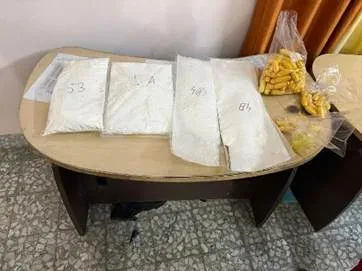
Acting on specific intelligence, DRI officers flagged the passenger's checked baggage for a detailed X-ray scan, which revealed anomalies inside the metallic handles of her trolley bags. When the handles were removed and cut open, officers found 17 cylindrical packets containing a white powdery substance.
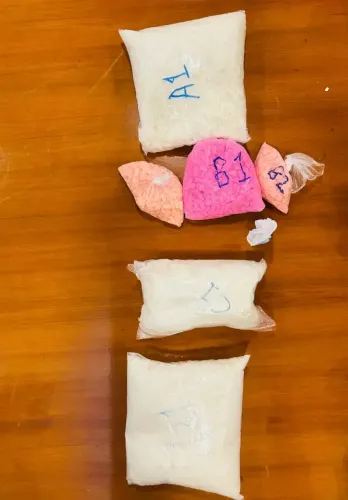
Field testing confirmed the substance as cocaine. The total net weight recovered was 2,128 grams. The passenger was placed under arrest following interrogation, and the seized contraband was booked under the Narcotic Drugs and Psychotropic Substances (NDPS) Act, 1985.
Part of a Wider Cocaine Crackdown
This seizure is not an isolated incident. In a separate operation, the DRI had earlier recovered 2 kg of cocaine in Surat, arresting one person. Cumulatively, the agency has seized roughly 26 kg of cocaine through a series of coordinated operations at airports, railway stations, courier terminals, and highways spanning Mumbai, Delhi, Jaipur, Patna, Kochi, and Ahmedabad.
Across these operations, 22 persons have been arrested, including 14 foreign nationals, according to official statements.
Trafficking Methods Used
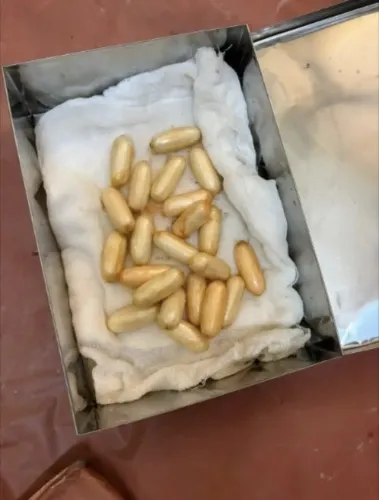
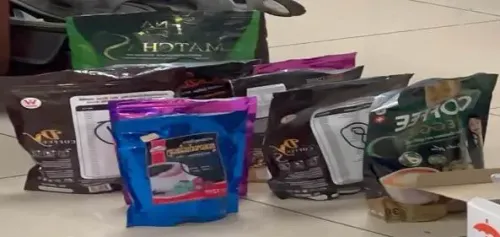
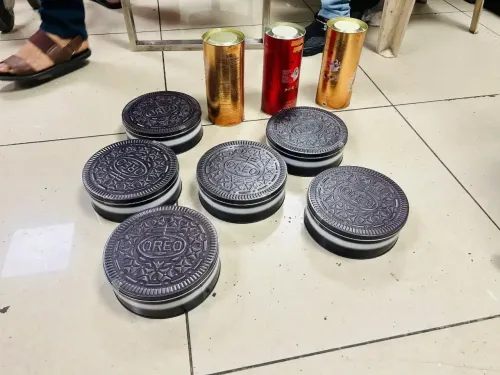
DRI officials noted that traffickers have employed a range of concealment techniques, including ingestion of drug-filled capsules or pellets, hiding narcotics inside household and edible items, soaking contraband in fabrics, and concealing it within baggage hardware — as seen in this case. The Freetown-Nairobi-Mumbai routing is consistent with known West Africa-to-South Asia cocaine transit corridors.
What Happens Next
The arrested passenger will face proceedings under the NDPS Act, which prescribes stringent penalties including rigorous imprisonment for commercial-quantity drug offences. The DRI's ongoing operations signal heightened surveillance at international entry points, and further arrests are likely as the agency pursues leads from the 22 persons already in custody.
Point of View
It tends to spread across courier networks before enforcement catches up. The Freetown-Nairobi-Mumbai routing points to an established West African transit corridor that Indian agencies have been monitoring, and the 14 foreign nationals among the 22 arrested suggest organised international supply chains rather than opportunistic mules. The headline seizure figure of 26 kg in a single month is significant, but the more telling metric is how many cases result in successful prosecution under the NDPS Act — conviction rates for commercial-quantity drug offences have historically lagged the volume of arrests. Whether DRI's intelligence sharing with customs and the NCB translates into dismantling supply networks, rather than just intercepting individual couriers, will determine the real impact of this crackdown.
NationPress
5 Oct 2026
Frequently Asked Questions
What did DRI seize at Mumbai airport on 5 July 2025?
DRI officers seized 2.128 kg of cocaine, valued at ₹10.65 crore in the illicit market, from a female passenger who had arrived from Freetown via Nairobi. The drugs were found concealed inside the metallic handles of her trolley bags, packed in 17 cylindrical packets.
How was the cocaine hidden in the passenger's luggage?
The cocaine was packed into 17 cylindrical packets and stuffed inside the hollow metallic handles of the passenger's trolley bags. An X-ray scan flagged the concealment, after which officers physically removed and cut open the handles to recover the contraband.
Under which law was the passenger arrested?
The passenger was arrested and the seized cocaine was booked under the Narcotic Drugs and Psychotropic Substances (NDPS) Act, 1985, which prescribes stringent penalties for commercial-quantity drug offences in India.
How much cocaine has DRI seized in total since last month?
According to official statements, DRI has cumulatively seized approximately 26 kg of cocaine since last month through operations at airports, railway stations, courier terminals, and highways across Mumbai, Delhi, Jaipur, Patna, Kochi, and Ahmedabad. A total of 22 persons, including 14 foreign nationals, have been arrested.
What trafficking methods did the DRI identify in these operations?
DRI officials identified multiple concealment techniques, including ingestion of drug-filled capsules or pellets, hiding narcotics in household and edible items, soaking contraband in fabrics, and concealing drugs within baggage hardware such as trolley handles, as seen in the Mumbai airport case.