PM Modi on Vijayadashami: Unite against enemies of India's honour and harmony
Synopsis
On Vijayadashami, PM Modi used the festival's symbolism of good over evil to issue a pointed call: all parties and institutions must unite against forces he said undermine India's honour, culture, and social harmony. Drawing a direct line from Lord Ram's ideals to the consecrated Ram temple's 'Ram to Rashtra' vision, the speech frames cultural pride and national integrity as one — and sets the political tone ahead of upcoming elections.
Key Takeaways
PM Modi addressed a gathering on Vijayadashami, 20 October , calling for unity against forces harming India's honour, social harmony, and cultural heritage.
Modi quoted ancient seers: 'All political parties, all institutes to be united against enemies.' He invoked Lord Ram's life as a model — truth, compassion, and dharma through adversity — and cited Ram Rajya as the benchmark of just governance.
The Prime Minister reiterated the 'Ram to Rashtra, Dev to Desh' vision from the Pran Pratishtha ceremony at Ayodhya's Ram temple .
No individuals or groups were named explicitly; division and cultural hostility were described as direct threats to the nation's foundations.
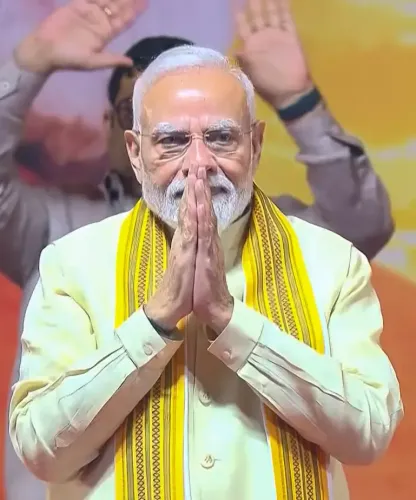
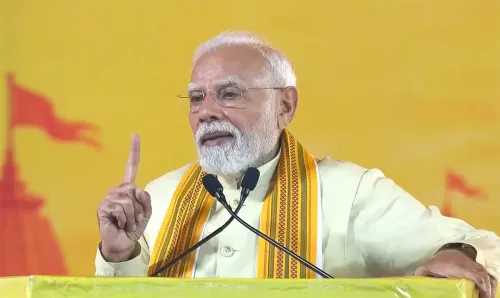
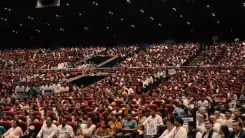
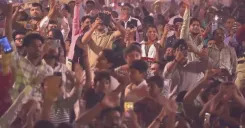
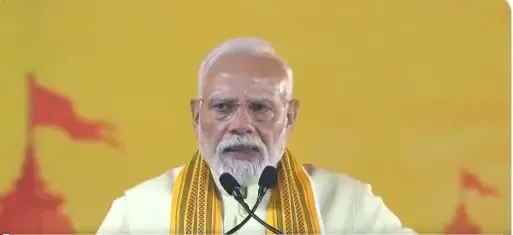
Prime Minister Narendra Modi on Vijayadashami, Tuesday 20 October, issued a strong call for national unity against forces that he said undermine India's honour, dignity, social harmony, and cultural heritage. Addressing a gathering in New Delhi, Modi identified those who harm the country's prestige, sow division, and nurture hatred toward its culture as the 'true enemies of the nation.'
The Core Message
The Prime Minister drew directly on India's ancient wisdom to make his appeal. 'Our ancient seers taught us — all political parties, all institutes to be united against enemies,' Modi said, framing collective resolve as a civilisational imperative rather than a partisan one. He urged citizens to recognise and confront the adversaries of 'Maa Bharati' (Mother India), casting national integrity as inseparable from cultural pride and social cohesion.
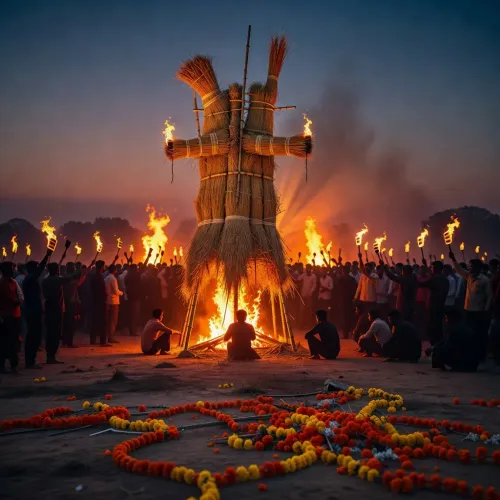
The timing was deliberate — Vijayadashami, which celebrates the triumph of good over evil, provided the symbolic backdrop for a call to renewed national solidarity.
Lord Ram as the Model of Governance
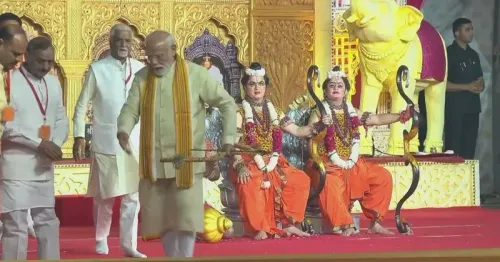
Modi opened his address with salutations to Lord Ram, Mother Janaki, and Bajrang Bali (Lord Hanuman), extending greetings to all citizens on the occasion. He observed that every corner of India was filled with the spirit of Lord Ram, with Ramlilas being staged in villages and cities across the country — performances he said keep Ram's ideals alive and 'proclaim the end of tyranny while affirming the triumph of eternal truth over falsehood.'
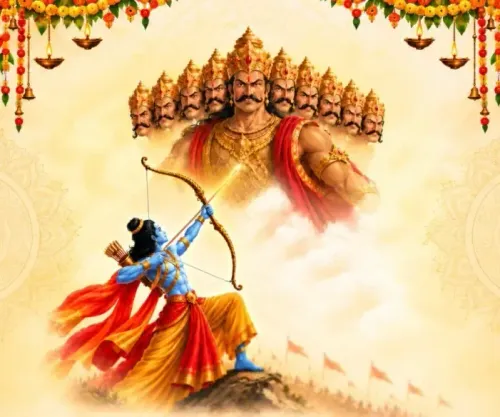
The Prime Minister emphasised that India's faith in Lord Ram spans thousands of years and is rooted not merely in the defeat of Ravana but in the 'unparalleled ideals Lord Ram offered to humanity.' 'Lord Ram faced so many difficulties in his life, but he never left the path of truth and policy,' Modi said. He recalled that Lord Ram showed neither joy at gaining the throne nor sorrow at exile, and upheld dharma through every crisis — embracing Nishadraj and honouring Mother Shabari in the forest as acts of compassion, kindness, and harmony.
Modi held up Ram Rajya — Lord Ram's rule upon returning to Ayodhya — as the enduring benchmark of good governance: free of discrimination and ensuring justice and equal opportunity for all.
From Ram to Rashtra: The Ayodhya Vision
The Prime Minister reiterated the vision articulated during the 'Pran Pratishtha' (consecration) ceremony at the Ram temple in Ayodhya — a journey from 'Ram' (the Divine) to the 'Rashtra' (the Nation)' and from the 'Dev' (the Deity) to the 'Desh' (the Country).' He expressed confidence that this transformative journey would be fulfilled if the people remained united in purpose.
The Broader Political Framing
Modi's remarks on Vijayadashami follow a pattern of the festival being used to underline political and cultural messaging by successive governments and organisations. This year, his address was notably direct in framing social division and cultural hostility not merely as social problems but as direct threats to the nation's foundations. Critics and opposition voices are likely to scrutinise the framing, particularly the call for unity of 'all political parties' against unnamed enemies — a formulation that opposition leaders have in the past argued is used to conflate dissent with anti-nationalism. The Prime Minister, however, did not name any individual or group explicitly.
What Comes Next
The speech sets the cultural and political tone heading into a period that includes several state assembly elections and the run-up to the next parliamentary session. Observers will watch whether the 'Ram to Rashtra' framework is amplified in subsequent BJP communications and whether opposition parties respond formally to the call for cross-party unity against 'enemies of the nation.'
Point of View
First launched at the Ayodhya consecration, is being institutionalised as a governing philosophy — one that tethers national identity tightly to a specific religious and civilisational narrative. The call for 'all political parties' to unite against unnamed enemies is a rhetorical device that is difficult to argue against publicly, yet equally difficult to operationalise — it leaves the definition of 'enemy' entirely with the speaker. With state elections approaching, the timing ensures the speech does double duty: cultural consolidation and electoral priming, both wrapped in the festival's moral authority.
NationPress
20 Oct 2026
Frequently Asked Questions
What did PM Modi say on Vijayadashami 2026?
PM Modi on Vijayadashami, 20 October 2026, called for national unity against forces he described as enemies of India's honour, social harmony, and cultural heritage. He invoked ancient seers and Lord Ram's life as guiding ideals, and reiterated the 'Ram to Rashtra' vision from the Ayodhya Ram temple consecration.
What is the 'Ram to Rashtra' vision Modi referenced?
It is a framework articulated during the Pran Pratishtha (consecration) ceremony at the Ram temple in Ayodhya, charting a path from 'Ram' (the Divine) to the 'Rashtra' (the Nation) and from the 'Dev' (the Deity) to the 'Desh' (the Country). Modi expressed confidence the vision would be realised through national unity.
Who did Modi identify as enemies of India?
Modi did not name any specific individual or group. He described the 'enemies' as those who harm India's prestige, sow division in society, and nurture hatred toward its culture — framing them as adversaries of 'Maa Bharati' (Mother India).
Why is Vijayadashami significant for this kind of speech?
Vijayadashami commemorates Lord Ram's victory over Ravana, symbolising the triumph of good over evil — a narrative that lends moral weight to calls for national resolve and unity. Modi explicitly used this symbolism to frame social division and cultural hostility as contemporary manifestations of the same conflict.
What was Modi's governance message on Dussehra?
Modi held up Ram Rajya — Lord Ram's rule after returning to Ayodhya — as the ideal of good governance: free of discrimination and ensuring justice and equal opportunity for all. He also praised Ramlila performances across the country for keeping Lord Ram's ideals alive.