PM Modi invokes Lord Ram at Dussehra, calls for self-reliance and Viksit Bharat
Synopsis
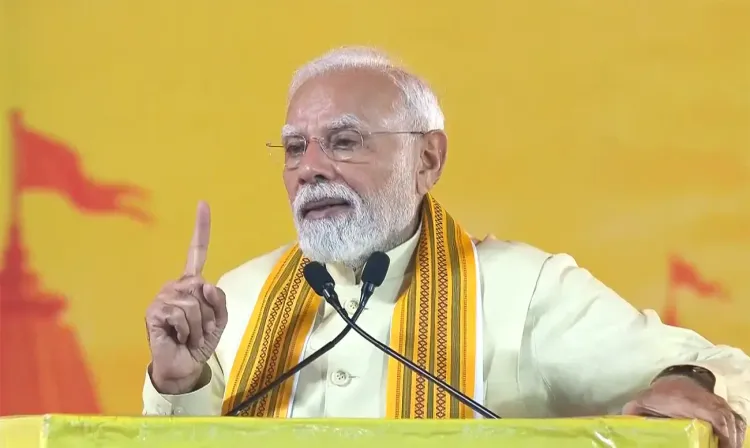
At the IP Extension Dussehra ground in East Delhi, Modi turned Vijayadashami into a policy platform — weaving Lord Ram's example into a call for Aatmanirbhar Bharat, citing 650 repatriated idols as proof of civilisational reclamation, and invoking 'Nagrik Devo Bhava' to anchor inclusive governance in cultural tradition.
Key Takeaways
PM Modi addressed Dussehra celebrations at IP Extension Utsav Ground, East Delhi on 20 October 2026 .
He invoked Lord Ram's example to urge Indians toward self-reliance, hard work, and national determination.
Modi stressed the principle of 'Nagrik Devo Bhava' , calling service to the poor and underprivileged the highest national priority.
650 idols have been repatriated to India over the past 12 years , Modi noted, framing it as cultural reclamation.
The address linked the Vijayadashami spirit to the government's Viksit Bharat and Aatmanirbhar Bharat goals.
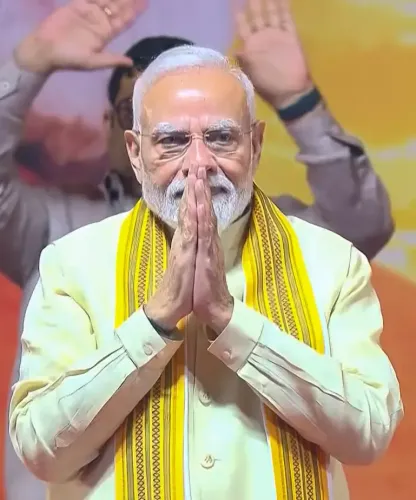
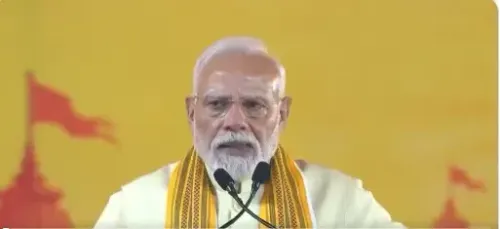
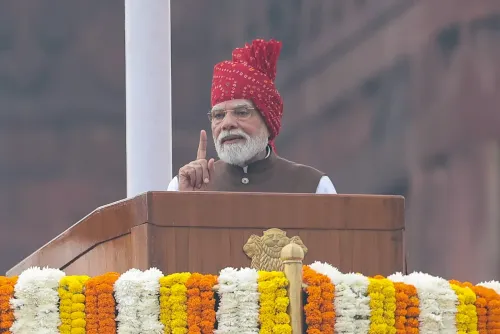
Prime Minister Narendra Modi on Tuesday, 20 October 2026, invoked the ideals of Lord Ram to call on Indians to embrace self-reliance, hard work, and national determination, speaking at the Dussehra celebrations organised by the Shri Ramlila Committee Indraprastha at IP Extension Utsav Ground in East Delhi. The address, delivered on Vijayadashami, wove cultural symbolism tightly with contemporary policy goals, including the vision of a Viksit Bharat (developed India).
The Core Message: Self-Belief Over Dependence
Anchoring his remarks in the life of Lord Ram, Modi urged citizens to confront adversity with inner resolve rather than reliance on external support. 'No matter how big the crisis or how difficult the challenge, we must not sit back and depend on others. We must recognise our own strength, trust our resources, turn our resolve into strength and find solutions through our hard work,' he said.
He added that Lord Ram demonstrated that hardship cannot obstruct a determined journey, and argued the same principle must animate India's national ambitions today. 'Today, we must move forward with the same mantra. We have the goal of building a developed India and achieving self-reliance,' Modi stated.
Citizens as Pillars: 'Nagrik Devo Bhava'
Modi stressed the principle of 'Nagrik Devo Bhava' — positioning citizens, especially the poor and underprivileged, as the highest priority of governance. He called for identifying and defeating what he described as the enemies of 'Maa Bharti', framing inclusive service as a moral and national duty rooted in the ideals of Ram Rajya.
Cultural Heritage and Repatriation of Artefacts
The Prime Minister highlighted what he called the historical plunder of India's cultural heritage, noting that artefacts and idols were taken to foreign nations over centuries. He pointed out that 650 idols have been repatriated to India over the past 12 years, presenting this as evidence of a sustained national effort to reclaim civilisational identity.
Rituals and Earlier Greetings
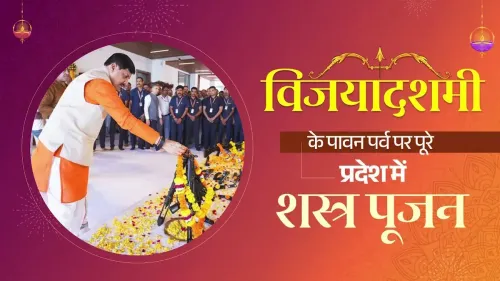
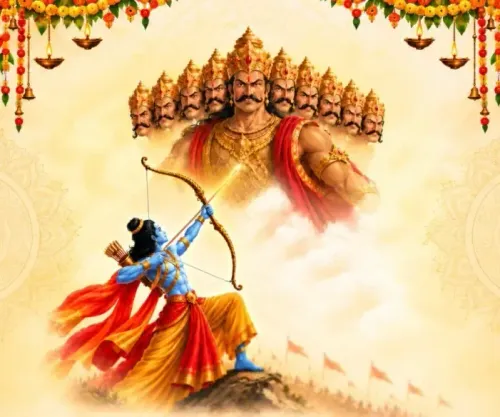
Before delivering his address, Modi performed traditional rituals at the venue and presided over the symbolic burning of Ravana's effigy, a centrepiece of Dussehra observances across India. Earlier in the day, he had extended written greetings for the festival, expressing hope that Vijayadashami would fill every resolve with renewed strength and enrich lives with happiness, prosperity, and success.
What It Signals
Modi's Dussehra address is consistent with a pattern of using major cultural occasions to reinforce his government's flagship policy narratives — Aatmanirbhar Bharat (self-reliant India) and inclusive development. This comes amid ongoing national conversations about manufacturing growth, welfare delivery, and India's civilisational resurgence. The speech's dual register — spiritual and political — reflects an approach that has defined his public communication since 2014.
Point of View
Civilisational metaphor, policy pivot — but the 650-idol repatriation figure is the most concrete claim and deserves scrutiny: the number has been cited before, and independent verification of what qualifies as 'repatriated' has been inconsistent across government statements. The 'Nagrik Devo Bhava' framing is notable because it reorients a devotional idiom toward governance accountability, but without measurable welfare benchmarks attached, it risks remaining rhetorical. The real question Vijayadashami raises every year is whether the Aatmanirbhar Bharat narrative is shifting India's economic fundamentals — or serving primarily as a mobilising symbol.
NationPress
20 Oct 2026
Frequently Asked Questions
What did PM Modi say at the Dussehra celebrations in East Delhi?
PM Modi invoked the life of Lord Ram to urge Indians to rely on their own strength, hard work, and resolve to overcome challenges, linking this message to the goal of building a self-reliant and developed India. He also cited the repatriation of 650 idols and stressed the principle of 'Nagrik Devo Bhava'.
Where did PM Modi attend Dussehra 2026?
PM Modi attended the Dussehra celebrations organised by the Shri Ramlila Committee Indraprastha at IP Extension Utsav Ground in East Delhi on 20 October 2026. He performed traditional rituals and presided over the burning of Ravana's effigy at the venue.
What is the significance of 'Nagrik Devo Bhava' as mentioned by Modi?
'Nagrik Devo Bhava' is a principle Modi invoked to assert that citizens — especially the poor and underprivileged — must be treated as the highest priority of governance, akin to a deity. It frames public service as a moral and cultural duty rooted in the ideals of Ram Rajya.
How many idols has India repatriated, according to PM Modi?
PM Modi stated that 650 idols, which had been taken to foreign countries historically, have been brought back to India over the past 12 years. He presented this as part of a broader effort to reclaim India's cultural and civilisational heritage.
How does Modi's Dussehra speech connect to Aatmanirbhar Bharat?
Modi explicitly linked the Vijayadashami spirit of Lord Ram — self-belief, resolve, and independent action — to his government's Aatmanirbhar Bharat (self-reliant India) and Viksit Bharat (developed India) policy goals. The speech is consistent with his pattern of using major cultural occasions to reinforce flagship national narratives.