E20 petrol safe to use, says Ministry of Petroleum after nationwide quality audit
Synopsis
After media reports flagged moisture and chloride concerns in E20 petrol, India's petroleum ministry struck back with data: over 100 refinery samples all at or below 1 ppm chloride, and daily outlet testing ramped up to 12 times a day. The government's swift audit is as much about protecting the ethanol-blending programme's credibility as it is about fuel safety.
Key Takeaways
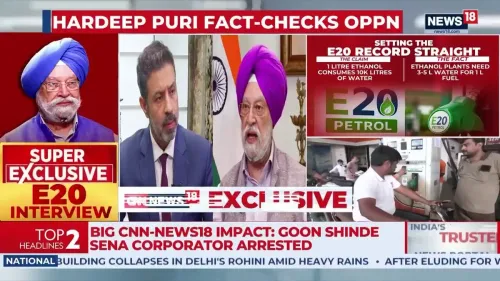
The Ministry of Petroleum and Natural Gas on 8 August confirmed E20 petrol is safe and meets all prescribed quality specifications.
A nationwide intensive audit of the entire EBMS supply chain found no cause for alarm over fuel contamination.
Over 100 randomly selected refinery samples showed chloride content at or below 1 ppm — within safety limits.
OMCs are now conducting water-ingress and density tests 8–12 times daily at every retail outlet.
Mobile fuel quality testing laboratories have been deployed and results are being independently validated through dedicated fuel labs.
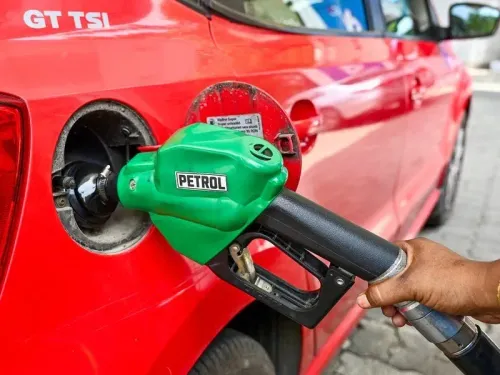
The Ministry of Petroleum and Natural Gas on 8 August urged consumers to continue using E20 petrol with full confidence, stating that fuel supplied through the Oil Marketing Companies (OMC) network meets all prescribed quality specifications and is backed by rigorous monitoring systems at every stage of the supply chain. The assurance follows a wave of media reports raising concerns over moisture and chloride levels in EBMS (E20 Petrol).
What the Nationwide Audit Found
In response to the media coverage, OMCs conducted a nationwide additional intensive testing exercise spanning the entire EBMS supply chain. The ministry said the findings were unambiguous: fuel quality remains consistently within prescribed limits. 'Contrary to certain assertions being made, based on extensive random testing through scientifically designed tests, the evidence shows that there is no cause for any alarm on account of fuel contamination,' the official statement read.
Notably, over 100 additional randomly selected petrol samples tested across various refineries confirmed that chloride content is consistently low, with all samples at or below 1 ppm — well within safety thresholds. The ministry said this reflects the continued effectiveness of quality controls built into India's refining and dispatch process.
Stepped-Up Surveillance Measures
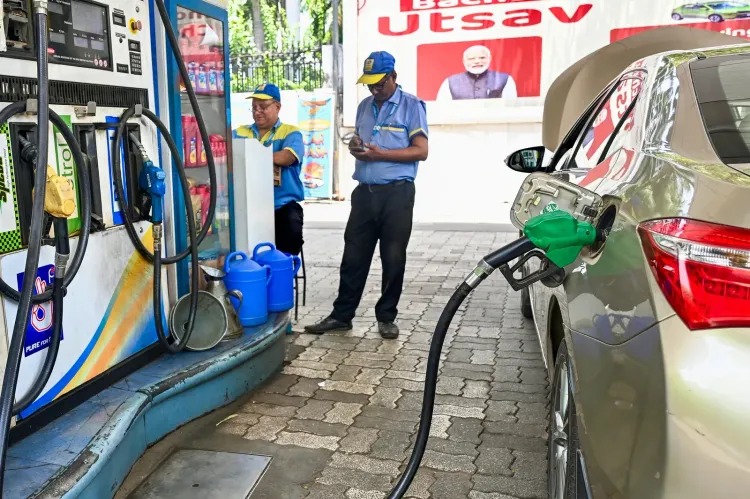
OMCs have significantly intensified their surveillance protocols in the wake of the controversy. Water-ingress and density tests are now being conducted 8 to 12 times daily at every retail outlet across the country. Mobile fuel quality testing laboratories have been deployed at multiple locations, and test results are being independently validated through dedicated fuel laboratories to ensure the highest standards of quality assurance.
'These multipronged stepped-up testing protocols across the supply chain have validated our highest fuel quality standards,' the ministry's statement said. Officials added that any issue potentially affecting vehicle performance or consumer confidence is addressed promptly through scientific investigation and corrective action.
Context: What Is E20 Petrol?
E20 petrol is a blended fuel containing 20% ethanol and 80% conventional petrol, part of India's broader National Biofuel Policy aimed at reducing import dependence and cutting carbon emissions. The fuel is supplied through OMCs including Indian Oil Corporation (IOC), Bharat Petroleum Corporation Limited (BPCL), and Hindustan Petroleum Corporation Limited (HPCL). Concerns about moisture ingress and chloride contamination in ethanol-blended fuels are not new globally, making the ministry's proactive audit response significant.
What Consumers and Vehicle Owners Should Know
The ministry has sought to reassure vehicle owners that E20 petrol poses no risk to engine performance when quality specifications are met. The OMC network's quality assurance systems are designed to catch deviations before fuel reaches the pump. With the government's ethanol-blending programme on an accelerated track — targeting higher blend ratios in coming years — maintaining consumer confidence in blended fuel quality is a policy priority as much as a technical one.
Point of View
And any sustained public doubt about E20 fuel quality could slow adoption at the pump — undermining both import-reduction targets and the rural sugarcane economy that benefits from ethanol procurement. What the statement does not address is the origin of the media reports: whether the moisture and chloride concerns were based on isolated incidents, rogue batches, or systematic gaps. Independent third-party verification — beyond OMC-run labs — would do more to restore confidence than official reassurances alone. The ramp-up to higher blend ratios in coming years makes getting this right now non-negotiable.
NationPress
22 Sept 2026
Frequently Asked Questions
Is E20 petrol safe to use in my vehicle?
Yes, according to the Ministry of Petroleum and Natural Gas. A nationwide audit of the EBMS supply chain confirmed that fuel quality remains well within prescribed limits, with no evidence of harmful contamination. The ministry has urged consumers to continue using E20 petrol with confidence.
What is E20 petrol and how is it different from regular petrol?
E20 petrol is a blended fuel comprising 20% ethanol and 80% conventional petrol. It is part of India's National Biofuel Policy aimed at reducing crude oil imports and lowering vehicular carbon emissions. It is supplied through OMCs including Indian Oil, BPCL, and HPCL.
What did the nationwide fuel quality audit find?
The audit found that chloride content across over 100 randomly selected refinery samples was at or below 1 ppm — well within safety thresholds. The ministry said findings 'reaffirm that fuel quality remains consistently well within prescribed limits.'
Why were there concerns about E20 petrol quality?
Recent media reports raised questions about moisture and chloride levels in EBMS (E20 Petrol). The ministry responded by ordering an additional intensive nationwide testing exercise across the entire supply chain, concluding there was no cause for alarm.
What steps have OMCs taken to strengthen fuel quality checks?
OMCs have increased water-ingress and density testing to 8–12 times daily at every retail outlet, deployed mobile fuel quality testing laboratories across locations, and are independently validating results through dedicated fuel laboratories.