Kishan Reddy champions E20 fuel as 20 cr two-wheelers go ethanol

Synopsis
Union Minister G. Kishan Reddy highlights that over 20 crore two-wheelers and 20 lakh four-wheelers are running on E20 ethanol-blended petrol with no issues, citing up to 30% lower carbon emissions and no insurance impact, as India advances its Atmanirbhar Bharat energy agenda.
Key Takeaways
More than 20 crore two-wheelers and nearly 20 lakh four-wheelers are running on E20 ethanol-blended petrol with no systematic issues, per Union Minister G.
E20 does not affect vehicle insurance coverage , the minister clarified, addressing a widespread owner concern.
The blended fuel can reduce carbon emissions by up to 30% and improves performance in modern vehicles.
India advanced its E20 blending target from 2030 to 2025 in 2021, after crossing the 10% blending milestone ahead of schedule.
The programme links to the Atmanirbhar Bharat push by cutting crude oil imports and supporting sugarcane farmer incomes.
Nationwide rollout of E20-designated pumps and regulatory clarity on vehicle warranties remain the key near-term challenges.
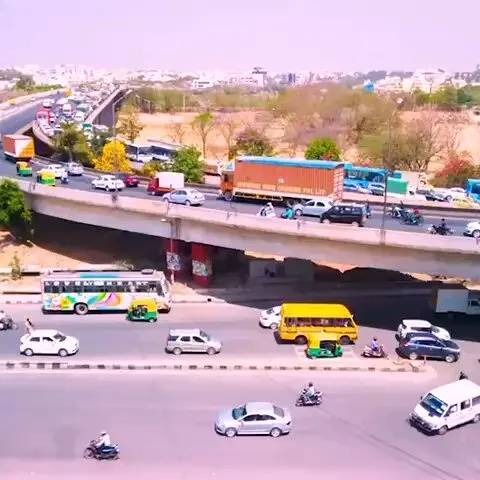
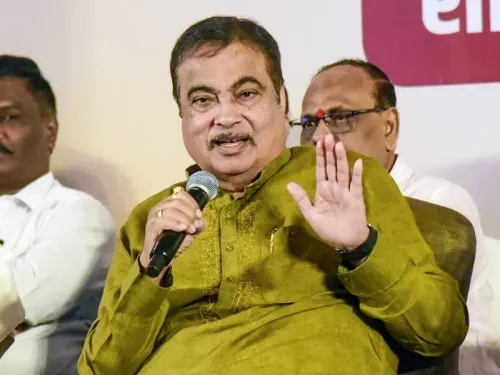
India's ethanol-blending ambition just got a headline number to match its momentum. Union Coal and Mines Minister G. Kishan Reddy on Friday, 31 July 2026, posted a sweeping defence of the E20 programme, citing that more than 20 crore two-wheelers and nearly 20 lakh four-wheelers are already running on ethanol-blended petrol — with zero systematic issues reported across the fleet.
What E20 actually means for the vehicles already on the road
The minister addressed two anxieties that have circulated among vehicle owners since E20 pumps began proliferating: insurance and performance. His post is unambiguous — 'E20 has no impact on insurance coverage' — and goes further, asserting that modern vehicles actually deliver smoother performance on the blended fuel. The carbon-emission claim is the headline figure: up to 30% reduction in tailpipe emissions compared with conventional petrol. That is the kind of number that reframes E20 from a niche green experiment into a mainstream climate tool.
From a 2030 deadline to a 2025 sprint — how India got here
The policy lineage behind this moment stretches back to the National Policy on Biofuels, 2018, which built the architecture for ethanol sourcing from sugarcane, maize and other feedstocks. The real acceleration came in 2021, when the government pulled the E20 target forward by five years — from 2030 to 2025 — after India crossed the 10% blending milestone ahead of schedule. That compressed timeline forced oil marketing companies and fuel-station networks to scale up fast, and the vehicle numbers Kishan Reddy cites suggest the demand side has kept pace.
Three beneficiaries, one blended litre
The E20 story is really three stories braided together. For vehicle owners, it promises lower running costs and cleaner engines. For sugarcane farmers, ethanol procurement creates a guaranteed industrial demand that stabilises their income beyond the volatile sugar market. And for the national exchequer, every litre of domestic ethanol that displaces imported crude is a direct saving on the foreign-exchange bill — a core logic of the Atmanirbhar Bharat energy push that the minister invoked with the phrase 'self-reliant India.'
The unfinished map: E20 pump rollout and what comes after 20%
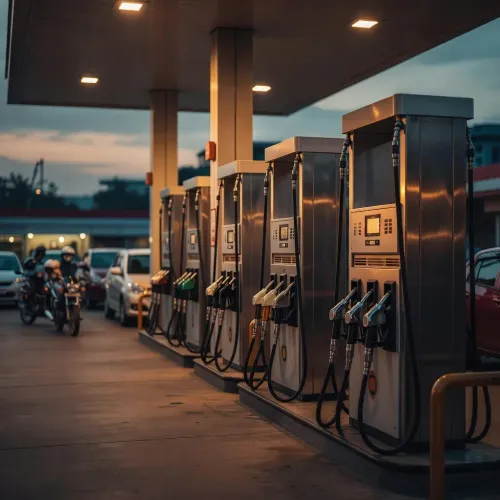
The watch item now is infrastructure reach. Nationwide availability of E20-designated pumps remains uneven, and any regulatory clarity on vehicle warranties — particularly for older two-wheelers — will determine how confidently the remaining fleet makes the switch. Longer term, the programme's own logic points toward blends beyond 20%, a conversation that is already beginning in policy circles even as E20 itself is still being normalised at the pump.
India has turned the ethanol tap on — the next test is whether the pipeline is wide enough for every road in the country.
Point of View
Not supply, is now the main friction in E20 adoption. Framing the vehicle count at 20 crore is a classic milestone-communication move: it signals irreversibility, making the programme feel like a fait accompli rather than a pilot. The Atmanirbhar Bharat linkage keeps E20 tethered to the ruling party's signature economic narrative, blending energy security with agricultural welfare into a single political dividend. The unresolved question of pump availability and older-vehicle compatibility means the hardest phase of the rollout — reaching the last mile — is still ahead.
NationPress
14 Sept 2026
Frequently Asked Questions
What is E20 fuel and how does it work?
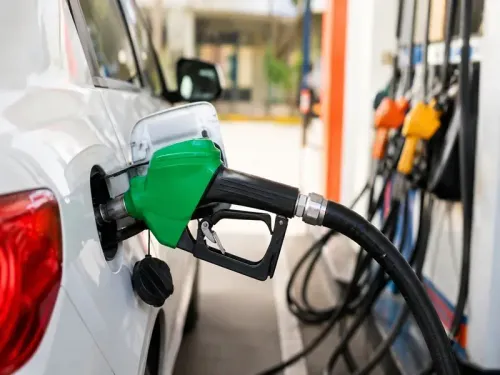
E20 is petrol blended with 20% ethanol , a biofuel derived primarily from sugarcane and maize. It burns more cleanly than conventional petrol and reduces dependence on imported crude oil. India's government has mandated its rollout under the National Policy on Biofuels.
Does E20 fuel affect my vehicle's insurance?
According to Union Minister G. Kishan Reddy, E20 has no impact on insurance coverage for vehicles. Owners running their two-wheelers or four-wheelers on E20-blended petrol should not face any insurance-related complications.
How many vehicles in India are running on E20 fuel?
The minister stated that more than 20 crore two-wheelers and nearly 20 lakh four-wheelers are already running on ethanol-blended petrol over the past two and a half years without any systematic issues.
How much can E20 fuel reduce carbon emissions?
E20 can reduce carbon emissions by up to 30% compared to conventional petrol, according to the government's claims for modern vehicles using the blended fuel.
When did India set the E20 ethanol blending target?
India originally targeted 20% ethanol blending by 2030 under the National Policy on Biofuels 2018, but accelerated the deadline to 2025 in 2021 after crossing the 10% blending milestone ahead of schedule.