Why is the Election Commission Alarmed by the Low BLO to BLA Ratio in West Bengal?
Synopsis
The Election Commission's shock over the low BLO to BLA ratio in West Bengal raises questions about political engagement. With only 18,114 BLAs for 80,681 BLOs, the upcoming special intensive revision of electoral rolls faces significant challenges. What does this mean for electoral transparency and participation in the state?
Key Takeaways
Election Commission expresses concern over low BLO to BLA ratio.
Only 18,114 BLAs appointed against 80,681 BLOs.
Need for political parties to engage more in the electoral process.
Special Intensive Revision (SIR) process begins on November 4.
Last revision occurred in 2002, highlighting the importance of this event.
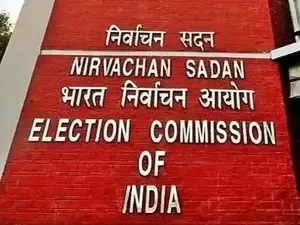
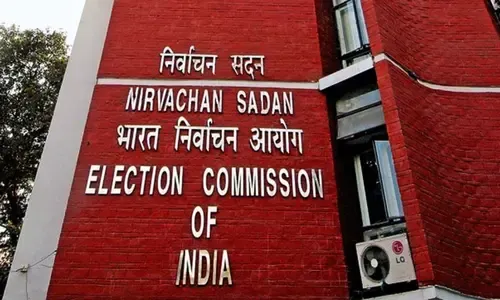
Kolkata, Oct 31 (NationPress) The Election Commission of India (ECI) has shown astonishment at the remarkably low ratio of booth-level officers (BLOs) appointed by the commission compared to booth-level agents (BLAs) designated by political parties in West Bengal, during the ongoing special intensive revision (SIR) of the electoral rolls in the state.
Currently, the total number of BLOs appointed by the ECI in West Bengal is 80,681, a figure that appears satisfactory given the state's 7.66 crore voters. In stark contrast, the existing number of BLAs is merely 18,114, highlighting a significant hesitance among political entities to engage agents for this essential task.
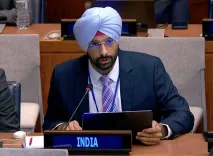
During an all-party meeting held on October 28, West Bengal’s Chief Electoral Officer (CEO) Manoj Kumar Agarwal reportedly raised concerns regarding this deficit, urging party representatives to appoint BLAs in sufficient numbers to guarantee a transparent and effective revision process. He also assured that BLOs would maintain ongoing communication with BLAs from all recognized parties during the SIR.
"With the current BLO-to-BLA ratio in West Bengal being so low, the regular interaction between BLOs and BLAs will be severely affected. Therefore, the commission is urging political parties to take urgent measures to appoint an adequate number of BLAs," stated an insider from the CEO's office.
Reports indicate that the CEO’s office has also instructed district magistrates, who act as district election officers, to emphasize the importance of nominating enough BLAs to political parties during upcoming district-level all-party meetings.
Earlier this week, Chief Election Commissioner Gyanesh Kumar announced the SIR for 12 Indian states, including West Bengal. The first stage of the three-phase SIR is set to commence on November 4.
During the initial phase, BLOs will conduct door-to-door visits using enumeration forms to gather voter details, after which a draft voters’ list will be published.
In the second phase, political parties and individual voters will have the chance to submit objections or suggestions concerning the draft rolls, which will be evaluated by the commission.
In the final phase, Electoral Registration Officers (EROs) will address these concerns and implement necessary corrections before releasing the definitive electoral rolls.
The entire SIR process is anticipated to conclude by March 2026 at the latest. The last such revision in West Bengal was conducted in 2002.
src/pgh
Point of View
The stark discrepancy between booth-level officers and agents in West Bengal raises significant red flags. A robust electoral process requires active participation from political parties. As the nation looks towards upcoming elections, it is imperative that all stakeholders engage proactively to ensure transparency and fairness.
NationPress
10 Oct 2026
Frequently Asked Questions
What is the BLO to BLA ratio?
The BLO to BLA ratio refers to the number of booth-level officers (BLOs) appointed by the Election Commission compared to the booth-level agents (BLAs) nominated by political parties.
Why is the low ratio concerning?
A low BLO to BLA ratio can hinder effective communication and transparency during the electoral roll revision process, potentially impacting the integrity of elections.
What actions is the Election Commission taking?
The Election Commission is urging political parties to appoint more BLAs and has directed district magistrates to emphasize this need during meetings.
When does the special intensive revision begin?
The special intensive revision (SIR) process is set to commence on November 4, with multiple phases planned to ensure comprehensive voter registration.
When was the last electoral roll revision in West Bengal?
The last electoral roll revision in West Bengal took place in 2002, making this upcoming revision particularly significant.