ECI letter tests NCP's constitutional compliance under Sunetra Pawar

Synopsis
The Election Commission's 27 July letter to the NCP is more than a paperwork reminder — it is a potential legal liability. With the Sharad Pawar faction's Supreme Court challenge still live, gaps in the documentation of six constitutional amendments could hand opponents a procedural weapon at the worst possible moment for Sunetra Pawar's leadership.
Key Takeaways
The Election Commission of India issued a letter dated 27 July flagging incomplete documentation for amendments to NCP Articles 6, 7, 12, 18, 32, and 36 .
NCP National Secretary Sachidanand Singh formally challenged the election procedures and validity of the constitutional amendments before the ECI.
The NCP's national convention on 26 February elected Sunetra Pawar as national president, but supporting resolutions for most amended articles are reportedly missing or incomplete.
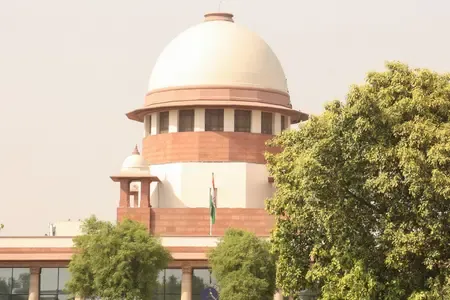
The Supreme Court is already hearing a legal battle between the Sunetra Pawar -led NCP and the rival faction headed by Sharad Pawar .
NCP spokesperson Umesh Patil called the ECI letter routine; party insiders say a three-pronged compliance and legal strategy is being prepared.
The Election Commission of India (ECI) has issued a formal communication to the Nationalist Congress Party (NCP) raising concerns about internal organisational procedures and constitutional amendments, presenting a significant governance test for party president and Maharashtra Deputy Chief Minister Sunetra Pawar. The letter, dated 27 July, flags incomplete documentation supporting amendments to key articles of the NCP's party constitution and unanswered procedural challenges to its internal structure.
What the ECI Letter Flags
The ECI's directive centres on significant modifications made to Articles 6, 7, 12, 18, 32, and 36 of the NCP constitution. These provisions collectively govern membership rules and cadre enrolment, the structural organisation of state executive committees, disciplinary and suspension powers vested in party leadership, and the utilisation of official party funds.
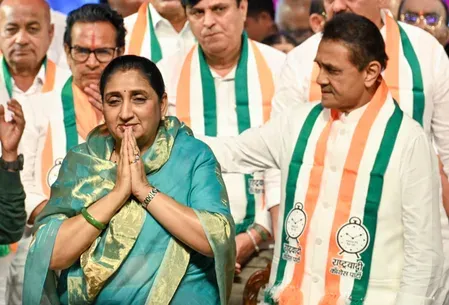
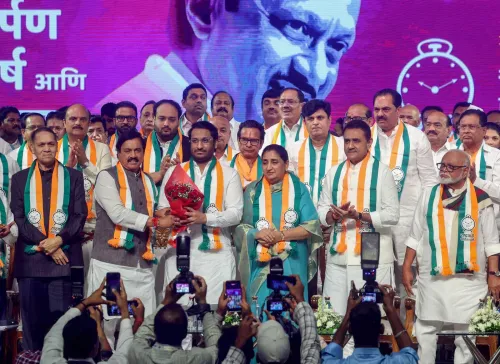
While records from the party's national convention on 26 February — during which Sunetra Pawar was elected national president following the departure of Ajit Pawar — reflect an amendment to Article 18(1), the poll body noted that formal resolutions and supporting documentation for changes to the remaining articles were either missing or incomplete.
The Challenge That Triggered the Review
The regulatory scrutiny follows a formal objection filed with the ECI by NCP National Secretary Sachidanand Singh, who raised concerns about election procedures and the validity of the constitutional amendments. Legal experts warn that procedural lapses, if left unaddressed, could carry consequences well beyond internal party management.
This comes amid a broader legal battle between rival factions — the NCP under Sunetra Pawar and the opposition faction led by Sharad Pawar — which remains pending before the Supreme Court. The ECI had previously recognised the Ajit Pawar-led faction as the official NCP and allotted it the traditional 'Clock' symbol on the basis of legislative majority.
Legal Stakes and Political Consequences
According to political observers, 'failing to validate constitutional modifications through ratified resolutions could expose fundamental party decisions — such as candidate nominations, committee appointments, and financial allocations — to severe legal challenges.' Any flaw in formalising the party presidency or validating its constitution could provide opposition factions and internal dissenters critical leverage in the ongoing Supreme Court proceedings.
Notably, this is not merely a procedural dispute — it touches the legitimacy of decisions taken since the faction split, including leadership transitions and financial governance.
NCP's Response and Three-Pronged Strategy
NCP chief spokesperson Umesh Patil, in a video statement, downplayed the ECI communication, describing it as a routine compliance exchange between the electoral body and registered political parties. Patil maintained that the party is preparing a detailed response and dismissed reports of internal friction, asserting that the party hierarchy remains fully united.
Party insiders, however, indicate the leadership is preparing a more structured three-pronged approach: compiling and submitting a comprehensive resolution package covering every amended clause — Articles 6, 7, 12, 32, and 36 — to satisfy the ECI's checklist; engaging with dissenting office-bearers to resolve procedural grievances internally before they escalate into formal litigation; and ensuring all internal governance records and transition protocols are legally airtight so as not to weaken the party's position in sub judice matters.
What Comes Next
Political analysts view the ECI's letter as an organisational discipline test for the NCP under its current leadership. The party's response to the commission — and how it manages internal dissent in parallel — is expected to shape both its regulatory standing and its legal position in the Supreme Court battle. How swiftly and comprehensively the party addresses the documentation gaps will determine whether this remains a procedural matter or escalates into a more consequential constitutional crisis within the party.
Point of View
But the substance is harder to dismiss: missing resolutions for five of six amended articles is not a clerical oversight, it is a governance gap. If the party cannot demonstrate clean documentation of its own constitutional changes, every major decision taken under the new leadership structure — nominations, appointments, fund disbursements — becomes contestable. The three-pronged strategy insiders describe sounds comprehensive; execution under judicial and electoral scrutiny simultaneously is the real test.
NationPress
18 Sept 2026
Frequently Asked Questions
What does the ECI's letter to the NCP say?
The ECI's letter, dated 27 July, raises concerns about missing or incomplete formal resolutions supporting amendments to key articles of the NCP constitution — specifically Articles 6, 7, 12, 32, and 36 — which govern membership, state executive structure, disciplinary powers, and party funds. The commission has sought documentation and compliance from the party.
Why does the ECI letter matter for the NCP's Supreme Court case?
The NCP is currently embroiled in a legal dispute between the Sunetra Pawar-led faction and the Sharad Pawar faction, which is pending before the Supreme Court. Legal experts warn that procedural gaps in validating constitutional amendments could give the opposition faction leverage in those proceedings, potentially challenging the legitimacy of leadership decisions and party actions taken since the split.
Who challenged the NCP's constitutional amendments before the ECI?
NCP National Secretary Sachidanand Singh filed a formal challenge with the Election Commission, raising objections about the election procedures used at the national convention and questioning the validity of the constitutional amendments adopted there.
How has the NCP responded to the ECI's communication?
NCP chief spokesperson Umesh Patil described the letter as a routine compliance check and said the party is preparing a detailed response. Party insiders indicate a three-pronged strategy is underway: submitting a comprehensive resolution package, resolving internal grievances, and ensuring governance records are legally airtight.
What is the background to the NCP's current leadership structure?
The ECI previously recognised the Ajit Pawar-led faction as the official NCP and allotted it the 'Clock' symbol based on legislative majority. Sunetra Pawar was subsequently elected national president at the party's national convention on 26 February. The rival faction, led by Sharad Pawar, continues to contest the split in the Supreme Court.