Sunetra Pawar's NCP president election legal, no party rift: Tatkare
Synopsis
A legal notice demanding Sunetra Pawar's NCP presidential election be declared void has exposed a communication breakdown that party leaders publicly deny but insiders privately confirm. With Ajit Pawar's absence still reshaping the organisation, the dispute — dismissed as 'baseless' by Tatkare — reveals deeper fault lines over process, power, and who really controls the party's post-Ajit future.
Key Takeaways
Sunil Tatkare declared the election of Sunetra Pawar as NCP National President fully legal and constitutionally compliant on 14 July .
Former national secretary Sachchidanand Singh served a legal notice on 9 July to Pawar, Praful Patel , and Brijmohan Shrivastav , demanding the election be declared void.
Shrivastav , dropped as General Secretary on 29 April 2026 , said Singh's legal objection is 'legally valid' and cited a 'complete lack of communication' within the party.
Patel acknowledged internal structural reforms are needed following Ajit Pawar 's passing but distanced himself from the legal challenge.
Party insiders characterise the notice as an isolated grievance, maintaining the NCP remains unified behind Pawar's leadership.
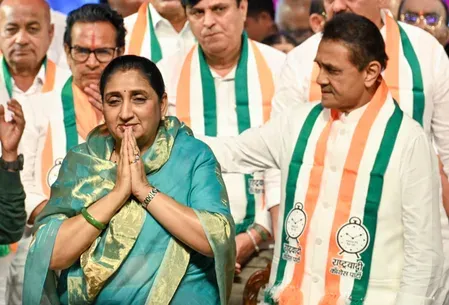
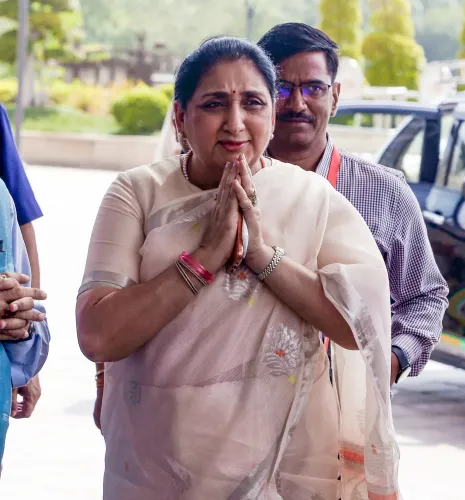
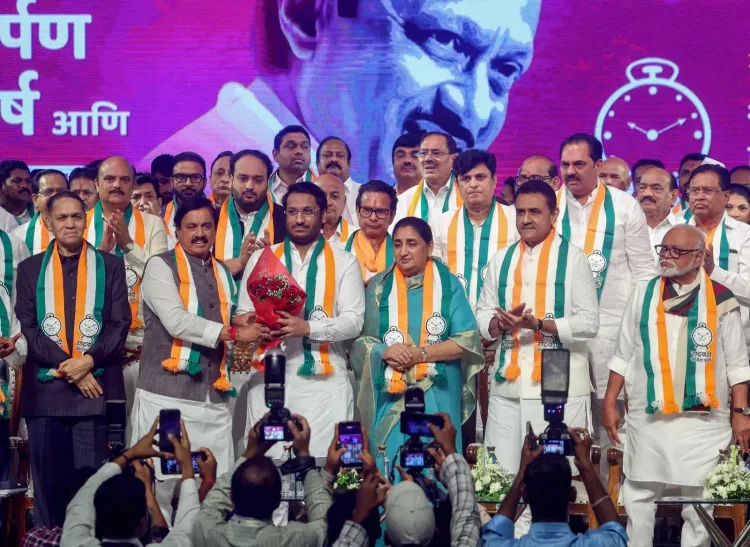
Maharashtra NCP chief Sunil Tatkare on Tuesday, 14 July firmly rejected allegations of an internal split within the party, asserting that the election of Sunetra Pawar as the party's national president was conducted in full compliance with organisational bylaws and the party constitution. His remarks came in response to a legal notice served by former national secretary Sachchidanand Singh demanding the election be declared illegal and void.
What the Legal Notice Alleges
Singh served a comprehensive legal notice on 9 July to the party's top leadership — including National President Sunetra Pawar, National Working President Praful Patel, and National General Secretary Brijmohan Shrivastav, who also serves as the Nodal Officer to the Election Commission of India (ECI). The notice demands the entire election process be declared illegal, non-est, and void.
According to party records dated 17 February 2026, it was agreed that Patel would temporarily officiate as National President following the passing of Ajit Pawar. Singh, however, alleged that proper constitutional protocols were swiftly abandoned. He stated that Shrivastav, acting independently as General Secretary, passed a resolution on 18 February 2026 calling for a National Convention and initiating the election process — without following due constitutional procedure.
Party Leadership Pushes Back
Tatkare dismissed the allegations as entirely baseless, maintaining they were aimed at creating 'artificial friction where none exists.' He said the party would examine the notice and respond through proper legal channels, but asserted the charges carry no merit.
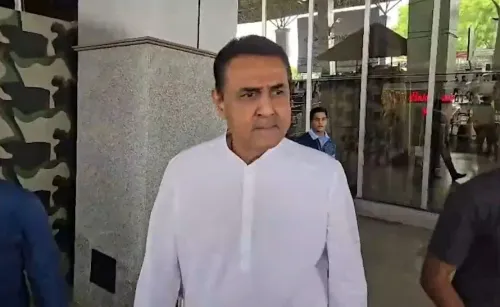
Rajya Sabha leader Praful Patel echoed this position, stating that all senior leaders continue to sit with Pawar to discuss political matters. Patel said he has 'absolutely no connection' with the notice and that Pawar's selection was 'completely in line with the party's rules.' He did, however, acknowledge that internal structural reforms are necessary to fill the organisational vacuum left by Ajit Pawar's demise — though he was careful to separate this view from the legal challenge.
A Dissenting Voice from Within
Notably, Brijmohan Shrivastav — who was dropped from his position as General Secretary during the reconstitution of the national executive council and national working committee on 29 April 2026 — offered a starkly different assessment. While maintaining that no one opposes Pawar's leadership, Shrivastav said Singh's objection regarding the election process is 'legally valid.'
Shrivastav attributed the growing unrest to a 'complete lack of communication' within the party since Ajit Pawar's passing. He claimed that the disconnect extends not just to grassroots workers but to the topmost leadership, including between Pawar, Tatkare, and Patel themselves. 'Running an organisation is not that simple; it requires constant dialogue,' he said, adding that new inductees into the executive committee appear to believe 'everything runs on autopilot.'
The Shadow of Ajit Pawar's Absence
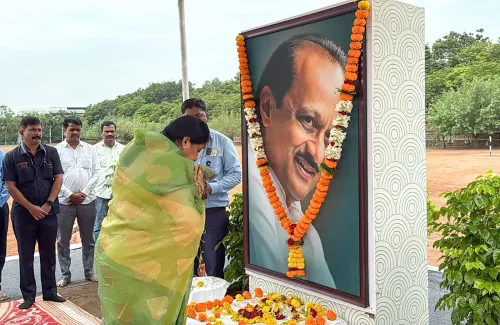
Multiple voices within the party — including Patel and Shrivastav — acknowledged that Ajit Pawar's demise has left a significant void. Patel remarked on Monday that while it is difficult to fill that vacuum, the party must take corrective steps to remain relevant in both state and national politics. Shrivastav described Ajit Pawar's management of the party and government as 'extraordinary and incomparable,' and warned that multiple shortcomings have surfaced at various levels since his departure.
Party insiders, however, maintain that the NCP leadership views Singh's notice as an isolated grievance rather than a systemic challenge, and that the organisation remains unified behind Pawar. How the party navigates this legal and organisational test will signal its cohesion ahead of upcoming electoral cycles.
Point of View
Election was legal' — is undercut by Shrivastav's admission that the legal objection has merit and that communication among the top three leaders has effectively broken down. That a recently dropped office-bearer is the one validating the challenger's concerns is not a footnote; it is the story. Ajit Pawar's absence has removed the one figure capable of managing factional tension through sheer authority, and no structural substitute has emerged. The party faces a classic post-strongman problem: the institution was built around a person, not a process, and that gap is now visible in a legal notice.
NationPress
13 Oct 2026
Frequently Asked Questions
What is the legal notice against Sunetra Pawar's NCP election about?
Former NCP national secretary Sachchidanand Singh served a legal notice on 9 July demanding that Sunetra Pawar's election as National President be declared illegal and void, alleging that proper constitutional protocols were bypassed when General Secretary Brijmohan Shrivastav independently called a National Convention on 18 February 2026 without following due procedure.
How has the NCP leadership responded to the legal challenge?
Maharashtra NCP chief Sunil Tatkare dismissed the allegations as baseless and said the party will respond through proper legal channels. Rajya Sabha leader Praful Patel also denied any rift, stating Pawar's election was fully in line with party rules.
Who is Brijmohan Shrivastav and why does his position matter?
Brijmohan Shrivastav is the former NCP National General Secretary who was dropped from his post during the reconstitution of the national executive council on 29 April 2026. Unlike other senior leaders, he has said Singh's legal objection is 'legally valid' and flagged a serious communication breakdown within the party.
What role did Ajit Pawar's passing play in this dispute?
Ajit Pawar's demise created an organisational vacuum that multiple leaders — including Patel and Shrivastav — have acknowledged. Party records from 17 February 2026 show Patel was to temporarily officiate as National President, but Singh alleges the subsequent election process deviated from constitutional norms.
What happens next in this NCP dispute?
The NCP has said it will respond to Singh's legal notice through appropriate legal channels. Internally, leaders including Patel have indicated that structural reforms are needed, though no formal timeline has been announced. How the party resolves the procedural challenge will be closely watched ahead of future electoral cycles.