Praful Patel, Sunil Tatkare reclaim NCP clout amid Pawar family power play
Synopsis
A quiet but consequential power struggle inside the NCP ended with veterans Praful Patel and Sunil Tatkare firmly back on top. The Pawar family's attempt to centralise control unravelled when the duo leveraged Rajya Sabha nominations, a state council win, and a pointed visit to Sharad Pawar — reminding everyone that party machinery, alliance value, and BJP connections still run through the veterans, not the family.
Key Takeaways
Praful Patel and Sunil Tatkare have reasserted authority within the NCP after a brief internal power struggle with the Pawar Gen-Next cohort.
On 29 April , Sunetra Pawar submitted a list to the Election Commission omitting the veterans' key designations — later attributed to a 'clerical error.' Aniket Tatkare was elected unopposed to the Maharashtra Legislative Council after Shiv Sena withdrew its nominee.
Rajendra Jain , Patel's closest ally, secured the Rajya Sabha nomination, bypassing aspirants including Chhagan Bhujbal .
A high-profile visit to Sharad Pawar by Tatkare, met with public praise from the senior leader, served as a pointed warning to the Sunetra-Parth camp.
The NCP has returned to a co-governance model ahead of the 2029 Lok Sabha and state assembly elections.
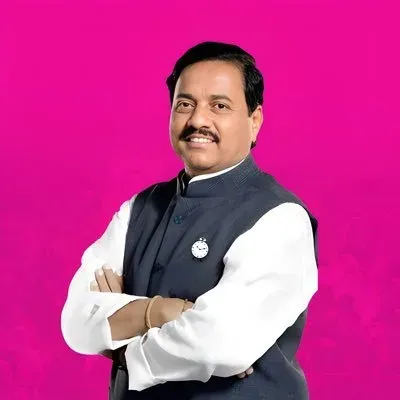
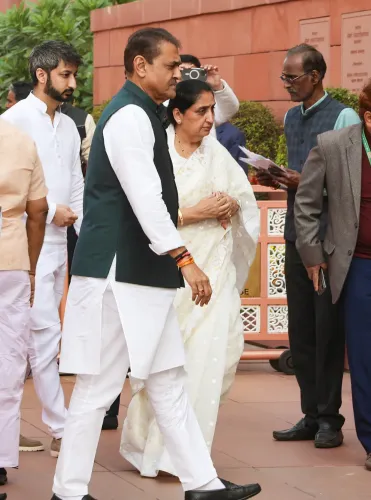
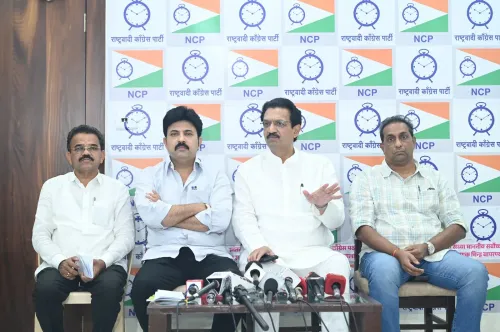
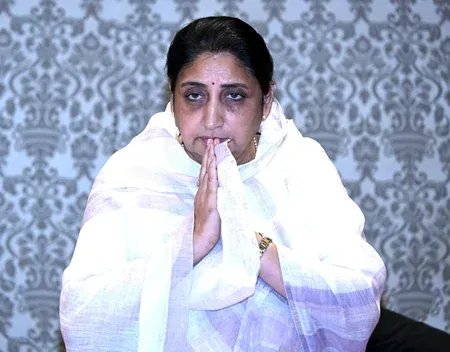
Praful Patel and Sunil Tatkare have firmly reasserted their authority within the Nationalist Congress Party (NCP) led by Sunetra Pawar, following a brief but sharp internal power struggle that threatened to marginalise the two veterans. The nomination of Rajendra Jain to the Rajya Sabha and the unopposed election of Aniket Tatkare to the Maharashtra Legislative Council have served as the clearest public confirmation of their restored standing, just ahead of the party's 27th anniversary on 10 June.
How the Power Struggle Unfolded
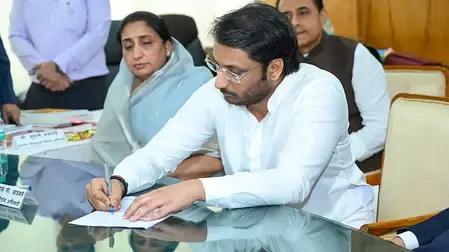
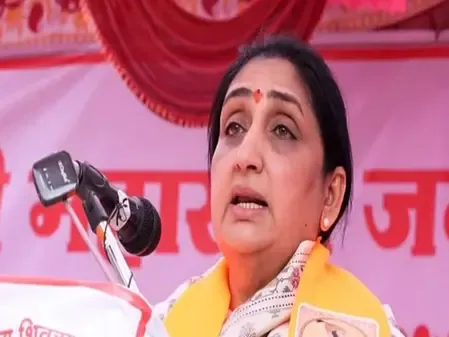
The internal rift surfaced on 29 April, when Sunetra Pawar submitted a list of national office-bearers to the Election Commission of India (ECI) that conspicuously excluded both Patel and Tatkare's key designations. While the two were inducted into the national working committee, their titles — national working president and Maharashtra unit chief, respectively — were absent. The party instead listed Patel as the NCP's leader in the Rajya Sabha and Tatkare as its leader in the Lok Sabha.
The omission was widely read as a deliberate attempt by the 'Pawar Gen-Next' cohort — centred on Parth Pawar and Sunetra Pawar — to consolidate decision-making within a tight familial orbit, particularly following the passing of Ajit Pawar. The party was subsequently forced to walk back the move, with a spokesman attributing the missing designations to a 'clerical error.'
Institutional Counter-Moves by the Veterans
The veteran duo responded with a series of calculated institutional manoeuvres. Sunil Tatkare secured the NCP's nomination for his son Aniket Tatkare from the Raigad-Ratnagiri-Sindhudurg local government constituency, reportedly with tacit backing from Chief Minister Devendra Fadnavis and Deputy Chief Minister Eknath Shinde. Aniket was elected unopposed after Shiv Sena withdrew its candidate.
On the Rajya Sabha front, Patel secured the nomination for Rajendra Jain — described by insiders as his closest confidant and the party's organisational anchor in Eastern Vidarbha — for the seat vacated by Sunetra Pawar. Prominent aspirants, including senior leader Chhagan Bhujbal, were reportedly bypassed in the process. According to party insiders, the Jain nomination was less about parliamentary representation and more about affirming that political rewards within the NCP still require Patel's endorsement.
The Sharad Pawar Signal
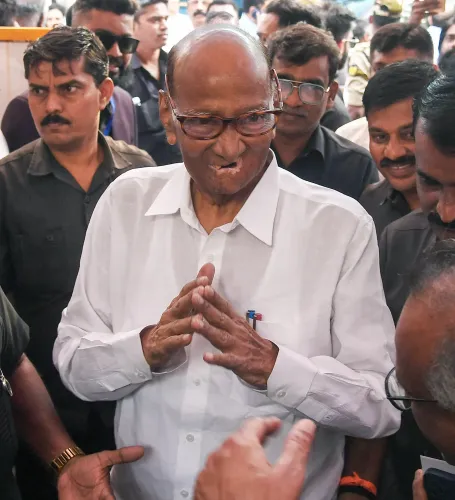
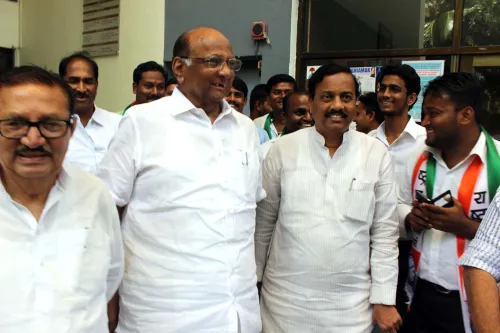
In a move widely interpreted as political theatre, Tatkare paid a high-profile visit to Sharad Pawar at his residence during the peak of the standoff, ostensibly to enquire about the senior leader's health. Sharad Pawar publicly praised the capabilities of both Patel and Tatkare, while subtly questioning the new leadership's political judgment. The episode was read as a warning to the Sunetra-Parth camp: push the veterans too hard, and they retain the leverage to reopen channels with the NCP (Sharadchandra Pawar) faction, threatening the family's core electoral base.
Alliance Value and the BJP Factor
A critical element in the veterans' leverage is their role as the NCP's primary bridge to the central Bharatiya Janata Party (BJP) leadership in New Delhi. With the next assembly elections on the horizon, the BJP requires experienced coalition negotiators within the Mahayuti alliance — a role that Patel and Tatkare are uniquely positioned to play. Reports also circulated, attributed to opposition figures including Rohit Pawar, that Patel, Tatkare, and as many as 22 MLAs could potentially merge with or contest on BJP tickets — a prospect that reportedly accelerated the Pawar family's recalibration.
Where the NCP Stands Now
Tatkare on Monday downplayed suggestions of sidelining, stating that he and Patel continue to play a major role in the party's consolidation under Sunetra Pawar's leadership. The NCP appears to have returned to a co-governance model, with the Pawar family providing electoral brand value and the veteran network supplying the legal, financial, and alliance architecture. As the party looks toward the 2029 Lok Sabha and state assembly elections, the balance of influence between the two camps will remain a defining fault line to watch.
Point of View
But Patel and Tatkare demonstrated that brand alone cannot run a party — you need the legal architecture, the alliance wiring, and the Delhi relationships. What mainstream coverage missed is the BJP's silent role: by signalling that the Mahayuti coalition needs experienced negotiators, the BJP effectively handed the veterans their most powerful leverage. The 'clerical error' retreat was not an administrative fix — it was a political capitulation, and everyone in Maharashtra politics knows it.
NationPress
26 Sept 2026
Frequently Asked Questions
What triggered the NCP power struggle between Praful Patel and the Pawar family?
The rift became public on 29 April when Sunetra Pawar submitted a list of national office-bearers to the Election Commission that omitted Praful Patel's and Sunil Tatkare's key designations. The move was widely seen as an attempt by the Pawar Gen-Next cohort — centred on Parth Pawar and Sunetra Pawar — to centralise party control after the passing of Ajit Pawar.
How did Praful Patel and Sunil Tatkare reassert their authority in the NCP?
The veterans secured two key institutional wins: Rajendra Jain, Patel's closest ally, was nominated to the Rajya Sabha, and Aniket Tatkare, Sunil Tatkare's son, was elected unopposed to the Maharashtra Legislative Council with reported backing from Chief Minister Devendra Fadnavis and Deputy Chief Minister Eknath Shinde.
What role did Sharad Pawar play in the NCP internal dispute?
Sharad Pawar publicly praised the capabilities of Patel and Tatkare after Tatkare paid a high-profile visit to his residence during the standoff. The gesture was widely interpreted as a warning to the Sunetra-Parth camp that pushing the veterans too hard could prompt them to reopen communication channels with the NCP (Sharadchandra Pawar) faction.
Why are Patel and Tatkare difficult for the NCP leadership to sideline?
The two veterans serve as the NCP's primary bridge to the central BJP leadership and are key negotiators within the Mahayuti alliance. With assembly elections approaching, their alliance value makes them indispensable — and reports that they and 22 MLAs could potentially move to the BJP reportedly accelerated the Pawar family's recalibration.
What does the NCP's internal resolution mean for the 2029 elections?
The NCP appears to have returned to a co-governance model, with the Pawar family providing electoral brand value and the veteran network managing the legal, financial, and alliance architecture. The balance between the two camps will remain a key fault line as the party prepares for the 2029 Lok Sabha and Maharashtra state assembly elections.