Supreme Court may visit NTA office, orders reform progress affidavit
Synopsis
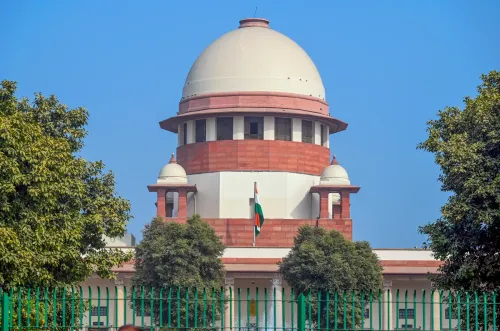
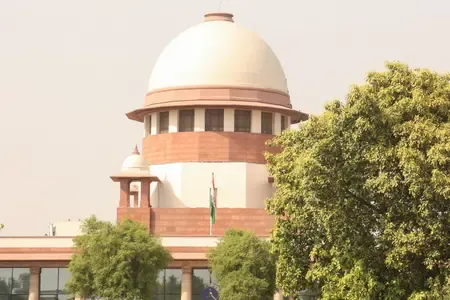
The Supreme Court did not just warn — it threatened to show up. Justices Narasimha and Aradhe said they may personally visit the NTA's Minto Road office to check if the system is actually working, escalating judicial pressure on an agency still under the cloud of the 2026 NEET paper leak controversy. Reform reports, the court signalled, are not enough.
Key Takeaways
Supreme Court Justices P.S.
Narasimha and Alok Aradhe said they may personally visit the NTA office at Minto Road, New Delhi to assess functioning.
The Bench directed the Joint Secretary of the High-Powered Task Force to file a reform-progress affidavit within two weeks .
NTA must upload the affidavit on its official website for public and student access.
Solicitor General Tushar Mehta informed the court that the Nandan Nilekani -led Task Force had consulted the K.
Radhakrishnan -headed HLCE.
The next hearing is scheduled for 9 October 2026 ; the case concerns structural reforms following the alleged 2026 NEET-UG paper leak .
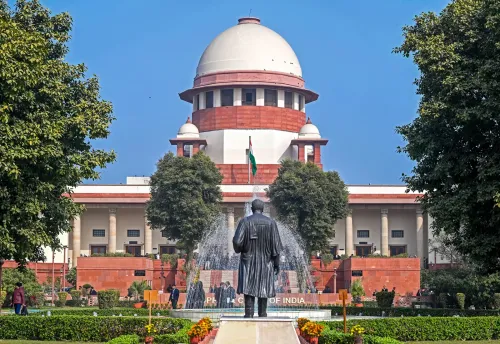
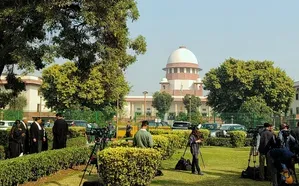
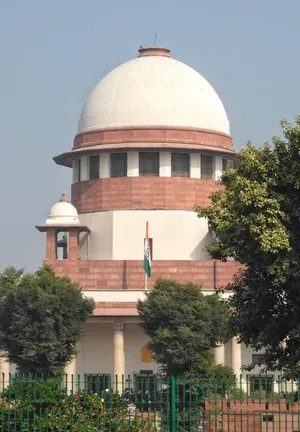
The Supreme Court on Friday, 18 September 2026 said it may physically visit the National Testing Agency (NTA) office at Minto Road, New Delhi to assess on the ground whether the examination-conducting system is functioning effectively. A Bench of Justices P.S. Narasimha and Alok Aradhe underscored that institutional reform recommendations must be implemented and not remain confined to reports.
Key Developments in Court
During the hearing, Solicitor General Tushar Mehta, appearing for the Centre, informed the court that a new High-Powered Task Force headed by Nandan Nilekani had extensively consulted the High-Level Committee of Experts (HLCE) headed by former ISRO Chairman K. Radhakrishnan. The Solicitor General sought time until the end of September to file an affidavit setting out the Task Force's report.
When the Bench asked whether the NTA now had a dedicated space for its operations, Mehta confirmed that the body had a separate permanent office at Minto Road. Justice Narasimha responded with a pointed oral remark: 'We will come there one day. Me and my brother to see if the system is working or not, the manpower, etc.'
What the Court Directed
The Bench directed the Joint Secretary coordinating with the High-Powered Task Force to file an affidavit detailing the progress made in implementing the proposed reforms within two weeks. The court also directed the NTA to upload this affidavit on its official website so that students and other stakeholders could examine the steps being taken. Stressing urgency, the Bench observed: 'Progression of the recommendations and its implementation is the most important.'
Background: NEET-UG Paper Leak Row
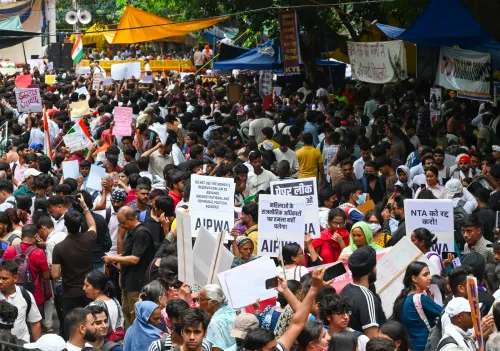
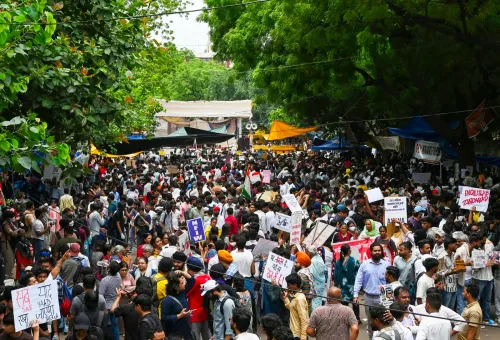
The proceedings stem from a clutch of petitions seeking structural reforms in the conduct of the NEET-UG examination and improvements in NTA's functioning, following the alleged 2026 paper leak controversy. The apex court had earlier said it would 'very closely monitor' the Centre's roadmap for institutional reforms and measures to prevent future paper leaks.
The court had previously sought a comprehensive affidavit addressing examination security protocols, cybersecurity safeguards, and the feasibility of shifting NEET to a computer-based testing (CBT) mode. It had also flagged that examination bodies could not continue operating through ad hoc arrangements, observing that 'ad hocism has troubled us for years'.
What Happens Next
The matter has been listed for further hearing on 9 October 2026. The NTA is expected to file the reform-progress affidavit within two weeks, and its publication on the agency's website will allow candidates — many of whom have been directly affected by examination irregularities — to track progress in real time. The prospect of a bench visit to the NTA office adds an unusual layer of judicial scrutiny to what has become one of the most closely watched education-governance cases in recent years.
Point of View
And the signal here is unmistakable: judicial patience with reform-as-paperwork is running out. What this case also exposes is a systemic failure of accountability architecture around high-stakes examinations. The Nilekani task force and the Radhakrishnan committee are credible names, but committees have preceded this controversy too. The real accountability gap is the absence of a statutory, independent examination regulator with enforceable standards — something neither the affidavits nor the task force has yet proposed. Until that structural gap is closed, NEET will remain one controversy away from another crisis.
NationPress
18 Sept 2026
Frequently Asked Questions
Why is the Supreme Court considering visiting the NTA office?
The Supreme Court said it may visit the NTA's Minto Road office in New Delhi to physically assess whether the examination-conducting system is functioning effectively, including its manpower and infrastructure. The remark came after the Bench stressed that reform recommendations must be implemented and not remain on paper.
What is the NTA paper leak case about?
The case involves petitions seeking structural reforms in the conduct of the NEET-UG examination following an alleged 2026 paper leak controversy. The Supreme Court has been closely monitoring the Centre's roadmap for institutional reforms, examination security protocols, and a possible shift to computer-based testing.
Who is heading the High-Powered Task Force on NTA reforms?
The High-Powered Task Force is headed by Nandan Nilekani , the co-founder of Infosys and architect of Aadhaar. It has reportedly consulted the High-Level Committee of Experts led by former ISRO Chairman K. Radhakrishnan .
What did the Supreme Court direct the NTA to do?
The court directed the Joint Secretary coordinating with the High-Powered Task Force to file an affidavit on reform progress within two weeks and asked the NTA to publish the affidavit on its official website so students and stakeholders can track developments.
When is the next hearing in the NTA reforms case?
The Supreme Court has listed the matter for further hearing on 9 October 2026 , by which time the reform-progress affidavit is expected to have been filed and made publicly available.