PM Modi monitoring NEET-UG 2026 row, Centre tells Supreme Court
Synopsis
The Centre's admission that PM Modi is personally watching the NEET-UG 2026 row signals the political heat around India's most contested medical entrance exam. But the Supreme Court's sharper message was directed at the NTA itself: without named duty-holders, no reform will stick — and the UPSC comparison was not a compliment, it was a benchmark the NTA has consistently failed to meet.
Key Takeaways
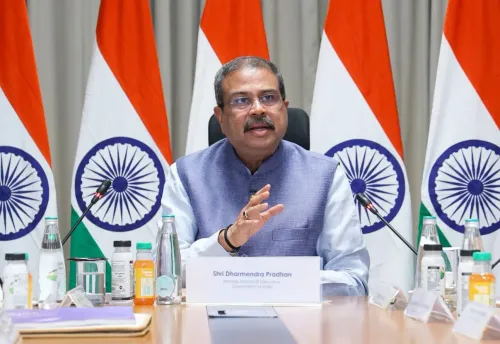
The Centre told the Supreme Court on 29 May that PM Narendra Modi is personally supervising the NEET-UG 2026 controversy.
Solicitor General Tushar Mehta submitted that the Union government is treating the issue with the 'utmost seriousness' given its impact on students.
Narasimha -led bench stressed that accountability must be fixed at the individual level, not left as a 'diffused obligation.' The court drew a direct comparison with the UPSC , urging the NTA to learn from institutions that have conducted large-scale exams without similar controversies.
The Ministry of Human Resource Development has been directed to file a comprehensive affidavit on strengthening NTA's capacity; the next hearing is in July .
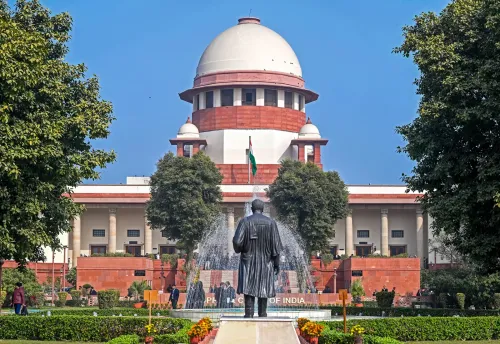
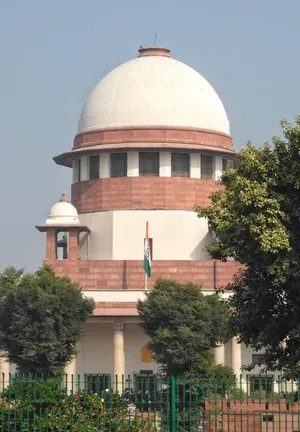
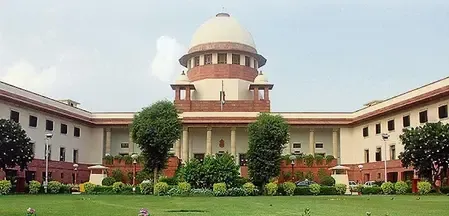
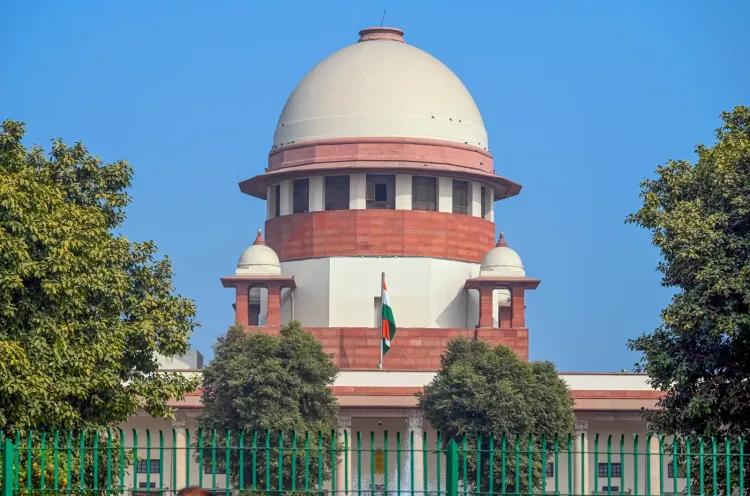
Prime Minister Narendra Modi is personally overseeing the fallout from the NEET-UG 2026 examination controversy, the Centre told the Supreme Court on Friday, 29 May, as the apex court pressed for individual accountability within the National Testing Agency (NTA) to end what it called a pattern of recurring lapses in national-level competitive examinations.
What the Centre Told the Court
Solicitor General Tushar Mehta, appearing for the Union government, assured the bench that the Centre was treating the matter with the highest seriousness given its direct impact on the country's youth. 'The Hon'ble Prime Minister is personally supervising this,' Mehta submitted, adding that safeguarding students' interests remained the government's foremost concern.
Supreme Court's Warning on Accountability
A bench of Justice P.S. Narasimha and Justice Alok Aradhe was hearing a batch of petitions demanding structural reforms in NEET-UG, including an immediate shift to computer-based testing (CBT). The bench made clear that systemic fixes would remain ineffective without pinpointing individual duty-holders. 'The real problem won't stop till actual accountability arises. Not in terms of so and so will be liable, it will be effective when we know which individual shoulders the responsibility. Unless you identify the duty holders it will be a diffused obligation,' Justice Narasimha observed.
Human Cost at the Centre of the Hearing
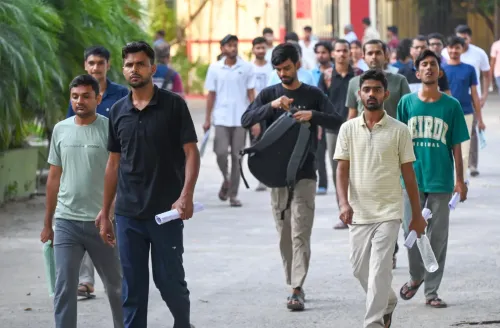
The court described the recurring examination controversies as 'traumatic' for students and their families, warning that the nation could not afford to repeatedly let down lakhs of aspirants. 'It is very traumatic if this is happening. We cannot disappoint our students. It is not merely the student, it's the family too. It is so much of emotions, love, time, years of study,' the bench said.
NTA Reform and the UPSC Benchmark
The bench criticised the NTA for functioning in an ad hoc manner, noting that institutional weakness — not individual failure alone — was at the root of repeated controversies. Drawing a pointed comparison, it held up the Union Public Service Commission (UPSC) as a model, remarking: 'UPSC has never been in such a situation, you need to learn.' The court also endorsed sustained collaboration with premier academic institutions, including the IITs, to improve examination management and security protocols.
Next Steps and Court Direction
The bench directed the Ministry of Human Resource Development — rather than the Union Health Ministry — to file a comprehensive affidavit detailing measures needed to strengthen the NTA's organisational capacity and human resources. 'The endeavour is to ensure that NTA would have the wherewithal, physical and intellectual, to ensure that no incident such as 2024/2026 examination occurs,' the court stated, posting the matter for further hearing in July.
Point of View
Suggesting that personnel changes and ministerial attention are not sufficient. The UPSC comparison is instructive but incomplete — UPSC conducts far fewer candidates and operates under a different constitutional mandate. The real question is whether the forthcoming HRD affidavit will propose structural reforms with teeth, or another round of committee recommendations that gather dust.
NationPress
13 Oct 2026
Frequently Asked Questions
Why is PM Modi personally monitoring the NEET-UG 2026 controversy?
The Centre told the Supreme Court on 29 May that PM Narendra Modi is personally supervising the situation because the issue directly impacts the country's youth. Solicitor General Tushar Mehta submitted that the Union government views the matter with the utmost seriousness.
What did the Supreme Court say about accountability in the NTA?
The Supreme Court said the problem of recurring exam lapses would not stop until individual duty-holders within the NTA are clearly identified. The bench observed that a 'diffused obligation' — where no specific person is held responsible — makes systemic reform ineffective.
What reforms are being sought in the NEET-UG examination?
A batch of petitions before the Supreme Court is seeking structural reforms including an immediate transition to computer-based testing (CBT) for NEET-UG. The court has also called for sustained collaboration with IITs and other academic institutions to improve examination security.
What has the Supreme Court directed the government to do next?
The bench directed the Ministry of Human Resource Development to file a comprehensive affidavit detailing measures to strengthen the NTA's organisational capacity and human resources. The matter has been posted for further hearing in July.
How does the NTA compare to the UPSC according to the Supreme Court?
The Supreme Court held up the UPSC as a benchmark, noting it has never faced controversies of the kind that have repeatedly plagued the NTA. The bench urged the NTA to study and adopt the institutional practices that have allowed the UPSC to conduct large-scale examinations reliably.