ECI schedules Maharashtra MLC elections for 16 seats, polling June 18
Synopsis
After years of vacancies — some stretching back to January 2022 — the ECI has finally scheduled Maharashtra's 16 long-pending MLC local body seat elections for 18 June. The real story is political: Mahayuti's dominance in recent municipal polls means this election could hand the Devendra Fadnavis government outright control of the upper house, reshaping Maharashtra's legislative arithmetic entirely.
Key Takeaways
The ECI announced biennial elections for 16 Maharashtra Legislative Council seats on 18 May 2025 .
Polling is scheduled for 18 June ; vote counting on 22 June ; election cycle closes 25 June .
Vacancies accumulated since January 2022 due to delays in local body elections that prevented the mandatory 75 per cent functionality threshold from being met.
The Model Code of Conduct is in immediate effect across all 16 constituencies, barring fresh policy announcements and transfers.
The ruling Mahayuti alliance holds a structural advantage, with BJP , Shiv Sena (Shinde) , and NCP (Ajit Pawar) dominating key municipal bodies.
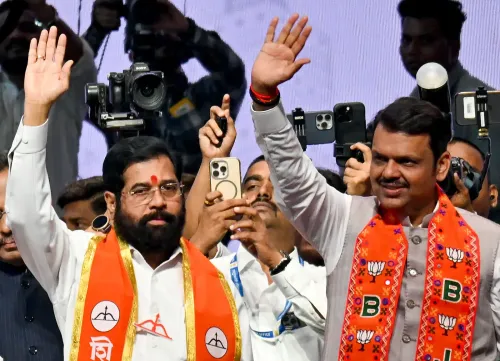
A Mahayuti sweep would give the Devendra Fadnavis -led government near-complete control of the Maharashtra upper house.
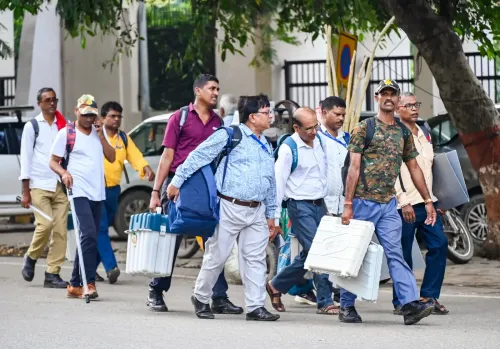
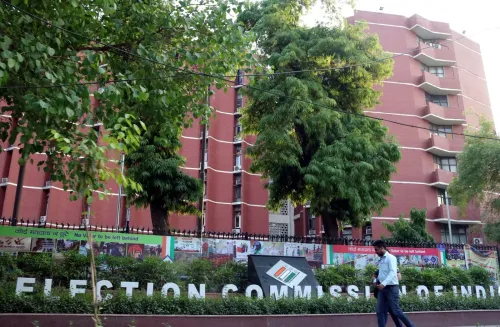
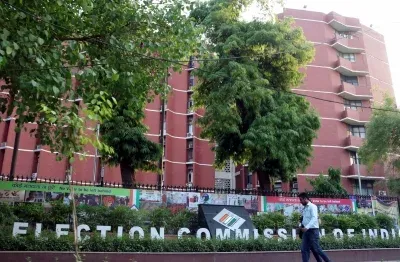
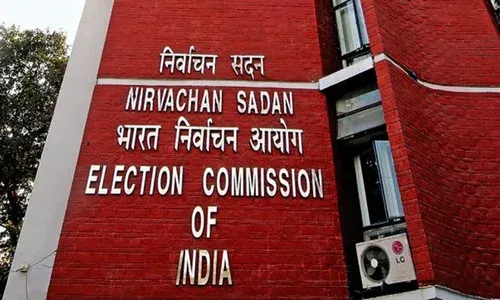
The Election Commission of India (ECI) on Monday, 18 May 2025, announced the schedule for long-delayed biennial elections to the Maharashtra Legislative Council (MLC) covering 16 Local Authorities' Constituencies. Polling is set for 18 June, with vote counting on 22 June, ending a vacancy crisis that has left several seats unrepresented since as far back as January 2022.
Key Dates and Electoral Timeline
The ECI has laid out a compressed schedule to complete the process before late June. The official notification will be issued on 25 May, with the last date for filing nominations on 1 June. Scrutiny of nominations is scheduled for 2 June, the last date for withdrawal of candidatures is 4 June, and the election cycle formally concludes on 25 June. The Model Code of Conduct (MCC) has come into immediate effect across all 16 affected constituencies.
Why These Seats Were Vacant So Long
Under standard ECI guidelines, elections to a Local Authorities' constituency can only be held if at least 75 per cent of the local bodies within that constituency are actively functioning and at least 75 per cent of the registered electors within those bodies are in position. Prolonged delays in holding local body elections — covering municipal corporations, municipal councils, and zilla parishads — across Maharashtra meant these thresholds were not met for years.
The Chief Electoral Officer (CEO) of Maharashtra recently informed the Commission that all 16 constituencies have now crossed both the functionality and elector thresholds, clearing the path for elections to resume. The 16 seats and the members whose terms expired span constituencies including Solapur, Ahmednagar, Thane, Jalgaon, Sangli-cum-Satara, Nanded, Yavatmal, Pune, Bhandara-cum-Gondia, Raigad-cum-Ratnagiri-cum-Sindhudurg, Nashik, Wardha-cum-Chandrapur-cum-Gadchiroli, Amravati, Osmanabad-cum-Latur-cum-Beed, Parbhani-cum-Hingoli, and Aurangabad-cum-Jalna. Retirement dates range from January 2022 to August 2025.
Mahayuti Alliance Positioned to Dominate
The sweeping mandate secured by the ruling Mahayuti alliance — comprising the Bharatiya Janata Party (BJP), Eknath Shinde's Shiv Sena, and Ajit Pawar's Nationalist Congress Party (NCP) — in recent local self-government elections has dramatically shifted the balance of power heading into these council polls. Major constituencies such as Pune, Thane, Nashik, Sangli-Satara, and Yavatmal are now heavily dominated by ruling alliance councillors.
The BJP, having consolidated control over municipal corporations in Pune and Solapur, expects to claim a significant share of these 16 seats. Eknath Shinde's Shiv Sena, backed by a strong performance in the Thane Municipal Corporation and parts of the Mumbai Metropolitan Region, is reportedly pressing for seats in its regional strongholds of Thane-Palghar and Raigad-Ratnagiri-Sindhudurg. With 10 newly sworn-in members — including six from the BJP — already in place, the Mahayuti is on the cusp of an absolute majority in the council.
Opposition Faces a Difficult Arithmetic
For the Maha Vikas Aghadi (MVA) — comprising the Indian National Congress (Congress), Uddhav Thackeray's Shiv Sena (UBT), and Sharad Pawar's NCP (SP) — the local body council seats present a structurally difficult contest. Unlike Assembly-elected seats, where proportional representation follows MLA numbers, Local Authorities' seats operate on a winner-takes-all basis determined by raw councillor strength.
'The reality of the local bodies' tier is that your strength on paper mirrors your strength on the ground,' a political analyst noted. 'Since the MVA took a severe beating in the municipal corporation elections across the state, their capability to defend historical strongholds in places like Nashik, Jalgaon, or Kolhapur will be tested to the limit.' The opposition retains pockets of influence — Congress holds a fighting chance in Kolhapur through its cooperative network, while Shiv Sena (UBT) maintains a committed cadre base in parts of Marathwada.
What a Mahayuti Sweep Would Mean
Capturing the bulk of these 16 seats would hand the Devendra Fadnavis-led Mahayuti effective legislative hegemony over the Maharashtra Legislative Council, enabling smoother passage of infrastructure approvals, industrial policies, and administrative reforms. All parties and sitting representatives in the affected districts are now bound by the MCC, which restricts fresh policy announcements, administrative transfers, and major government advertisements until the election cycle closes on 25 June.
Point of View
A democratic deficit that received far less public scrutiny than it deserved. The structural problem is Maharashtra's persistent failure to hold local body elections on time, which cascades upward and freezes upper-house representation. Now that the gates are open, the contest is less an election and more a ratification of Mahayuti's municipal dominance. The MVA's predicament in winner-takes-all local body seats exposes a deeper organisational collapse at the grassroots level — one that no alliance arithmetic at the state level can paper over.
NationPress
2 Oct 2026
Frequently Asked Questions
When is the Maharashtra MLC election 2025 and which seats are going to polls?
The Maharashtra Legislative Council biennial election for 16 Local Authorities' Constituencies is scheduled for 18 June 2025, with counting on 22 June. The 16 seats span constituencies including Pune, Thane, Nashik, Aurangabad-cum-Jalna, Osmanabad-cum-Latur-cum-Beed, and others whose members retired between January 2022 and August 2025.
Why were these Maharashtra MLC seats vacant for so long?
ECI rules require at least 75 per cent of local bodies in a constituency to be functional and 75 per cent of electors to be in position before elections can be held. Prolonged delays in holding municipal and zilla parishad elections across Maharashtra meant these thresholds were not met until recently, when the Chief Electoral Officer confirmed all 16 constituencies had finally qualified.
What is the Model Code of Conduct and when does it apply here?
The Model Code of Conduct (MCC) is a set of ECI guidelines that restricts political parties and governments from making fresh policy announcements, administrative transfers, or major government advertisements once an election schedule is announced. It came into force immediately on 18 May 2025 across all 16 affected constituencies and remains in effect until 25 June 2025.
Which political alliance is favoured to win the Maharashtra MLC local body seats?
The ruling Mahayuti alliance — comprising the BJP, Eknath Shinde's Shiv Sena, and Ajit Pawar's NCP — is widely expected to win the majority of the 16 seats, having dominated recent local self-government elections across the state. The BJP alone holds strong positions in Pune and Solapur municipal corporations, while Shinde's Sena controls key Thane-region bodies.
What does a Mahayuti win in these 16 seats mean for Maharashtra politics?
Capturing most of the 16 seats would give the Devendra Fadnavis-led Mahayuti near-complete control of the Maharashtra Legislative Council, enabling smoother passage of legislation on infrastructure, industrial policy, and administrative matters. With 10 new members — including six from the BJP — already sworn in, the alliance is already close to an absolute majority.