Will the List of IAS and IPS Officers from Bengal Remain Unchanged as Central Poll Observers?
Synopsis
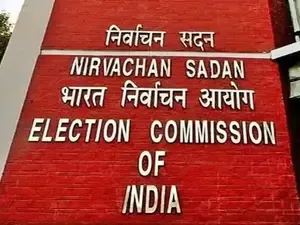
In a decisive move, the Election Commission of India has stated that the original list of IAS and IPS officers from West Bengal will remain unchanged for their appointment as central poll observers. This decision comes despite objections from the state government, which had suggested alternative candidates. The situation underscores the tension between the ECI and local government.
Key Takeaways
The ECI has confirmed the appointment of 15 IAS and 10 IPS officers from West Bengal as central poll observers.
The state government had proposed alternative candidates, which were rejected by the ECI.
ECI's decision is seen as a reinforcement of its authority in electoral matters.
The situation highlights tensions between state and central governance.
Central poll observers are crucial for ensuring the integrity of the electoral process.
Kolkata, Feb 4 (NationPress) The Election Commission of India (ECI) announced on Wednesday that there will be no alterations permitted in the roster of 15 Indian Administrative Service (IAS) and 10 Indian Police Service (IPS) officers from the West Bengal cadre, who were initially chosen as central poll observers for other states.
This directive mandates that these 15 IAS and 10 IPS officers must arrive in New Delhi by Wednesday night or, at the very latest, Thursday morning to participate in the two-day training program for central poll observers commencing on Thursday.
The ECI has decisively dismissed the alternate names proposed by the West Bengal government for these appointments.
Previously, last month, the ECI informed West Bengal regarding the selection of these officers as central poll observers. Nevertheless, the state government expressed strong objections to the selection of certain individuals, notably the state Home Secretary, Jagdish Prasad Meena.
According to the Commission's regulations, it is permissible to assign IAS and IPS officers from one state as central poll observers in other states. However, it is quite unusual to select a state home secretary for such a role. Nevertheless, there are no regulations preventing the Commission from doing so.
The state government recommended alternative bureaucrats and police officers from the state cadre to the Commission. However, on Wednesday, the ECI made it clear that the original selection of 15 IAS and 10 IPS officers would remain in effect.
The Trinamool Congress has already labeled the Commission's decision as unilateral and accused it of being a conspiracy orchestrated by the BJP.
The ECI, however, attributes the current situation to the state government. Insiders from the office of the Chief Electoral Officer (CEO) indicated that the Commission felt compelled to make a unilateral decision in selecting these officers due to the earlier communications from the panel to the state government being ignored.
Point of View
The Election Commission's decision to maintain its list of IAS and IPS officers as central poll observers, despite state government objections, highlights its authority in electoral matters. This situation raises questions about the relationship between state and central agencies, emphasizing the need for coherence in governance during elections.
NationPress
23 Sept 2026
Frequently Asked Questions
What was the ECI's recent decision regarding IAS and IPS officers?
The ECI decided that the originally selected 15 IAS and 10 IPS officers from West Bengal will not be replaced as central poll observers.
Why did the West Bengal government object to the selections?
The state government raised objections, especially regarding the appointment of the state Home Secretary, Jagdish Prasad Meena.
What are the implications of this decision?
This decision emphasizes the ECI's authority and may affect the relationship between the state government and the central authority.
Will the ECI consider any alternative names suggested by the state government?
No, the ECI has confirmed that its initial selection will remain unchanged.
What is the significance of selecting IAS and IPS officers as central poll observers?
Assigning IAS and IPS officers as central poll observers ensures that the electoral process is monitored effectively, maintaining transparency and fairness.