How is the eCourts Project Enhancing Accessibility for Disabled Litigants?
Synopsis
The eCourts Project Phase III introduces crucial measures aimed at improving digital accessibility for Persons with Disabilities. Minister Arjun Ram Meghwal outlines initiatives that ensure equal access to legal resources, enhancing the judicial experience for all citizens.
Key Takeaways
24 components of the eCourts Project enhance accessibility.
The S3WaaS platform improves content visibility for visually impaired users.
NALSA's specific scheme supports Persons with Disabilities .
Infrastructure plans ensure disability-friendly designs .
Legal Services Authorities Act provides free legal services to marginalized groups.
New Delhi, Dec 12 (NationPress) As part of the eCourts Project Phase III, a total of 24 components have been introduced to facilitate the establishment of an accessible digital infrastructure for Persons with Disabilities (PwD) alongside other citizens, according to information shared in Parliament on Friday.
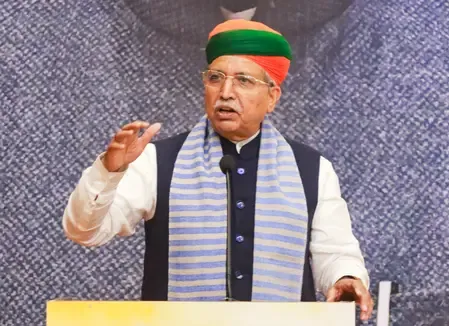
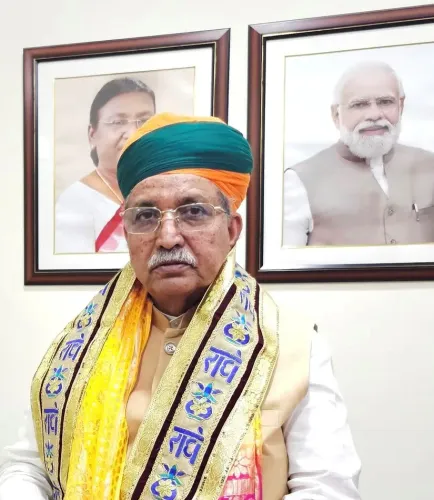
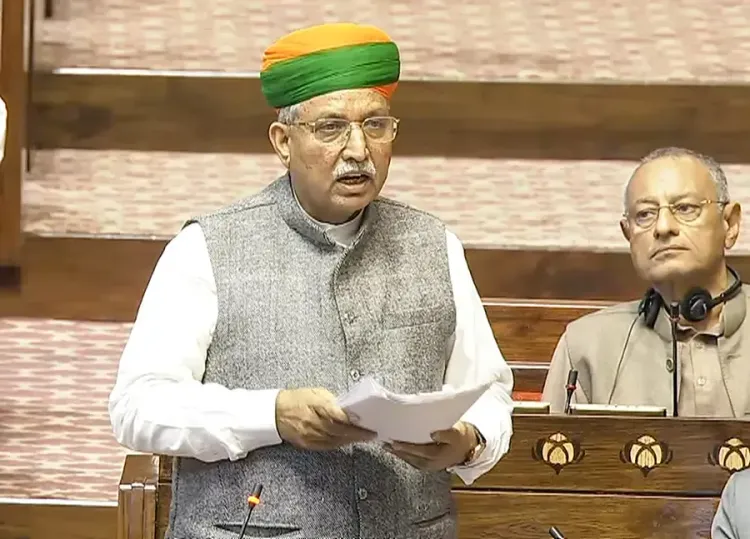
The Minister of State for Law and Justice, Arjun Ram Meghwal, highlighted that the platform utilized in this initiative includes features tailored for improved content visibility for individuals who are partially or fully visually impaired.
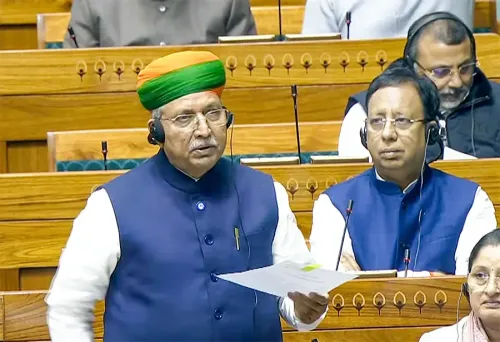
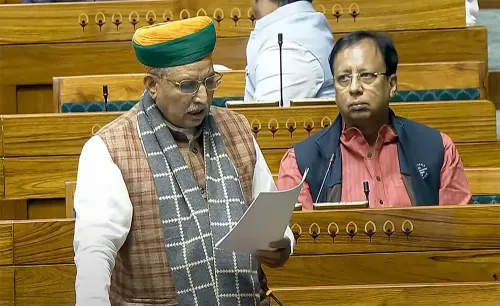
“We have implemented enhanced accessible ICT-enabled facilities for Persons with Disabilities, including the migration of websites from 752 courts (inclusive of High Courts) to the S3WaaS platform (Secure, Scalable, and Sugamya Website as a Service), which optimizes website accessibility for Persons with Disabilities. The S3WaaS platform is designed to enhance content visibility for those who are partially and completely visually challenged,” he noted while responding to a question in the Lok Sabha.
In detailing the government’s efforts to provide affordable, quality, and prompt legal services, he mentioned the Legal Services Authorities (LSA) Act of 1987, which guarantees free and competent legal assistance to marginalized communities, including Persons with Disabilities.
He further stated that the National Legal Services Authority (NALSA), established under the Act, is executing a distinct scheme aimed at Persons with Disabilities called the NALSA (Legal Services to the Mentally Ill and Persons with Intellectual Disabilities) Scheme, 2024.
This scheme is designed to ensure that legal services cater to the unique legal and social requirements of individuals with mental illnesses and intellectual disabilities.
Under this initiative, specialized ‘Legal Services Units for Persons with Mental Illness & Persons with Intellectual Disabilities named ‘Manonyay’ (LSUM) units have been established across all States and Union Territories, except for Ladakh and Dadra & Nagar Haveli, he explained.
The Minister of State also mentioned that the government is executing a Centrally Sponsored Scheme to enhance infrastructure facilities for District and Subordinate Courts by bolstering the resources of State Governments/UTs for constructing Court Halls, Residential Units for Judicial Officers, Lawyers’ Hall, Digital Computer Rooms, and Toilet Complexes.
According to the scheme's guidelines, the States/UTs must ensure that the planned infrastructure incorporates disability-friendly design.
The design of the buildings adheres to the necessary norms and accessibility standards set by the Central Public Works Department, the Department of Empowerment of Persons with Disabilities, and the Ministry of Social Justice and Empowerment over time, he concluded.
Point of View
It is evident that the government's commitment to enhancing legal accessibility for Persons with Disabilities is a significant step toward inclusivity. The measures outlined, especially the establishment of specialized legal units, demonstrate a proactive approach to addressing the unique challenges faced by this community, reflecting a broader societal responsibility to ensure equitable access to justice.
NationPress
1 Oct 2026
Frequently Asked Questions
What is the eCourts Project Phase III?
The eCourts Project Phase III is an initiative aimed at improving digital infrastructure for the judiciary, specifically focusing on accessibility for Persons with Disabilities.
What features does the S3WaaS platform offer?
The S3WaaS platform offers enhanced visibility for content, making it user-friendly for individuals who are partially or completely visually impaired.
What is the NALSA Scheme for Persons with Disabilities?
The NALSA Scheme for Persons with Disabilities, named NALSA (Legal Services to the Mentally Ill and Persons with Intellectual Disabilities) Scheme, 2024, aims to provide tailored legal services to individuals with mental health issues and intellectual disabilities.
How is the government improving court infrastructure for accessibility?
The government is implementing a Centrally Sponsored Scheme to enhance the infrastructure of District and Subordinate Courts, ensuring that all new designs are disability-friendly.
What is the significance of the Legal Services Authorities Act?
The Legal Services Authorities Act, 1987, ensures free legal assistance for marginalized communities, including Persons with Disabilities, thereby promoting equality in access to justice.