Did ED Conduct a Raid on a Suspected Hawala Operator's Residence in Hooghly, Bengal?

Synopsis
The ED's recent raid in Hooghly raises concerns over illegal hawala activities. Residents express surprise at the family's reclusive nature, leading to speculation about their financial dealings. This investigation underscores the ongoing battle against illicit financing in India.
Key Takeaways
The ED is probing illegal financial activities linked to the hundi system.
Community reactions reflect the impact of such operations on local sentiment.
The involvement of CISF indicates the seriousness of the investigation.
Hundi trading remains a significant concern regarding illicit finance in India.
Understanding local dynamics is crucial in the context of such investigations.
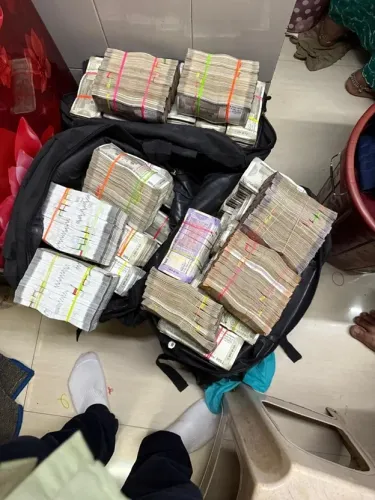
Kolkata, Dec 17 (NationPress) The Enforcement Directorate (ED) was actively engaged in raiding a residence located in the Rishra locality of West Bengal's Hooghly district on Wednesday. This operation aims to probe illegal financial activities connected to the 'hundi' system.
As per reports from the central investigative agency, the raid took place at a residence on Lakshmi Pally Third Lane in Rishra, where a suspected hawala operator is believed to have been residing.
ED officials are delving into potential illegal financial dealings associated with his operations.
Sources from the ED disclosed that a team of five officials, supported by six personnel from the Central Industrial Security Force (CISF), arrived at the location in three vehicles. It has been reported that the questioning process has been extensive and ongoing. Furthermore, the ED officials are still conducting thorough searches within the home and are interrogating family members.
This raid appears to be part of a broader investigation into claims of unlawful transactions facilitated by the hundi system.
Hundi trading encompasses the use of traditional Indian financial instruments—such as bills of exchange, promissory notes, or remittance tools—to transfer money or credit, circumventing the conventional banking framework. This system relies on trust networks, akin to hawala, and handwritten payment orders, functioning within an informal economy for trade, loans, and remittances. Numerous accusations have emerged linking such activities to illicit undertakings.
Local residents mentioned that the family has resided in the neighborhood for an extended period but tends to remain withdrawn, which has fueled suspicions of their involvement in illegal transactions through the hundi trading framework.
“We were taken aback to see central force personnel in our area early this morning. It later became clear that ED officials were executing a raid at one of the houses here. This family rarely engages with the locals, so we are not well-acquainted with them or their business activities,” a resident remarked to the media.
Frequently Asked Questions
What is the purpose of the ED raid in Hooghly?
The Enforcement Directorate is investigating potential illegal transactions related to the hundi system.
What does the hundi system involve?
The hundi system uses traditional financial instruments to facilitate money transfers outside the conventional banking system.
What was the local community's reaction to the raid?
Residents expressed surprise at the presence of central forces, noting that the family involved was not well-known in the area.
Who conducted the raid along with the ED?
The raid included personnel from the Central Industrial Security Force (CISF) for added security.
What are the implications of such raids?
Raids like these are crucial for combating illegal financial practices and maintaining the integrity of the financial system.