Is the Liquor Policy 'Scam' a Reality? ED to Challenge Kejriwal's Acquittal in Summons Non-Compliance Cases
Synopsis
The Enforcement Directorate (ED) plans to contest the acquittal of Arvind Kejriwal, former Delhi Chief Minister, regarding allegations of failing to comply with summons linked to an excise policy case. This decision follows a recent court ruling, and the implications are significant for both Kejriwal and the political landscape.
Key Takeaways
ED challenges Kejriwal's acquittal Allegations of non-compliance with summons Case stems from Delhi Excise Policy investigation Potential implications for public officials Legal complexities in public governance
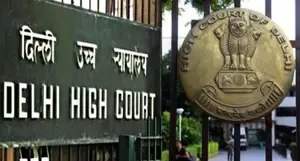
New Delhi, Feb 12 (NationPress) The Enforcement Directorate (ED) informed the Delhi High Court on Thursday that it intends to contest the acquittal of AAP leader and former Delhi Chief Minister Arvind Kejriwal regarding allegations of failing to comply with summons issued by the federal anti-money laundering agency in relation to the excise policy case.
This assertion was made by Additional Solicitor General (ASG) S.V. Raju during a hearing at the Delhi High Court after Kejriwal's attorney requested to withdraw a petition that contested the summons directed at him.
Kejriwal’s legal representative noted that the appeal was no longer active following the acquittal granted by the Rouse Avenue Court in the complaints brought by the ED concerning his alleged non-appearance before the federal anti-money laundering agency despite repeated summons.
The court’s bench, comprising Chief Justice D.K. Upadhyaya and Justice Tejas Karia, acknowledged the statement and permitted the withdrawal of the plea, subsequently dismissing it as withdrawn.
Previously, Additional Chief Judicial Magistrate (ACJM) Paras Dalal from the Rouse Avenue Courts had acquitted Kejriwal in two complaints filed by the ED seeking his prosecution for purported willful non-compliance with summons issued under Section 50 of the Prevention of Money Laundering Act (PMLA).
The ED alleged that Kejriwal neglected to appear despite receiving five summons on various occasions, which led the agency to initiate prosecution for his non-compliance.
The central agency argued that if a high-ranking public official like him disobeyed the law, it would set a poor example for citizens.
The ED’s complaint accused Kejriwal of deliberately ignoring the summons and providing “feeble excuses.”
In response to the ED's allegations, the Additional Chief Metropolitan Magistrate (ACMM) issued summons to Kejriwal. After the sessions court declined to halt the summons from the ACMM, Kejriwal approached the Delhi High Court to contest the sessions court's refusal regarding his plea against the summons stemming from the ED's complaint.
Additionally, the AAP leader submitted a separate application questioning the validity of the complaints, arguing that since summons were issued by one ED officer of Assistant Director rank, another complaint before a magisterial court could not be initiated by a different ED officer of the same rank based on Section 195 of the CrPC.
The money laundering investigation by the ED originates from a case registered by the Central Bureau of Investigation (CBI) on August 17, 2022, concerning alleged irregularities in the Delhi Excise Policy for 2021-22. Kejriwal was arrested later in the main money laundering case but was granted interim bail by the Supreme Court, which referred his plea to a larger bench for a definitive ruling on the legal issues arising from his arrest and subsequent remand by the ED.
Point of View
This development underscores the ongoing scrutiny faced by prominent political figures like Arvind Kejriwal. The ED's actions signal a relentless pursuit of accountability in governance, raising questions about compliance with the law among public officials. It's a critical moment that reflects the intersection of politics and legal accountability.
NationPress
29 Sept 2026
Frequently Asked Questions
What is the current legal status of Arvind Kejriwal?
Arvind Kejriwal has been acquitted by the Rouse Avenue Court in complaints filed by the ED regarding his alleged non-compliance with summons. However, the ED intends to challenge this acquittal.
What are the allegations against Arvind Kejriwal?
Kejriwal faces allegations of failing to comply with multiple summons issued by the ED in connection with an investigation into irregularities in the Delhi Excise Policy.
What is the basis of the ED's complaint?
The ED has accused Kejriwal of deliberately ignoring summons and providing weak excuses, which they argue sets a poor example for public adherence to the law.
What implications does this case have for Delhi politics?
This case could significantly impact public trust in political leaders and may influence future governance and legal compliance among officials in Delhi.
What further actions are expected from the ED?
The ED plans to formally challenge Kejriwal's acquittal, which may lead to renewed legal proceedings and further scrutiny of his actions.