Celebrating Eid: A Festival of Compassion and Unity
Synopsis
The Congress party celebrates Eid-ul-Fitr as a festival of compassion and togetherness. Leaders including Rahul Gandhi and Priyanka Gandhi Vadra extend heartfelt wishes, emphasizing the significance of community and love during this sacred occasion.
Key Takeaways
Eid-ul-Fitr symbolizes compassion and unity.
Leaders extend heartfelt greetings to promote togetherness.
Charity plays a vital role in the celebrations.
Festivities can last up to three days in many countries.
Community gatherings enhance the festive spirit.
New Delhi, March 21 (NationPress) The Congress party warmly greeted citizens nationwide on the occasion of Eid-ul-Fitr, emphasizing that this festival embodies compassion, generosity, and togetherness.
Rahul Gandhi, the Leader of the Opposition in the Lok Sabha, shared his heartfelt wishes on the social media platform X, stating, “Eid Mubarak! May you and your loved ones experience joy, prosperity, and good health.” In a video message, he extended his greetings, saying, “Namaskar, aap sabhi ko Eid Mubarak, aapko aur aapke parivaron ko bahut sara pyar. Jai Hind!”
Congress President Mallikarjun Kharge also conveyed his wishes via X, addressing all citizens.
“Warm greetings to all my fellow citizens on this joyous occasion of Eid-ul-Fitr. Eid is a celebration of compassion, generosity, and togetherness. It reminds us of the strength found in our shared humanity and the beauty of our diverse, pluralistic society. May this blessed occasion bring peace, prosperity, and inspire us all to extend kindness and service to those around us. Eid Mubarak,” he stated.
Congress MP Priyanka Gandhi Vadra also shared her thoughts, referring to Eid-ul-Fitr as a festival of love, harmony, and brotherhood.
“Many congratulations to everyone on Eid-ul-Fitr, the festival of love, harmony, and brotherhood. May this festival bring immense joy to all of you. I wish everyone happiness, prosperity, and peace,” she expressed.
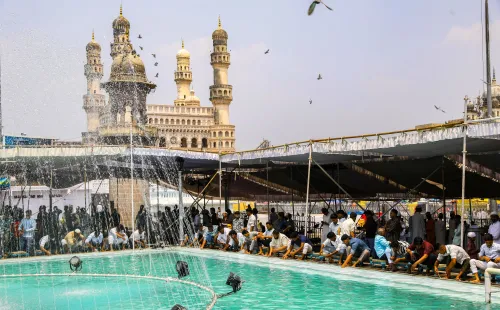
Meanwhile, the celebration of Eid-ul-Fitr, which marks the end of the sacred month of Ramadan, is being observed by Muslims worldwide, including in India, through prayers, feasts, and gatherings.
However, celebrations are subdued in several parts of West Asia this year due to ongoing conflicts, casting a shadow over the festive spirit. Many countries have announced public holidays extending up to four days to honor the occasion.
Ramadan, the ninth month of the Islamic lunar calendar, is recognized as one of the most sacred periods in Islam. It commemorates the revelation of the Holy Quran to Prophet Muhammad by the angel Gabriel. During this month, Muslims fast from dawn to dusk, engage in more prayers, and focus on spiritual reflection and self-discipline.
Eid-ul-Fitr, often called the “festival of breaking the fast,” signifies the conclusion of this month-long devotion and fasting. The festival occurs on the first day of Shawwal, the tenth month of the Islamic calendar, following the sighting of the crescent moon. Due to the lunar nature of the calendar and varying weather conditions, the exact date of Eid may vary across different regions.
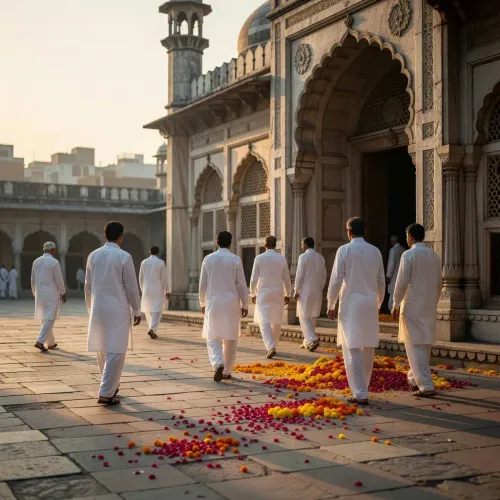
The day starts with a special congregational prayer held shortly after sunrise. Unlike daily prayers, this prayer does not include the traditional call to prayer and features additional recitations that praise God. Before participating in the prayer, Muslims are required to give charity, ensuring that those in need can partake in the festivities.
It is customary to consume something, often dates, before heading to the prayers and to wear new or their finest attire, reflecting the joyous nature of the event.
Eid-ul-Fitr is one of the two principal festivals in Islam, the other being Eid al-Adha. The day is celebrated with both formal and informal gatherings, including community events, visits to relatives, and the giving of greetings and gifts. Families gather to share festive meals, while children often receive presents and money, enhancing the celebratory atmosphere.
While Eid is officially celebrated for one day, festivities in many countries can last up to three days, often accompanied by public holidays. These days provide an opportunity for individuals to relax, reconnect with loved ones, and celebrate the successful completion of Ramadan. In several nations, governments have declared multiple days off to enable citizens to fully engage in the celebrations.
Point of View
Generosity, and togetherness, showcasing the festival's essence while acknowledging the challenges faced in various regions. This national perspective promotes unity and cultural appreciation.
NationPress
21 Sept 2026
Frequently Asked Questions
What is Eid-ul-Fitr?
Eid-ul-Fitr is a significant festival in Islam that marks the end of Ramadan, a month of fasting, prayer, and reflection.
When is Eid-ul-Fitr celebrated?
Eid-ul-Fitr is celebrated on the first day of Shawwal, the tenth month of the Islamic calendar, following the sighting of the crescent moon.
What are common practices during Eid-ul-Fitr?
Common practices include special congregational prayers, giving charity, sharing festive meals, and visiting relatives.
Why is charity important during Eid?
Charity is essential during Eid to ensure that everyone, especially those in need, can partake in the celebrations.
How long do Eid celebrations last?
Eid is officially celebrated for one day, but festivities can extend up to three days in many regions.