Nasscom: Indian IT firms' PERM transitions limited amid US suspension

Synopsis
The US has suspended Infosys, Tata, Wipro, HCL, Cognizant and Capgemini from its permanent labour certification programme — a rare mass action against Indian IT majors. Nasscom's measured response acknowledges the impact but insists PERM transitions are already limited, signalling the industry is braced for scrutiny without expecting operational collapse.
Key Takeaways
The US administration suspended Infosys , Tata , Wipro , HCL , Cognizant , and Capgemini from the Permanent Labor Certification (PERM) programme on 8 October 2026 .
Nasscom said H-1B to PERM transitions for Indian IT employees are 'relatively limited' and firms will comply with US regulations.
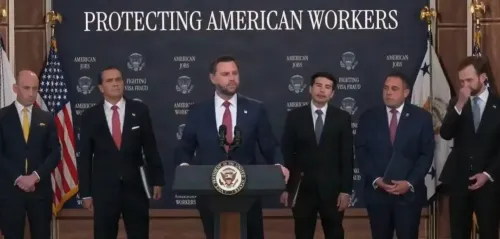
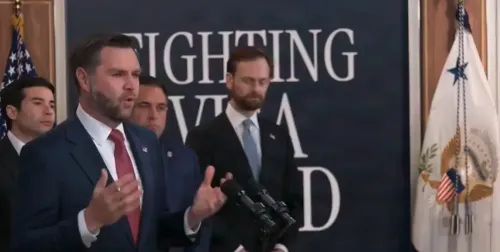
US Labour Secretary Keith Sonderling announced the suspension following a Department of Labor Inspector General investigation.
The suspension halts both new PERM applications and processing of pending ones for the named companies.
Indian IT firms operate in more than 80 countries and serve a majority of US Fortune 500 companies, according to Nasscom.
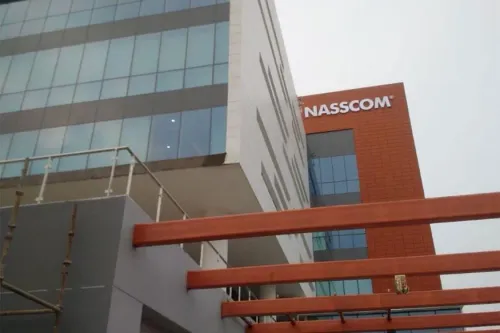
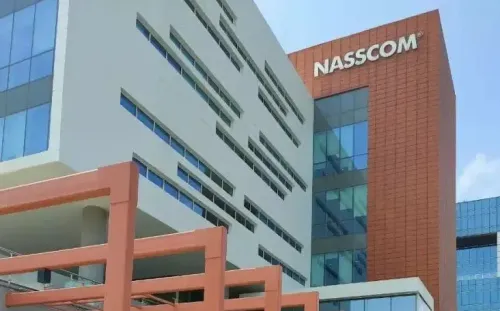
Nasscom, the apex body of India's information technology industry, on Thursday, 8 October 2026, said the number of employees moving from H-1B visas to permanent residency through the Permanent Labor Certification (PERM) process is 'relatively limited', and that Indian technology companies will continue to comply with all applicable US regulations. The statement came hours after the US administration suspended several major outsourcing firms — including Infosys, Tata, Wipro, HCL, Cognizant, and Capgemini — from the permanent labour certification programme.
What the US Suspension Entails
US Labour Secretary Keith Sonderling announced the suspension following investigations by the Department of Labor's Inspector General. The action immediately halts the acceptance of new PERM applications involving the six named companies and suspends the processing of all pending applications. This marks one of the most sweeping crackdowns on outsourcing firms under the PERM framework in recent memory.
Nasscom's Position
Nasscom said the suspension affects 'a specific immigration pathway' but maintained that immigration and skilled talent mobility are two distinct issues that should not be conflated. The body emphasised that Indian technology companies have steadily reduced their dependence on H-1B visas over the past few years while expanding local hiring in the US.
'The H-1B visa programme has historically played an important role in addressing short-term skill gaps in the US and it will continue to be used to address short-term talent gaps. However, over the past few years, Indian technology companies have significantly reduced their dependence on H-1B visas, while steadily expanding local hiring and building a strong domestic workforce in the US,' Nasscom said in a statement.
Scale and Compliance Track Record
Nasscom noted that Indian IT companies operate across more than 80 countries and serve a majority of US Fortune 500 companies, enabling innovation and generating local jobs. 'Consequently, the number of employees transitioning from H-1B visas to permanent residency through the PERM process is also relatively limited. Indian technology companies... have consistently demonstrated their commitment to complying with local laws and regulatory requirements. We are confident that they will continue to adhere to applicable regulations in the US as well,' the body said.
What Happens Next
With the suspension in effect, affected companies face a potential backlog in employee immigration planning, particularly for workers already mid-way through the PERM process. The suspension does not directly restrict H-1B renewals or new H-1B filings, but it narrows the pathway to green cards — a critical retention tool for skilled workers in the US. Industry observers will watch whether the Department of Labor extends the suspension to additional firms or moves toward formal debarment proceedings.
Point of View
It suggests federal scrutiny of labour certification practices has moved beyond audits into enforcement. Nasscom's response is strategically calibrated: downplay the PERM pathway's significance while foregrounding local hiring gains, which is the right framing but sidesteps the deeper question of whether any of the named firms misused the certification process. The real risk here is not operational — PERM volumes may indeed be limited — but reputational and regulatory: a formal debarment finding, rather than a suspension, would have far graver consequences for Indian IT's positioning in the US market.
NationPress
9 Oct 2026
Frequently Asked Questions
Which Indian IT companies were suspended from the PERM programme in the US?
Infosys, Tata, Wipro, and HCL were among the Indian IT firms suspended by the US administration from the Permanent Labor Certification (PERM) programme. Cognizant and Capgemini were also included in the action, announced by US Labour Secretary Keith Sonderling following a Department of Labor Inspector General investigation.
What is the PERM process and why does it matter for Indian IT workers?
The Permanent Labor Certification (PERM) process is a US Department of Labor programme that allows employers to sponsor foreign workers for permanent residency (green cards). For Indian IT professionals on H-1B visas, PERM is a key — often the primary — pathway to long-term legal status in the United States.
What does the US suspension mean practically for affected employees?
The suspension halts both new PERM applications from the named companies and the processing of pending applications, effectively freezing the green card pathway for affected workers mid-process. It does not directly restrict H-1B renewals, but it significantly narrows options for employees seeking permanent residency.
How has Nasscom responded to the US PERM suspension?
Nasscom said the number of employees transitioning from H-1B to permanent residency via PERM is 'relatively limited' and that Indian IT companies will continue to comply with US regulations. It also highlighted that Indian firms have reduced H-1B dependence while expanding local US hiring in recent years.
Could the suspension escalate further?
The current action is a suspension — not a permanent debarment — meaning it could be lifted, extended, or escalated depending on investigation outcomes. Industry observers will watch whether the Department of Labor pursues formal debarment proceedings or broadens the action to additional outsourcing firms.