Mandaviya chairs 240th CBT meet; EPF SWP approved
Synopsis
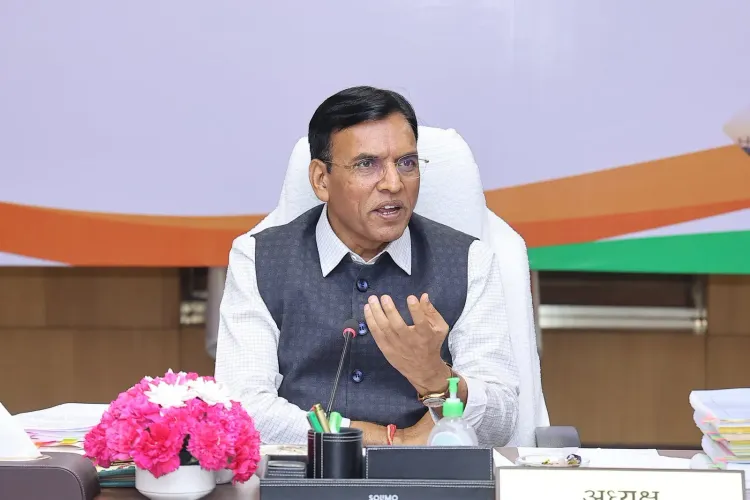
Union Minister Mansukh Mandaviya chaired the 240th EPFO Central Board of Trustees meeting in New Delhi on 19 November 2026, approving a Systematic Withdrawal Plan that will let crores of EPF members draw regular post-retirement income while earning returns on their remaining corpus.
Key Takeaways
Systematic Withdrawal Plan (SWP) approved : EPFO's Central Board of Trustees cleared the facility at its 240th meeting on 19 November 2026 .
How it works : EPF members can draw their retirement savings in regular periodic instalments post-retirement while continuing to earn returns on the remaining balance.
Who it affects : Crores of organised-sector workers enrolled under the Employees' Provident Fund Act, 1952 .
Meeting chaired by : Union Labour and Sports Minister Mansukh Mandaviya in New Delhi .
What to watch next : Official notification detailing eligibility, withdrawal frequency, tax treatment and rollout timeline.
Policy context : Builds on decades of EPF liberalisation, including the introduction of the Universal Account Number (UAN) in 2014 .
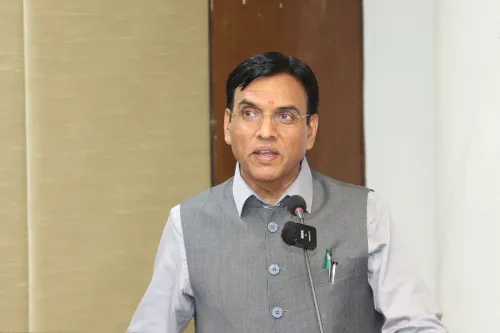
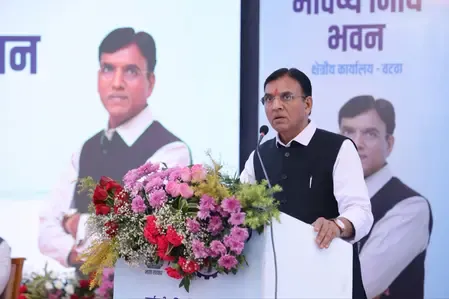
Crores of retired workers will soon be able to draw a regular monthly income from their provident fund savings without touching the principal — thanks to a landmark decision cleared at New Delhi on Thursday, 19 November 2026. Union Minister of Labour and Employment Mansukh Mandaviya chaired the 240th meeting of the Central Board of Trustees (CBT) of the Employees' Provident Fund Organisation (EPFO) and announced the approval of a Systematic Withdrawal Plan (SWP) for EPF members.
Posting on X, Mandaviya described the decision as historic: 'श्रमिकों का कल्याण और सुरक्षित भविष्य, मोदी सरकार का संकल्प!' ('The welfare and secure future of workers is the resolve of the Modi government!'). He said the SWP would allow members to receive their retirement savings at regular intervals while continuing to earn returns on the remaining corpus — a structural shift in how India's largest retirement savings institution delivers post-retirement income.
What the SWP actually changes for EPF members
Until now, EPF members at retirement faced a binary choice: withdraw the entire corpus in a lump sum or leave it untouched. The newly approved Systematic Withdrawal Plan creates a third option — periodic, structured payouts from the corpus post-retirement, with the balance continuing to earn interest. Think of it as converting a savings pot into a self-managed pension stream, entirely within the EPFO framework.
The scale of this change is significant. EPFO manages retirement savings for tens of millions of organised-sector workers across India, making it one of the world's largest retirement-fund administrators. A facility that makes post-retirement drawdown more flexible touches virtually every private-sector worker enrolled under the Employees' Provident Fund Act of 1952.
CBT: The tripartite body that just moved the needle
The Central Board of Trustees is EPFO's apex policy body, with representation from the central government, state governments, employers and workers' unions — a tripartite structure designed to give all stakeholders a seat at the table. Its decisions carry statutory weight. The 240th CBT meeting clearing the SWP means the facility has cleared the highest policy hurdle inside EPFO; operational guidelines, eligibility criteria, withdrawal frequency rules and tax treatment are expected to follow in a formal notification.
A reform lineage stretching back to 1952
The EPF ecosystem has been incrementally modernised over decades. The introduction of the Universal Account Number (UAN) in 2014 gave workers a portable digital identity across employers. Successive rounds of rule liberalisation have eased advance withdrawals for medical emergencies, housing and education. The SWP approval is the latest — and arguably the most consequential — step in that journey, extending flexibility to the retirement-income stage rather than just the accumulation stage.
Mandaviya credited Prime Minister Narendra Modi's 'visionary leadership' for the direction of travel, framing the SWP as part of a broader commitment to providing 'regular income and strong economic support' to workers and their families after retirement.
The fine print — exact payout frequencies, minimum corpus thresholds, tax implications and a rollout timeline — will determine how transformative this reform proves in practice. That notification is now the number to watch.
Point of View
A gap long filled (imperfectly) by lump-sum withdrawals or informal savings. For the BJP government, it delivers a tangible, rights-expanding benefit to the organised working class ahead of a legislative calendar that still has pension portability and gig-worker coverage on its to-do list. The real test will be in the operational notification: if payout frequencies are flexible and tax treatment is benign, uptake could be rapid; if the rules are restrictive, the reform may underwhelm. Either way, it signals that EPFO — often criticised for rigid rules — is being pushed toward a more member-centric model.
NationPress
19 Nov 2026
Frequently Asked Questions
What is the EPFO Systematic Withdrawal Plan (SWP) approved in 2026?
The SWP is a new facility approved by EPFO's Central Board of Trustees on 19 November 2026 that allows EPF members to withdraw their retirement corpus in regular periodic instalments rather than as a single lump sum, while the remaining balance continues to earn returns.
Who is eligible for the EPF Systematic Withdrawal Plan?
The SWP is intended for EPF members post-retirement. Detailed eligibility criteria, minimum corpus requirements and withdrawal frequency options are expected to be specified in an official EPFO notification following the CBT approval.
What was decided at the 240th EPFO CBT meeting?
The 240th meeting of EPFO's Central Board of Trustees, chaired by Union Minister Mansukh Mandaviya in New Delhi on 19 November 2026, approved the Systematic Withdrawal Plan as a new post-retirement income option for EPF subscribers.
Will EPF corpus continue to earn interest under the SWP?
Yes. Under the approved SWP, only the withdrawn portion leaves the account; the remaining corpus continues to earn returns, allowing members to benefit from both regular income and ongoing investment growth.
What is the Central Board of Trustees (CBT) of EPFO?
The CBT is the tripartite apex policy-making body of EPFO, comprising representatives of the central government, state governments, employers and workers' unions. Its decisions on EPF policy carry statutory authority.