Shiv Sena UBT blames E20 ethanol policy for sugar, jaggery price surge

Synopsis
Shiv Sena UBT's Saamana editorial has put the Centre's E20 ethanol blending target at the centre of India's sugar price crisis — arguing that diverting sugarcane to distilleries has squeezed retail supply even as overall production rose. With sugar hitting ₹65–₹70/kg and Ganesh Chaturthi approaching, the political and economic pressure on the government is mounting simultaneously.
Key Takeaways
Shiv Sena (UBT) blamed the Centre's E20 ethanol blending policy for the domestic sugar and jaggery price surge on 22 August .
Retail sugar prices have risen by ₹17 in 15 days , now ranging between ₹65 and ₹70 per kilogram .
Sugar output rose from 25.8 million tonnes to 27.6 million tonnes year-on-year, yet domestic availability remains tight due to ethanol diversion.
The Centre has reportedly tightened anti-hoarding norms (max 10% excess stock for 15 days ) and is planning to import 1 million tonnes of sugar.
Jaggery prices have also surged, with the editorial arguing that sugarcane farmers are not benefiting — gains are going to traders.
The price spike coincides with peak festive demand ahead of Ganesh Chaturthi and Navratri .
Shiv Sena (UBT), led by Uddhav Thackeray, on Saturday, 22 August squarely blamed the Union Government's ethanol-blended petrol (E20) policy for the ongoing domestic sugar shortage and a sharp retail price spike, with sugar now selling at ₹65–₹70 per kilogram — up ₹17 in just 15 days. The party warned that the crisis is souring the mood ahead of Ganesh Chaturthi and Navratri festivals, when sugar and jaggery demand traditionally peaks.
The Ethanol Policy Argument
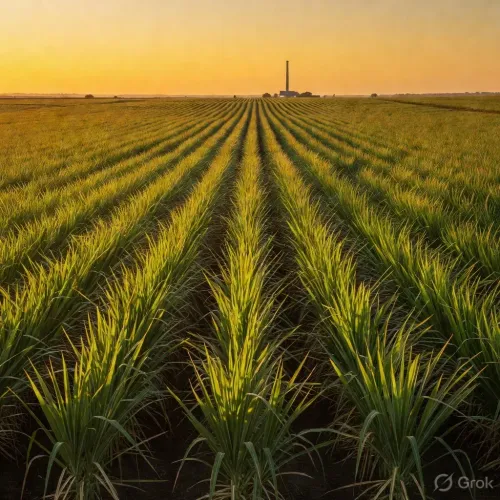
Writing in the party mouthpiece Saamana, the Thackeray camp argued that the root cause is the large-scale diversion of sugarcane away from refined sugar production and toward ethanol manufacturing, driven by government incentives to meet a 20% ethanol blending target. The editorial noted that despite annual sugar output rising from 25.8 million tonnes last year to 27.6 million tonnes this year, domestic availability has remained inadequate once ethanol processing commitments are factored in.
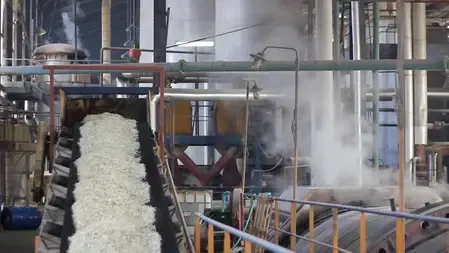
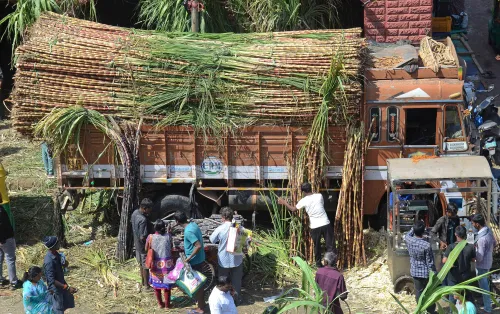
According to the editorial, sugarcane that would ordinarily feed sugar mills is increasingly being routed to distilleries, directly constricting retail supply and pushing prices higher.
Criticism of Government Response
The Saamana editorial characterised the Centre's corrective steps as too little, too late. The government has reportedly tightened anti-hoarding norms, restricting traders from holding more than 10% excess stock for longer than 15 days, and is said to be planning the import of 1 million tonnes of sugar to stabilise domestic supply. Proposals to restrict ethanol production from sugarcane are also reportedly under consideration.
'As usual, the ruling authorities have woken up late. Why do the government's strict and tough measures regarding inflation and price hikes always arrive a day late and a dollar short? Why can't the government foresee that a sugar shortage might occur in the country, causing a price blow to the public?' the editorial asked.
Jaggery Prices and Farmer Gains
The price pressure, the party argued, is not confined to refined sugar. Jaggery (gur) rates have also escalated sharply, the editorial noted, adding that the financial windfall from higher prices is largely accruing to market intermediaries and traders rather than to sugarcane farmers — who critics argue are the intended beneficiaries of any commodity price rise.
This comes amid a broader inflationary squeeze that, according to the editorial, spans fuel, dairy, onions, potatoes, and public transport fares.
Political Charge Against the Centre
The Thackeray camp escalated its rhetoric, arguing that policymakers who failed to anticipate that an aggressive ethanol blending drive would tighten sugar supply are 'unfit to govern.' The editorial accused the Modi government of operating 'entirely on guesswork,' alleging that a 'wildfire of price hikes' has spread across essential commodities, with the common citizen bearing the burden just as the festive season approaches.
The Centre has not formally responded to the Saamana editorial's specific allegations. How the government calibrates its ethanol blending ambitions against domestic food security pressures in the coming weeks will be closely watched by both industry and consumers.
Point of View
At a certain production threshold, structurally at odds. The government's own data — output up but availability tight — lends credibility to the supply-diversion argument, even if the full causality is more complex. What is striking is the timing: the price spike lands squarely on the festive calendar, maximising political exposure. The response so far — anti-hoarding rules and import proposals — addresses symptoms rather than the underlying incentive structure. Until the government publicly reconciles its fuel blending ambitions with food-price stability commitments, the opposition will have a recurring and resonant line of attack.
NationPress
22 Aug 2026
Frequently Asked Questions
Why are sugar prices rising in India in August 2025?
Sugar prices have risen by ₹17 in 15 days to reach ₹65–₹70 per kilogram, according to Shiv Sena (UBT). The party attributes the spike to large-scale diversion of sugarcane toward ethanol production under the government's E20 blending policy, which has tightened domestic sugar supply despite higher overall output.
What is the E20 ethanol blending policy and how does it affect sugar supply?
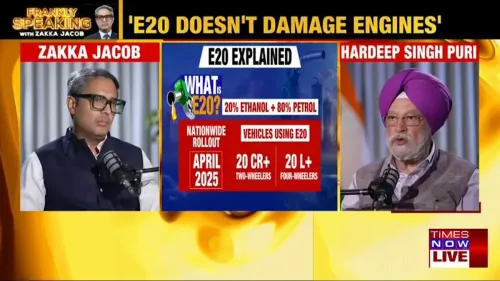
The E20 policy mandates blending 20% ethanol with petrol to reduce fuel import dependence. Critics, including Shiv Sena (UBT), argue that incentivising distilleries to use sugarcane for ethanol diverts raw material away from sugar mills, reducing domestic sugar availability even when total cane production increases.
What steps has the government reportedly taken to control sugar prices?
According to reports, the Centre has tightened anti-hoarding norms, capping traders' excess stock at 10% for no more than 15 days. Plans to import 1 million tonnes of sugar and proposals to restrict ethanol production from sugarcane are also reportedly under consideration.
Are sugarcane farmers benefiting from the higher sugar and jaggery prices?
According to the Saamana editorial, sugarcane farmers are not the primary beneficiaries. The editorial argued that the financial gains from elevated sugar and jaggery prices are largely flowing to market intermediaries and traders rather than to farmers at the farm gate.
Why is the sugar price hike particularly significant right now?
The spike coincides with peak festive demand ahead of Ganesh Chaturthi and Navratri, when sugar and jaggery consumption rises sharply across households. This timing amplifies public dissatisfaction and heightens political pressure on the government to act quickly.