Kejriwal Slams Centre Over Ethanol-Sugar Policy Contradiction
Synopsis
AAP convenor Arvind Kejriwal accused the central government on 20 August 2026 of triggering a sugar shortage by diverting sugarcane to ethanol production under the EBP programme, and then being forced to import sugar — negating the foreign-exchange savings the policy was designed to achieve.
Key Takeaways
Arvind Kejriwal posted on 20 August 2026 accusing the Centre of a self-defeating policy loop on ethanol and sugar.
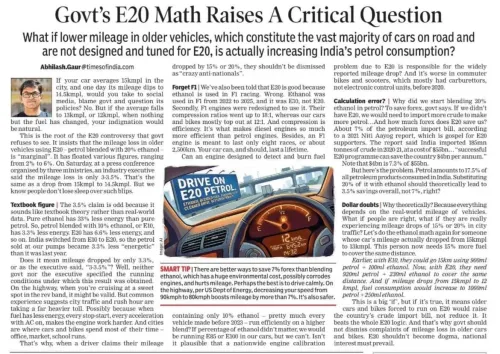
India's Ethanol Blended Petrol Programme targets 20 percent ethanol blending using sugarcane as the primary feedstock, under the National Policy on Biofuels (2018) .
Diverting sugarcane to ethanol reduces sugar output — a structural tension that has periodically disrupted domestic sugar supply.
Kejriwal argues the foreign exchange saved on oil imports is now being spent on sugar imports, making the net gain zero.
Specific sugar shortage and import figures for 2026 are unverified; the 2026-27 crushing season estimates will be the key data point to watch.
The Ministry of Petroleum and Natural Gas and food ministries must coordinate blending targets with domestic sugar supply — a coordination Kejriwal says has failed.
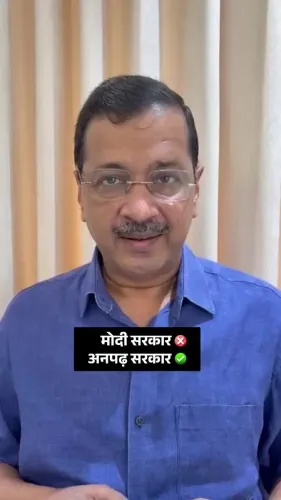
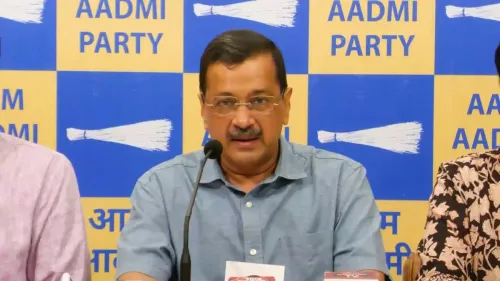
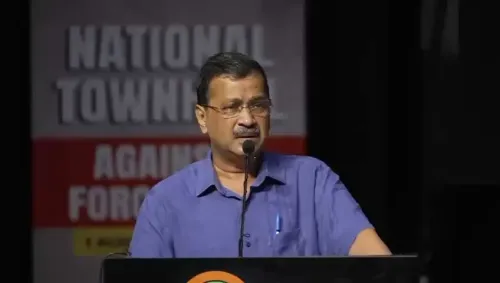
A policy designed to save foreign exchange may now be spending it anyway — just on sugar instead of oil. On Thursday, 20 August 2026, AAP convenor Arvind Kejriwal fired a sharp broadside at the central government, accusing it of creating a sugar shortage through its own ethanol programme and now being forced to import sugar to fix the problem.
Posting in Hindi, Kejriwal wrote: 'तेल आयात पर खर्च होने वाली विदेशी मुद्रा बचाने के लिए गन्ने से एथनॉल बनाना शुरू किया। नतीजन चीनी की कमी हो गई। अब उस विदेशी मुद्रा से चीनी आयात करेंगे।' — 'To save foreign exchange spent on oil imports, they started making ethanol from sugarcane. As a result, a sugar shortage occurred. Now they will import sugar with that same foreign exchange.' He concluded bluntly: 'This is an entirely illiterate government. Nobody knows what the consequences of their actions will be.'
The Ethanol Blending Gamble and Its Sugar Arithmetic
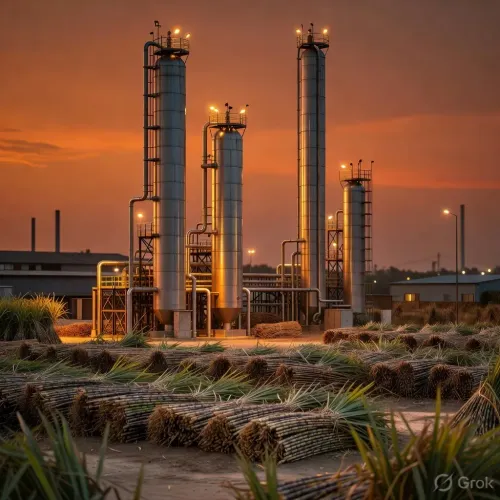
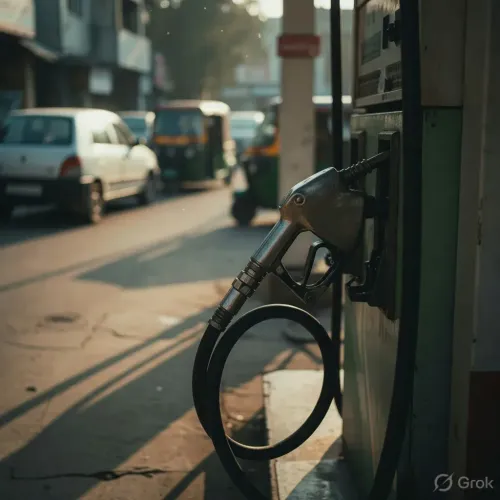
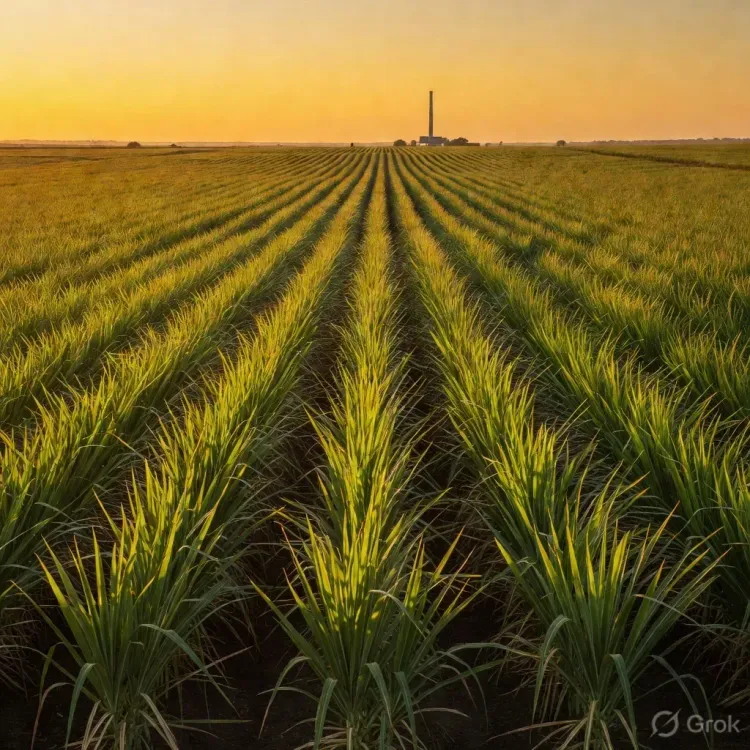
The logic Kejriwal is attacking is not new — it is, in fact, the central tension baked into India's Ethanol Blended Petrol (EBP) Programme since its inception. The government's National Policy on Biofuels (2018) set an ambitious target of 20 percent ethanol blending in petrol by 2025, with sugarcane as the primary feedstock. The arithmetic was straightforward: divert sugarcane juice and B-heavy molasses to distilleries, blend the resulting ethanol with petrol, and reduce the crude oil import bill that drains billions of dollars in foreign exchange each year. What the arithmetic also produces, inevitably, is less sugar. Sugarcane that goes into an ethanol distillery does not go into a sugar mill. When blending targets rise aggressively, the two outputs — fuel and sweetener — compete for the same crop. Successive governments have managed this tension through export curbs, buffer stock norms, and adjustments to procurement pricing, but the balancing act has never been seamless.The Foreign Exchange Paradox Kejriwal Is Pointing To
Kejriwal's critique lands on the sharpest edge of that tension: if a sugar shortage forces India to import sugar, the foreign exchange saved on crude oil is simply redirected to a sugar import bill. The net gain for the country's external account could, in that scenario, be negligible — or worse, negative, depending on global sugar prices at the time of import. This is not a fringe concern. Diversion of sugarcane to ethanol has periodically disrupted domestic sugar availability and prices in India, triggering reactive adjustments in export policy and supply management. The Ministry of Petroleum and Natural Gas, which oversees ethanol blending targets and procurement from sugar mills, and the agriculture and food ministries must coordinate closely to prevent exactly the kind of policy collision Kejriwal describes. Whether that coordination has broken down in the current season is a live question — the government has not publicly confirmed a sugar import decision of the scale implied by the post, and specific 2026 production and trade figures remain unverified.What the Sugar Season Numbers Will Reveal
The real test will come when sugar production estimates for the 2026-27 crushing season are released, alongside any revision to ethanol procurement targets by the petroleum ministry. If output has fallen sharply enough to warrant imports, Kejriwal's framing will carry documentary weight. If supply remains adequate, the government will have a ready rebuttal. For now, the AAP leader has done what opposition politicians do most effectively: identified a structural contradiction in a flagship programme and put it in language any household budget-keeper can understand — you saved money on one bill and created a bigger one next door. The government's response, and the sugar season data, will determine whether this is a rhetorical point or a genuine policy indictment.Point of View
Requiring careful inter-ministerial coordination. By framing the issue as a foreign-exchange paradox — saving on oil only to spend on sugar — he translates a complex commodity policy debate into an accessible accountability argument. The critique fits a broader AAP pattern of attacking the BJP-led Centre on economic competence rather than ideology. Whether the charge sticks depends entirely on whether verified sugar import data emerges this season; without it, the post is a political salvo, not yet a policy verdict.
NationPress
5 Oct 2026
Frequently Asked Questions
Why is Kejriwal criticising the government's ethanol policy?
Kejriwal argues that diverting sugarcane to ethanol production under the government's blending programme caused a domestic sugar shortage, and that importing sugar to cover the gap defeats the original goal of saving foreign exchange on oil imports.
What is India's Ethanol Blended Petrol Programme?
The Ethanol Blended Petrol (EBP) Programme is a central government initiative that blends ethanol — largely derived from sugarcane — with petrol to reduce crude oil imports and conserve foreign exchange. The National Policy on Biofuels (2018) set a target of 20 percent blending by 2025 .
Does making ethanol from sugarcane really reduce sugar production?
Yes. Sugarcane diverted to ethanol distilleries is not available for sugar milling, so higher ethanol blending targets can reduce domestic sugar output. This trade-off has periodically affected sugar availability and prices in India.
Has India imported sugar because of the ethanol programme?
Specific sugar import figures for 2026 linked directly to the ethanol programme have not been officially confirmed. The claim in Kejriwal's post reflects a structural concern, but the scale of any actual import decision remains unverified at this time.
What should we watch to know if Kejriwal's claim is correct?
The release of sugar production estimates for the 2026-27 crushing season and any official revision to ethanol procurement targets by the Ministry of Petroleum and Natural Gas will be the clearest indicators of whether a supply shortfall requiring imports has actually materialised.