Kejriwal Challenges Govt to Release E20 Study Reports
Synopsis
AAP convenor Arvind Kejriwal has challenged the Government of India to publicly release technical reports on E20 ethanol blending, alleging the policy was implemented without scientific scrutiny and that higher blends are being planned once public attention fades.
Key Takeaways
The Government of India clarified that no decision has been taken to raise ethanol blending beyond E20 'at this moment,' citing need for future scientific study and stakeholder consultation.
Kejriwal seized on the word 'abhi' (at this moment) to argue the government is waiting for public pressure to ease before pushing to higher blends like E50 .
He alleged that E20 was implemented without genuine scientific study, with objections silenced under threat.
Kejriwal demanded the government publicly release any technical reports commissioned before implementing E20 .
India's Ethanol Blending Programme dates to 2003 , with the E20 roadmap announced in 2021 targeting 20% blending by 2025 .
The government has not yet responded to the demand for report publication as of 6 August 2026 .
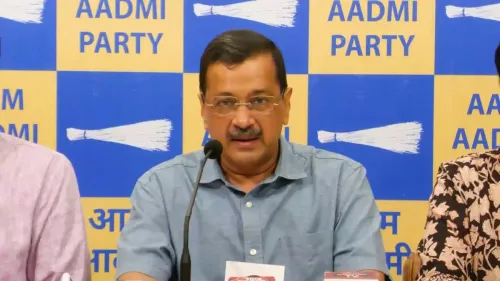
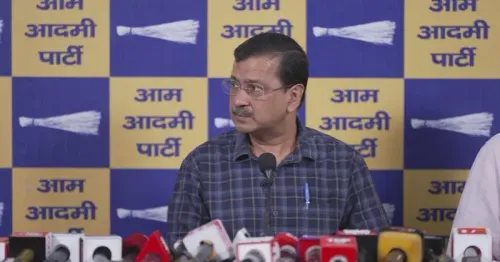
A sharp political salvo over India's ethanol blending policy landed on Thursday morning, as AAP convenor Arvind Kejriwal fired back at the Government of India over its clarification that no decision has been taken to push ethanol blending beyond E20 — seizing on a single word in the government's statement to press his case.
The Word 'Abhi' That Sparked the Counterattack
The government's clarification had stated that 'no decision has abhi [at this moment] been taken' to raise ethanol blending beyond the current E20 level, and that any future proposal would follow 'comprehensive scientific study, technical testing, and consultations with vehicle manufacturers, oil marketing companies, and other stakeholders.' Kejriwal zeroed in on that qualifier. 'You are waiting for the atmosphere to cool down,' he wrote. 'The moment it does, you will implement it.'
His reading: the word 'abhi' is not a denial but a deferral — a signal that E50 blending is a live ambition, merely paused until public attention moves elsewhere. It is a pointed argument, and one the government's own phrasing leaves partially open.
Kejriwal's Core Charge: Science Sidelined, Reports Hidden
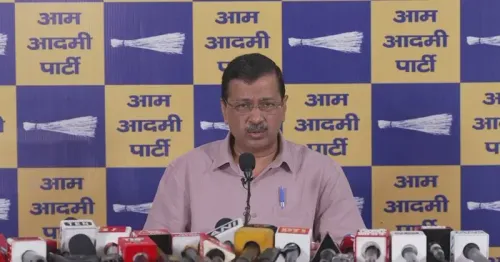
The former Delhi Chief Minister went further, alleging that E20 itself was implemented without genuine scientific scrutiny — that objections were silenced, that stakeholders were threatened into compliance, and that the government now refuses to make public whatever technical reports may exist. 'If you commissioned any study before implementing E20, why not release the reports?' he demanded. 'What are you hiding?'
This is the sharpest edge of his attack. India's Ethanol Blending Programme, launched in 2003, has followed a phased trajectory — from E5 to E10 and then to the E20 roadmap announced in 2021, targeting 20% blending by 2025. The government's own clarification cited 'extensive testing and consultation' before E20's rollout. Kejriwal is now calling that claim's bluff: publish the evidence.
Why the Transparency Question Has Traction
The demand for public release of technical reports touches a genuine gap in India's policy communication. Vehicle manufacturers, oil marketing companies, and millions of two-wheeler and car owners have a direct stake in how higher ethanol blends affect engine performance, fuel efficiency, and long-term mechanical wear. If comprehensive studies exist, their public disclosure would either validate the government's process or expose its limits — which is precisely why the demand is politically effective.
Kejriwal framed the government's style bluntly: 'Where do you believe in science and engineering?' The line is combative, but it channels a real concern shared by automotive engineers and consumer groups about whether India's blending targets have outpaced the evidence base.
The government has not yet responded to the specific demand for report publication. Until it does, that silence becomes part of the story.
Point of View
He avoids overreach and lets the official statement do much of his work. The demand for published E20 reports is tactically smart: if released, they either vindicate the process or reveal its weaknesses; if withheld, the silence itself becomes an indictment. This exchange signals that ethanol blending policy — long treated as a technocratic matter — is now firmly in the political arena ahead of any further target revisions.
NationPress
20 Sept 2026
Frequently Asked Questions
What is E20 petrol and why is Kejriwal opposing it?
E20 refers to petrol blended with 20% ethanol . Kejriwal is not opposing blending outright but is demanding the government publicly release the scientific and technical studies it claims were conducted before implementing E20, alleging the policy was pushed through without adequate scrutiny.
What did the Government of India say about ethanol blending beyond E20?
The government clarified that no decision has been taken 'at this moment' to raise blending beyond E20, and that any future proposal would require comprehensive scientific study, technical testing, and consultation with vehicle manufacturers and oil marketing companies.
What is E50 ethanol blending?
E50 would mean blending petrol with 50% ethanol . No official proposal for E50 currently exists, but Kejriwal has alleged the government intends to pursue it once public attention on the issue fades.
When did India's Ethanol Blending Programme start?
India's Ethanol Blending Programme was launched in 2003 and has expanded in phases — from E5 to E10 and then to the E20 roadmap announced in 2021 , which targeted 20% blending by 2025 .
Why does Kejriwal want E20 study reports made public?
Kejriwal argues that if the government genuinely conducted scientific studies before implementing E20, publishing them would validate the process. He contends the refusal to release them suggests the studies either do not exist or reveal problems with the policy.