Hogenakkal inflow hits 12,000 cusecs as Karnataka releases Cauvery water
Synopsis
Karnataka's Kabini reservoir is releasing nearly twice what it is receiving — drawing down stored reserves to send 4.95 TMC to Tamil Nadu in nine days — pushing Hogenakkal inflows to 12,000 cusecs and forcing a tourist ban on coracle rides. The Cauvery's inter-state water dynamics are playing out in real time at Biligundlu.
Key Takeaways
Cauvery inflow at Hogenakkal reached 12,000 cusecs on 22 August , up from 10,000 cusecs at 6 am .
Karnataka released a combined 14,940 cusecs from Kabini ( 12,940 cusecs ) and KRS ( 2,000 cusecs ).
Kabini discharged approximately 4.95 TMC to Tamil Nadu over nine days (13–22 August), dropping its level by nearly seven feet to 2,275.56 feet .
KRS water level stood at 108.95 feet against a maximum of 124.80 feet as of Friday evening.
Dharmapuri district administration has banned coracle operations at Hogenakkal until flows subside.
Central Water Commission officials are monitoring cross-border flow at Biligundlu .
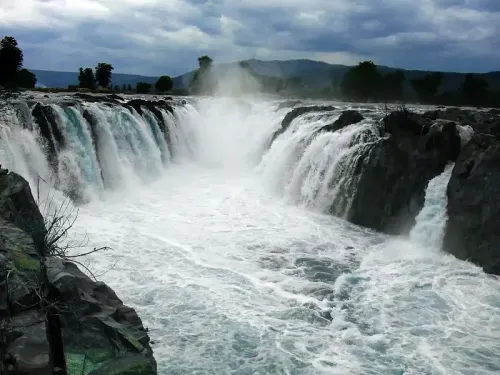
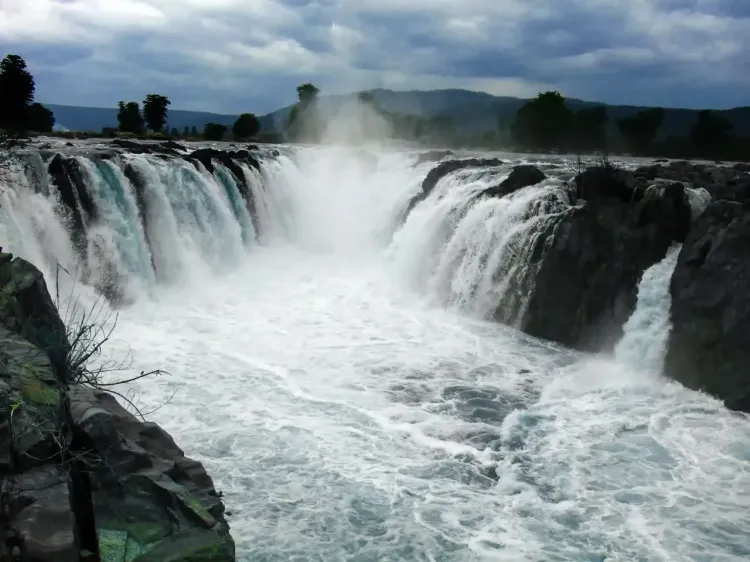
The inflow of the Cauvery river at Hogenakkal in Tamil Nadu climbed to 12,000 cusecs on Saturday, 22 August, driven by sustained discharges from Karnataka's Kabini and Krishnarajasagar (KRS) reservoirs. The flow had stood at 10,000 cusecs at 6 am before rising by a further 2,000 cusecs through the morning.
Scale of Karnataka's Releases
The combined discharge from the two dams totalled 14,940 cusecs — 2,000 cusecs from KRS and 12,940 cusecs from Kabini. Officials of the Central Water Commission (CWC) are closely monitoring flow at Biligundlu on the Tamil Nadu-Karnataka border, the designated measurement point for Cauvery water entering Tamil Nadu.
Kabini Reservoir Under Strain
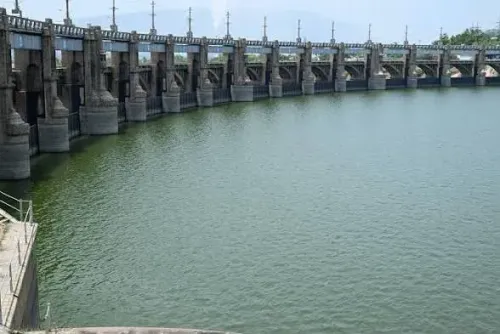
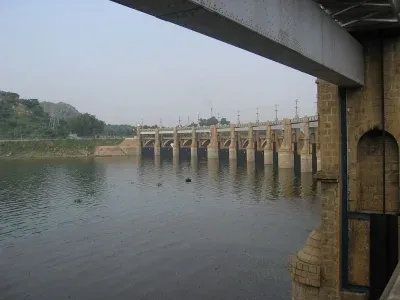
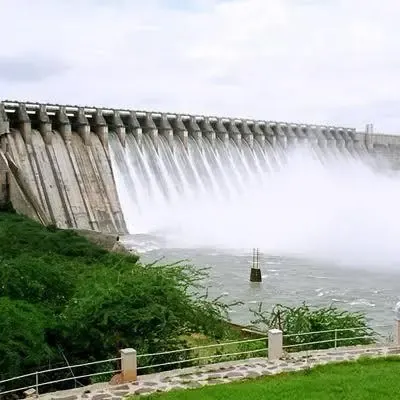
Kabini Dam, situated across the Kapila River near Beechanahalli in H.D. Kote taluk of Mysuru district, has been releasing water on the directions of the Cauvery Water Management Authority (CWMA). Over nine days between 13 August and Friday, approximately 4.95 thousand million cubic feet (TMC) of water was discharged toward Tamil Nadu.
The continuous outflow caused the reservoir's water level to drop by nearly seven feet during this period. The level, which stood at 2,282 feet on 13 August, had receded to 2,275.56 feet by 8 am on Friday, against a maximum elevation of 2,284 feet. The reservoir held roughly 14.57 TMC against a total capacity of 19.52 TMC. Notably, Kabini's inflow of 7,184 cusecs was considerably below its outflow of 12,940 cusecs, indicating the reservoir is drawing down its stored reserves.
KRS Reservoir Levels
The KRS reservoir, built across the Cauvery near Kannambadi in Srirangapatna taluk of Mandya district, recorded a water level of 108.95 feet at 8 pm on Friday, against a maximum level of 124.80 feet. The dam was receiving an inflow of 1,551 cusecs while maintaining an outflow of 2,000 cusecs.
Tourist Restrictions at Hogenakkal
The Dharmapuri district administration has maintained a ban on coracle operations at Hogenakkal as a precautionary measure to safeguard tourists amid the elevated river flow. Restrictions on tourist activities, particularly coracle rides, will remain in force until water levels recede to safer limits. Authorities are continuing to monitor conditions at Hogenakkal and other locations along the Cauvery.
Point of View
Drawing down stored water at a pace that has already cost it seven feet of elevation in nine days. That is not routine monsoon management — it reflects the binding authority of the Cauvery Water Management Authority over Karnataka's operational discretion. With Kabini holding only 14.57 TMC against a 19.52 TMC capacity, and inflows well below outflows, the sustainability of current release rates will come under scrutiny if monsoon replenishment does not accelerate. The inter-state Cauvery dispute has historically flared at precisely such inflection points.
NationPress
22 Aug 2026
Frequently Asked Questions
Why has the Cauvery inflow at Hogenakkal risen to 12,000 cusecs?
The rise is a direct result of sustained water releases from Karnataka's Kabini and KRS reservoirs, which together discharged 14,940 cusecs into the Cauvery system. The Cauvery Water Management Authority directed these releases, and the increased outflow reached Hogenakkal in Tamil Nadu on 22 August.
How much water has Karnataka released to Tamil Nadu from Kabini?
Kabini released approximately 4.95 TMC of water to Tamil Nadu over nine days between 13 August and 22 August. This sustained discharge caused the reservoir's water level to fall by nearly seven feet, from 2,282 feet to 2,275.56 feet.
What is the current water level at KRS and Kabini reservoirs?
As of Friday evening, KRS stood at 108.95 feet against a maximum of 124.80 feet. Kabini's level was 2,275.56 feet as of 8 am Friday, against a maximum elevation of 2,284 feet, with 14.57 TMC stored out of a total capacity of 19.52 TMC.
Why are coracle rides banned at Hogenakkal?
The Dharmapuri district administration imposed a ban on coracle operations as a precautionary safety measure for tourists, given the elevated river flow of 12,000 cusecs at Hogenakkal. The ban will remain until water levels recede to safer limits.
Where is the Cauvery cross-border flow being measured?
Officials of the Central Water Commission are monitoring the flow at Biligundlu on the Tamil Nadu-Karnataka border, which is the designated gauging point for measuring the quantity of Cauvery water entering Tamil Nadu from Karnataka.