DMK expands district units to 110, sets age and tenure caps for office-bearers
Synopsis
The DMK has approved its most sweeping internal reorganisation in years — expanding party districts from 77 to 110, capping office-bearer ages and terms at every level, and aligning party geography with Assembly constituencies. The overhaul, authorised by M.K. Stalin, is designed to sharpen grassroots machinery as the party approaches its centenary.
Key Takeaways
The DMK executive committee on 22 August approved expanding party districts from 77 to 110 .
Age caps introduced: branch secretaries must be 45 or below ; ward secretaries 50 or below ; panchayat/area/town/union secretaries 60 or below ; district secretaries below 70 .
All secretaries from branch to union level are limited to two terms ; district secretaries to three terms .
New urban branch structures will first be rolled out in Chennai, Coimbatore, Madurai, Tiruchirappalli, and Salem .
Party president M.K.
Stalin has been authorised to announce constituencies for each of the 110 new districts .
District executive committees must constitute lower units within 15 days of the new districts being announced.
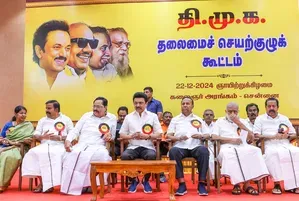
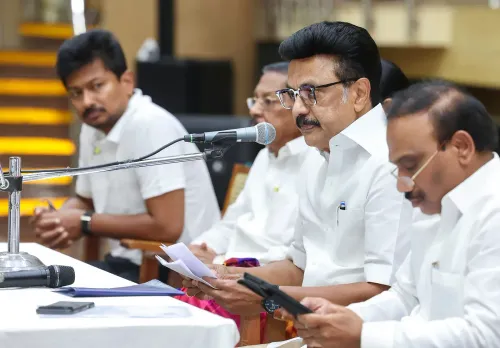
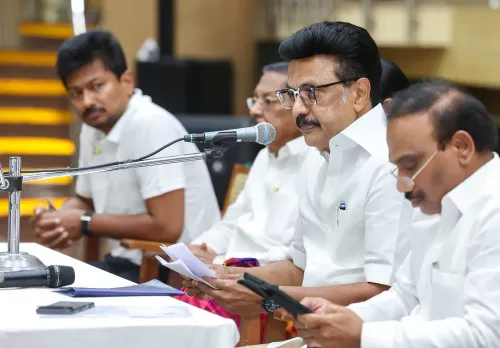
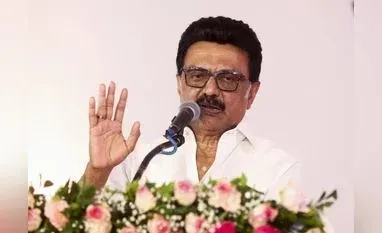
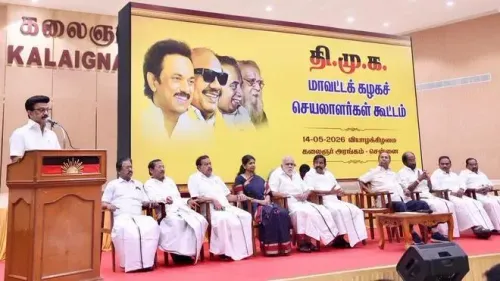
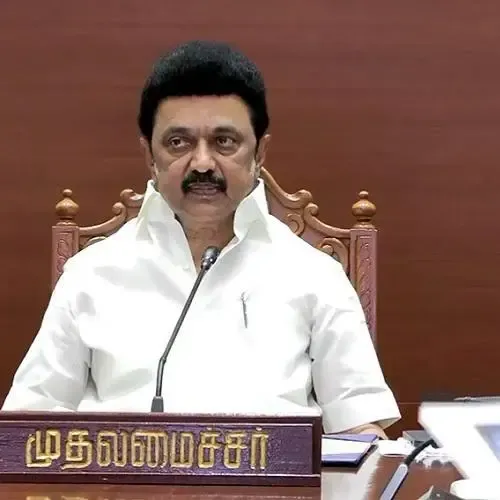
The Dravida Munnetra Kazhagam (DMK) executive committee on Saturday, 22 August approved a comprehensive organisational overhaul, raising the number of party districts from 77 to 110 and imposing age and tenure limits on office-bearers across all levels. The decisions were taken at a meeting chaired by party president M.K. Stalin at Anna Arivalayam in Chennai.
Key Structural Changes
The restructuring was recommended by a committee constituted to revitalise the party organisation as the DMK moves toward its centenary. The changes will be rolled out as part of the party's 16th organisational elections.
The most significant decision is the expansion of district units from 77 to 110. Revenue districts will generally be reorganised so that each party district covers two Assembly constituencies. Where only one constituency remains after reorganisation, it will be attached to another suitable party district within the same revenue district as a third constituency.
Age and Tenure Limits by Level
The new rules introduce structured caps across the party hierarchy. Branch secretaries must be aged 45 or below and can serve a maximum of two terms. Ward secretaries must not be older than 50 and are similarly limited to two terms. For panchayat, area, town, and union secretaries, the maximum age is fixed at 60, with a two-term ceiling. District secretaries must be below 70 and may serve up to three terms.
Urban Restructuring and Voter Benchmarks
A new branch-level structure and the post of branch secretary will be created in urban areas, initially introduced in Chennai, Coimbatore, Madurai, Tiruchirappalli, and Salem, with potential extension to other corporations later.
Ward-level units in Chennai will be organised around an average of 10,000 voters, while those in other cities will cover approximately 5,000 voters. Area units in Chennai should cover about 40,000 voters, against roughly 30,000 in other cities. Town units will be created for every 40,000 voters and union units for every 30,000 voters.
Panchayat and Union Reorganisation
The party also resolved to reorganise union units on the basis of panchayat unions. No panchayat will be split across two different party unions, and every union must fall entirely within a single Assembly constituency — a move aimed at tightening the link between party geography and electoral geography.
Implementation Timeline
Stalin has been authorised to determine and announce the constituencies falling within each of the 110 new district units. Once the new districts are declared, district executive committees must convene and constitute union, city, area, town, ward, and branch units within 15 days. The resulting lists must be approved in the presence of a headquarters representative and forwarded to the party leadership for final clearance. The executive committee urged all functionaries to ensure prompt implementation of the resolutions.
The restructuring marks the DMK's most systematic internal reorganisation in recent years, signalling the party's intent to sharpen its grassroots machinery ahead of future electoral cycles.
Point of View
Aligning party geography with Assembly constituencies tightens accountability between local functionaries and electoral outcomes, something the DMK will need as it manages incumbency pressure in Tamil Nadu. The real test will be whether Stalin's personal authority to redraw the 110-district map is used to balance factional interests or entrench loyalists — a question the party's centenary moment will eventually answer.
NationPress
22 Aug 2026
Frequently Asked Questions
What is the DMK's organisational restructuring announced on 22 August?
The DMK executive committee approved a sweeping overhaul that expands party districts from 77 to 110, introduces age and tenure limits for office-bearers at all levels, and creates new urban branch structures in five major cities. The changes will be implemented through the party's 16th organisational elections.
What are the new age and tenure limits for DMK office-bearers?
Branch secretaries must be 45 or below with a two-term limit; ward secretaries 50 or below with two terms; panchayat, area, town, and union secretaries 60 or below with two terms; and district secretaries below 70 with a maximum of three terms.
Why is the DMK expanding its district units from 77 to 110?
The expansion is aimed at revitalising the party's grassroots structure as it approaches its centenary. Each new party district will generally cover two Assembly constituencies, tightening the link between party organisation and electoral geography.
Which cities will first get the new urban branch structure?
The new branch-level structure and the post of branch secretary will initially be introduced in Chennai, Coimbatore, Madurai, Tiruchirappalli, and Salem, with potential extension to other municipal corporations later.
What happens after the 110 new party districts are announced?
Once M.K. Stalin announces the constituencies within each of the 110 districts, district executive committees must meet and constitute all lower units — union, city, area, town, ward, and branch — within 15 days, subject to final clearance from party leadership.