Ethanol blending policy hurting consumers, disrupting sugar supply: Gehlot
Synopsis
Former Rajasthan CM Ashok Gehlot has accused the Modi government of rolling out its ethanol blending programme without adequate preparation, pointing to a Rs 14-17 per kg sugar price jump in just 15 days, rising complaints of vehicle engine damage, and pollution fears near distilleries — demanding a full policy review.
Key Takeaways
Former Rajasthan CM Ashok Gehlot criticised the Centre’s large-scale ethanol blending policy on 22 August , calling it poorly planned.
Sugar prices have risen by Rs 14 to Rs 17 per kg in just 15 days , according to Gehlot, due to sugarcane being diverted to ethanol production.
Gehlot alleged that high-ethanol fuel blends are causing vehicle engine damage and reduced mileage , adding to consumer costs.
Environmental concerns over air and water pollution from ethanol production units were also raised.
Gehlot called for a comprehensive review of the Ethanol Blended Petrol (EBP) programme, weighing its impact on consumers, sugar supply, and the environment.
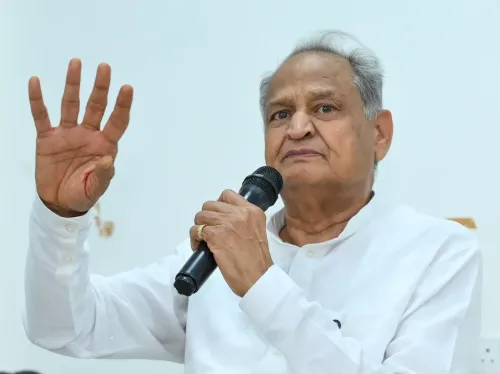
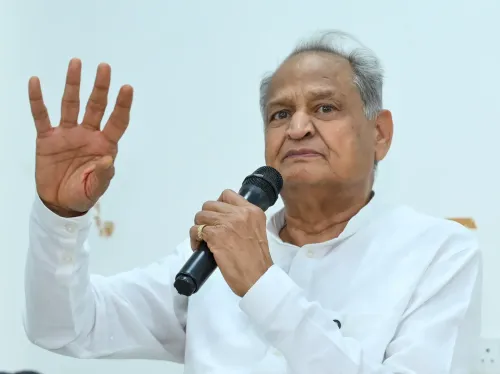
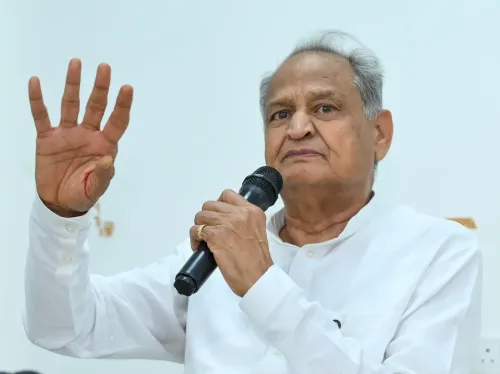
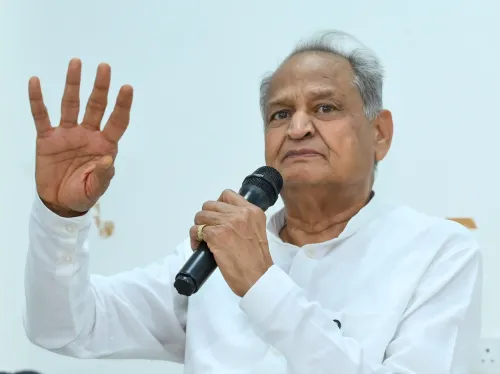
Former Rajasthan Chief Minister Ashok Gehlot on 22 August launched a sharp attack on the Narendra Modi government over its large-scale ethanol blending policy, alleging that the decision was implemented without adequate preparation and that ordinary citizens are now bearing the consequences across multiple fronts.
What Gehlot Said
Gehlot argued that diverting sugarcane towards ethanol production has squeezed sugar availability in the market. “In just 15 days, sugar prices have increased by Rs 14 to Rs 17 per kg,” he said, describing the price spike as a direct fallout of poor policy planning. He called it “another example of the Modi government’s shortsightedness and wrong decisions.”
Impact on Vehicle Owners and Consumers
Beyond inflation, Gehlot alleged that high-ethanol fuel blends are generating complaints of vehicle engine damage and reduced mileage, compounding the financial strain on everyday consumers who are already spending more at the pump. “This is nothing short of looting the hard-earned money of the common man,” he said. Critics argue that the rollout lacked the technical groundwork needed to protect older vehicle fleets not designed for high-ethanol blends.
Pollution Concerns and Industrial Beneficiaries
Gehlot also raised environmental red flags, alleging that ethanol production units are generating complaints of air and water pollution in their vicinity. He further alleged that while a handful of industrialists and the government stand to gain from the ethanol programme, the costs are being socialised onto ordinary citizens. The former Chief Minister stopped short of naming specific beneficiaries.
Call for Policy Review
Gehlot called for a comprehensive review of the ethanol blending policy, urging the Centre to weigh its impact on consumers, sugar availability, vehicle owners, and the environment before proceeding further. He alleged that the Modi government has lost public trust and is therefore unable to persuade citizens of the merits of its decisions. “The central government has taken such a decision without making adequate preparations, and the people of the country are now paying the price,” he said.
Background and Context
India has been aggressively scaling up its Ethanol Blended Petrol (EBP) programme, with the Centre targeting 20% ethanol blending in petrol by 2025. The policy is designed to reduce crude oil import dependence and support sugarcane farmers. However, it has periodically drawn criticism when sugar supplies tighten, as diversion of cane juice and B-heavy molasses to distilleries reduces the feedstock available for sugar milling. Gehlot’s remarks come amid a broader Opposition offensive against the government’s energy and food-price management record.
Point of View
But the underlying tensions in the ethanol programme are real. India’s push toward 20% blending by 2025 has always carried a structural risk: sugarcane is both a food feedstock and an energy feedstock, and when diversion tips too far, retail sugar prices feel it first. The vehicle-damage complaints deserve independent scrutiny — older two-wheelers and carburettor-based engines are genuinely vulnerable to high-ethanol blends, a concern that regulators have acknowledged but not fully resolved. What mainstream coverage misses is that the beneficiaries of the EBP programme — large integrated sugar-cum-distillery conglomerates — are also among India’s most politically connected industrial groups, making a dispassionate policy review harder than it should be.
NationPress
22 Aug 2026
Frequently Asked Questions
What is Ashok Gehlot’s criticism of the ethanol blending policy?
Gehlot has alleged that the Modi government implemented large-scale ethanol blending with petrol without adequate preparation, resulting in a sugar price spike of Rs 14-17 per kg in 15 days, complaints of vehicle engine damage, and pollution concerns near distilleries. He has demanded a comprehensive policy review.
How has ethanol blending affected sugar prices in India?
According to Gehlot, diverting sugarcane towards ethanol production has reduced sugar availability in the market, pushing prices up by Rs 14 to Rs 17 per kg within 15 days. Sugar and ethanol compete for the same sugarcane feedstock, so aggressive blending targets can tighten domestic sugar supply.
What is India’s Ethanol Blended Petrol (EBP) programme?
The EBP programme is a government initiative to blend ethanol derived from sugarcane and other agricultural sources into petrol, with a target of 20% blending by 2025. It aims to cut crude oil imports and support farmers, but critics say rapid scaling without infrastructure readiness creates consumer and supply-chain risks.
Are there vehicle safety concerns with high-ethanol fuel blends?
Gehlot cited complaints of vehicle engine damage and reduced fuel mileage linked to high-ethanol blends. Older vehicles and two-wheelers with carburettor-based engines are reportedly more susceptible, as they were not designed for fuel with high ethanol content.
What has Gehlot demanded from the central government?
Gehlot has called for a comprehensive review of the ethanol blending policy, urging the Centre to assess its impact on consumers, sugar availability, vehicle owners, and the environment before expanding the programme further.