PNGRB clears 1,800-km LPG pipeline network worth ₹7,000 crore across 6 states
Synopsis
India's oil regulator has greenlit its largest single-round LPG pipeline expansion in recent memory — three new corridors totalling 1,800 km and ₹7,000 crore, all assigned to GAIL, that will grow the national network by nearly a quarter. The move targets a structural shift away from road-based LPG transport, with direct implications for logistics costs, road safety, and carbon emissions across six states.
Key Takeaways
PNGRB has authorised nearly 1,800 km of new LPG pipeline infrastructure worth approximately ₹7,000 crore .
Three pipelines approved: Cherlapally–Nagpur (556 km) , Jhansi–Sitarganj (611 km) , and Shikrapur–Goa–Hubballi (633 km) .
All three projects are authorised for development by GAIL (India) Ltd .
India's total authorised LPG pipeline network will rise from 7,700 km to 9,500 km — a 23.5% expansion.
The projects span six states : Telangana, Maharashtra, Uttar Pradesh, Uttarakhand, Karnataka, and Goa.
The pipelines are designed to reduce LPG road transport, cutting logistics costs, congestion, and carbon emissions.
The Petroleum and Natural Gas Regulatory Board (PNGRB) has authorised the construction of nearly 1,800 km of new LPG pipeline infrastructure across six states, entailing an estimated investment of approximately ₹7,000 crore. The approvals, aimed at bolstering India's energy security and LPG supply chain resilience, cover projects in Telangana, Maharashtra, Uttar Pradesh, Uttarakhand, Karnataka, and Goa.
The Three Pipeline Projects
The authorised network comprises three distinct corridors. The 556-km Cherlapally (Telangana)–Nagpur (Maharashtra) pipeline will connect the southern interior to central India. The 611-km Jhansi (Uttar Pradesh)–Sitarganj (Uttarakhand) pipeline will serve the northern hinterland. The third, a 633-km Shikrapur (Maharashtra)–Goa and Hubballi (Karnataka) pipeline, will link the western coast to the Deccan plateau. All three projects have been authorised for development by GAIL (India) Ltd.
How India's LPG Network Will Expand
Once these pipelines are commissioned, India's total PNGRB-authorised common-carrier LPG pipeline network will grow from approximately 7,700 km to around 9,500 km — an increase of nearly 23.5%. The latest approvals build on the earlier authorisation of the Kandla–Gorakhpur LPG Pipeline, which at roughly 2,757 km remains the country's longest LPG pipeline.
Why Pipelines Over Road Transport
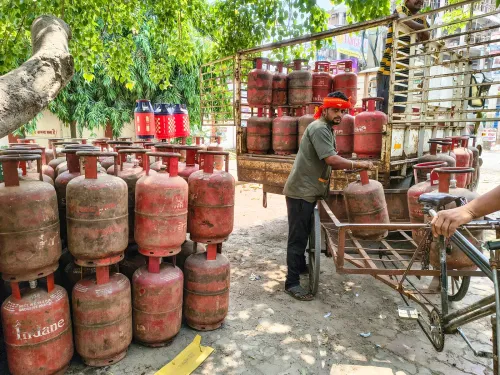
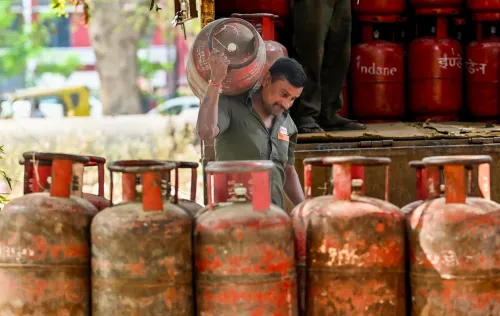
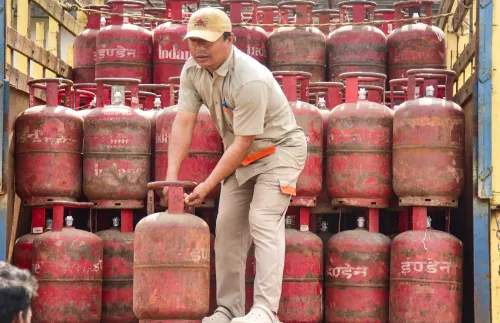
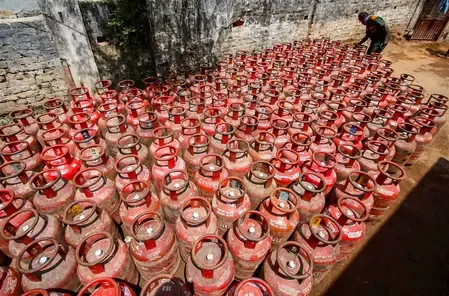
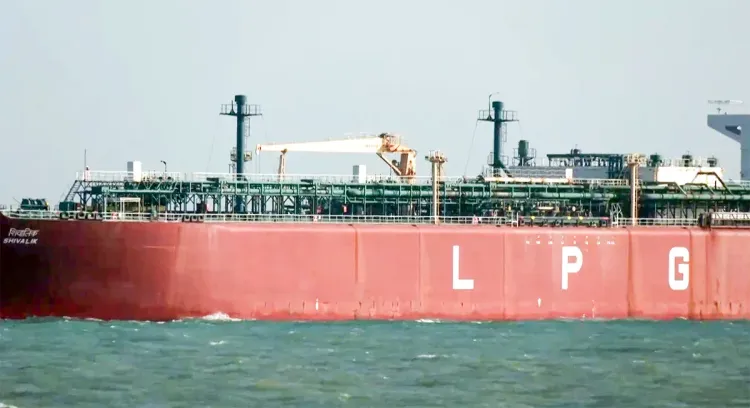
India sources a significant share of its LPG demand through imports at coastal terminals, making inland distribution a critical logistical challenge. According to PNGRB, pipeline transportation is globally recognised as the safest, most economical, and environmentally sustainable mode of moving LPG. The regulator has stated it is actively working toward eliminating the primary movement of LPG by road to bottling plants.
The new pipelines are expected to substantially reduce LPG tank truck traffic on highways, delivering multiple downstream benefits: improved road safety, lower logistics costs, reduced traffic congestion, and a meaningful decline in carbon emissions through the modal shift from road to pipeline.
Strategic Significance for India's Energy Security
The expansion is part of a broader national push to strengthen inland energy infrastructure at a time when LPG demand continues to rise, driven by the Pradhan Mantri Ujjwala Yojana and rising household consumption. Notably, this is the most significant single-round expansion of the LPG pipeline network in recent years, adding nearly a quarter to existing authorised capacity. With commissioning timelines yet to be publicly detailed, industry observers will watch GAIL's execution pace closely — particularly given that large-scale pipeline projects in India have historically faced land acquisition and right-of-way delays.
Point of View
But the real test is execution. Large pipeline projects in India have a well-documented history of land acquisition bottlenecks and right-of-way disputes that push commissioning timelines years beyond initial estimates. GAIL has the technical depth, but the six-state footprint of these corridors — crossing densely populated UP and Maharashtra — makes that risk non-trivial. More critically, the 23.5% network expansion is welcome, yet India's LPG import dependency means coastal terminal capacity and last-mile bottling infrastructure must scale in lockstep; a pipeline alone does not resolve the full supply-chain equation.
NationPress
22 Aug 2026
Frequently Asked Questions
What LPG pipeline projects has PNGRB approved?
PNGRB has authorised three LPG pipeline projects totalling nearly 1,800 km: the 556-km Cherlapally–Nagpur pipeline, the 611-km Jhansi–Sitarganj pipeline, and the 633-km Shikrapur–Goa–Hubballi pipeline. The combined investment is estimated at approximately ₹7,000 crore.
Who will build the new LPG pipelines?
All three pipeline projects have been authorised for development by GAIL (India) Ltd, the state-owned natural gas company. No commissioning timeline has been publicly announced yet.
How much will India's LPG pipeline network grow after these projects?
Once completed, India's PNGRB-authorised common-carrier LPG pipeline network will expand from around 7,700 km to approximately 9,500 km, an increase of nearly 23.5%.
Which states will the new LPG pipelines pass through?
The three pipelines will pass through six states: Telangana, Maharashtra, Uttar Pradesh, Uttarakhand, Karnataka, and Goa, connecting key inland markets to coastal import terminals.
Why is India expanding its LPG pipeline network?
India imports a large share of its LPG at coastal terminals and relies heavily on road tankers for inland distribution. Pipelines are considered safer, cheaper, and more environmentally sustainable, and PNGRB has stated a policy objective of eliminating primary LPG movement by road to bottling plants.