FSSAI bans Everest, Laljee Godhoo hing powder sales over safety failures
Synopsis
India's food regulator has barred two major hing powder brands — Everest Food Products and Laljee Godhoo — from selling compounded asafoetida after tests found one Everest sample had zero per cent alcoholic extract against a mandatory 5 per cent minimum. The ban is immediate, and both firms must submit rectification plans or face further legal action.
Key Takeaways
FSSAI has banned Everest Food Products Private Limited and Laljee Godhoo from selling compounded asafoetida (hing powder) with immediate effect.
An Everest hing sample recorded 0 per cent alcoholic extract — against a prescribed minimum of 5 per cent .
Yellow Hing Powder and Black Hing Powder from Everest showed alcoholic extracts of 3.29 per cent and 4.4 per cent respectively, both below standard.
Laljee Godhoo products were found sub-standard in both powder and lump forms, with raw hing containing excess starch beyond the 1 per cent regulatory limit.
Both firms have been directed to submit rectification action plans; further legal action will follow if compliance is not established.
The Food Safety and Standards Authority of India (FSSAI) has banned the sale of compounded asafoetida (hing powder) by Everest Food Products Private Limited and Laljee Godhoo, citing sub-standard, misbranded, and adulterated products found during surveillance and legal sampling. The prohibition orders, issued under the Food Safety and Standards Act, 2006, take effect immediately until further notice.
What the Tests Found
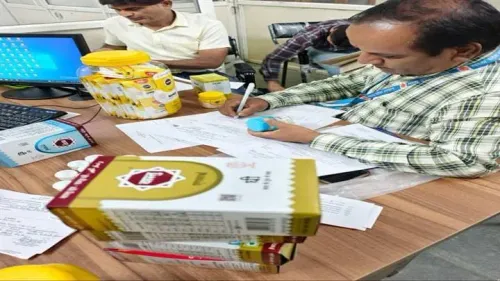
In the case of Everest Food Products, a Food Analyst at the primary food laboratory found samples of compounded asafoetida to be misbranded and sub-standard. One sample recorded an alcohol-soluble extract of 0 per cent — against the prescribed minimum of 5 per cent. Yellow Hing Powder and Black Hing Powder variants fared only marginally better, with alcoholic extract levels of 3.29 per cent and 4.4 per cent respectively, both below the regulatory threshold.
FSSAI also noted that previous compliance reviews of Everest's other products — including Chicken Masala, Garam Masala, and Egg Curry Powder — had identified labelling-related non-compliances, pointing to a pattern of regulatory failures across the brand's portfolio.
Laljee Godhoo's Violations
For Laljee Godhoo, samples of compounded hing in both powder and lump forms were found non-conforming. The regulator also flagged the raw hing varieties used in manufacturing: they were found to contain excess starch, breaching the FSSAI norm that starch content must not exceed 1 per cent by weight. The violations were deemed pervasive across batches, based on market surveillance, legal sampling, and raw material test reports.
Regulatory Action and Next Steps
FSSAI announced the prohibition orders via its official account on social media platform X. Both firms have been directed to submit rectification action plans and ensure only standard products are manufactured and sold going forward. The regulator warned that further legal action will be initiated if satisfactory compliance is not established.
Why This Matters for Consumers
Hing is a staple spice in Indian households, widely used as a flavouring and digestive aid. Sub-standard alcoholic extract levels suggest that consumers may have been purchasing products that do not meet the quality benchmarks set for genuine asafoetida. This is not the first time Everest has faced regulatory scrutiny — the brand's products have previously drawn attention from food safety authorities in other jurisdictions as well. The latest action signals that FSSAI is intensifying enforcement across the spice and condiment sector, an industry that has faced growing scrutiny over adulteration and mislabelling.
Point of View
Not an isolated batch failure. The regulator's credibility now rests on whether the action plans it demands are independently verified or quietly shelved.
NationPress
29 Aug 2026
Frequently Asked Questions
Why has FSSAI banned Everest and Laljee Godhoo hing powder?
FSSAI banned both brands after surveillance and legal sampling found their compounded asafoetida products to be sub-standard, misbranded, or adulterated. Key violations included alcoholic extract levels far below the prescribed 5 per cent minimum and, in Laljee Godhoo's case, excess starch in raw hing beyond the 1 per cent regulatory limit.
What is the alcoholic extract standard for hing powder in India?
FSSAI regulations require that compounded asafoetida contain a minimum of 5 per cent alcohol-soluble extract. This parameter is used to verify the presence and quality of the active resin compound in hing. Products falling below this threshold are classified as sub-standard.
Are Everest spices products completely banned?
No. The FSSAI prohibition order specifically covers compounded asafoetida (hing powder) and its variants sold by Everest Food Products. The ban does not extend to all Everest products, though previous compliance reviews had flagged labelling issues with Chicken Masala, Garam Masala, and Egg Curry Powder.
What happens next for Everest and Laljee Godhoo?
Both firms have been directed to submit action plans for rectification and must ensure only standard products are manufactured and sold. FSSAI has warned that further legal action under the Food Safety and Standards Act, 2006 will be initiated if satisfactory compliance is not established.
Is it safe to use hing powder from these brands currently at home?
FSSAI has not issued a formal recall order in the available information, but the sale of these products has been prohibited with immediate effect. Consumers who have purchased compounded hing from Everest or Laljee Godhoo may wish to check product labels and monitor official FSSAI advisories for further guidance.