PM Modi heads to Uzbekistan and Kyrgyzstan for bilateral visits
Synopsis
Prime Minister Narendra Modi is visiting Uzbekistan and the Kyrgyz Republic for bilateral talks with President Shavkat Mirziyoyev, a stop at the Shastri Memorial in Tashkent, and engagements at the Mahatma Gandhi Centre — continuing India's sustained Central Asian diplomatic outreach.
Key Takeaways
PM Narendra Modi announced a multi-day visit to Uzbekistan and the Kyrgyz Republic starting late August 2026 .
Bilateral talks with President Shavkat Mirziyoyev in Tashkent are the centrepiece of the Uzbekistan leg.
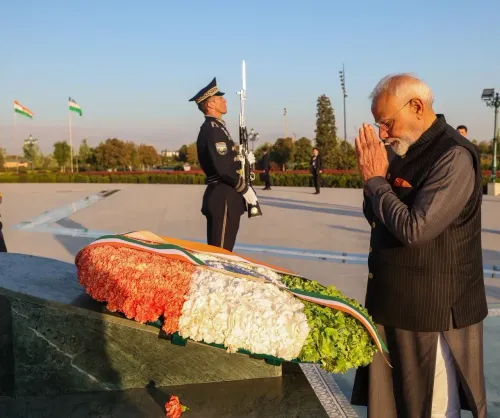
Modi will visit the Shastri Memorial , honouring PM Lal Bahadur Shastri who died in Tashkent in 1966 after the Tashkent Declaration.
The Mahatma Gandhi Centre visit underscores India's soft-power and cultural diplomacy in Central Asia.
India has been a full member of the Shanghai Cooperation Organisation (SCO) since 2017 , anchoring its institutional ties with both countries.
Connectivity corridors such as the INSTC and trade in pharmaceuticals, IT, and defence training are key bilateral priorities with Uzbekistan.
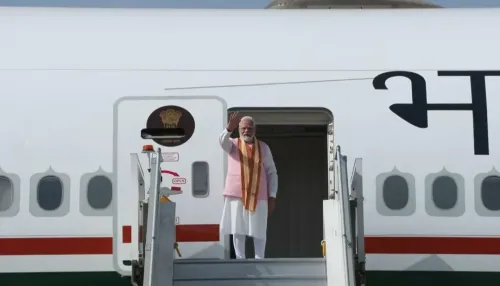
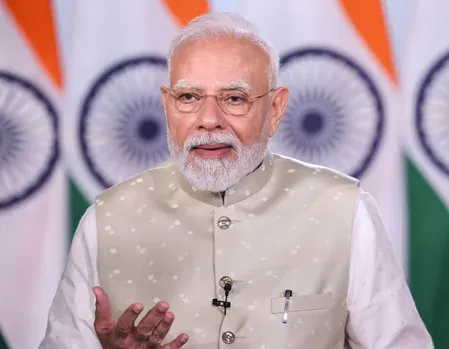
From the Silk Road's ancient crossroads to the hall where India's history turned in 1966, Prime Minister Narendra Modi is taking Indian diplomacy back to Central Asia. On Saturday, 29 August 2026, the Prime Minister announced a multi-day visit to Uzbekistan and the Kyrgyz Republic, anchored by bilateral talks and a stop at one of the subcontinent's most poignant overseas memorials.
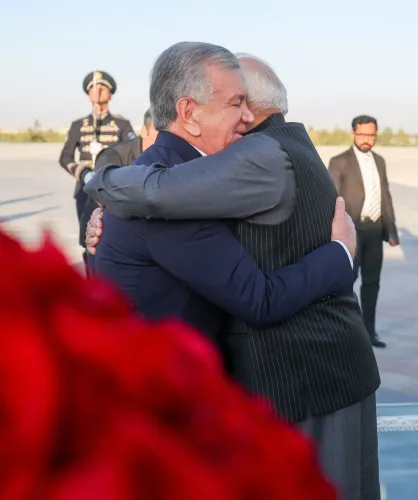
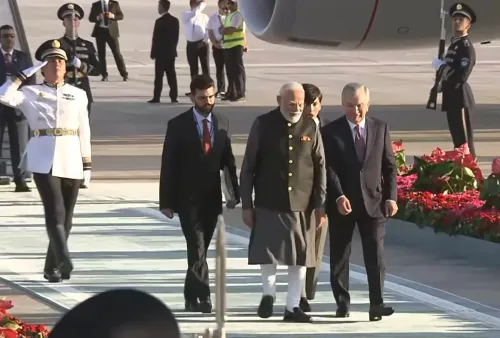
Tashkent talks with Mirziyoyev at the centre
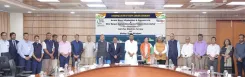
The headline engagement is a bilateral meeting with President Shavkat Mirziyoyev in Tashkent. Mirziyoyev, who has led Uzbekistan since 2016, has steadily pushed economic liberalisation and deepened ties with New Delhi across pharmaceuticals, IT services, and defence training. Modi's visit signals that India sees Uzbekistan as a strategic anchor in a region where energy corridors, trade routes, and security architectures are all in active negotiation.
The two leaders are expected to review the full spectrum of bilateral cooperation. Analysts will be watching closely for any new pacts on connectivity — particularly India's push to advance the International North-South Transport Corridor (INSTC), which runs through Central Asia and offers an alternative route to European and Russian markets.
A stop at the Shastri Memorial — history embedded in the itinerary
Perhaps the most emotionally resonant moment of the Tashkent leg will be Modi's visit to the Shastri Memorial and the Mahatma Gandhi Centre. Lal Bahadur Shastri, India's second Prime Minister, died in Tashkent on 11 January 1966, hours after signing the Tashkent Declaration that ended the 1965 India-Pakistan war. His death on foreign soil remains one of independent India's most haunting moments. The memorial visit is not ceremonial filler — it is a deliberate act of diplomatic memory, reminding Central Asian partners of the depth of India's historical presence in the region.
The Mahatma Gandhi Centre, a cultural and educational hub, reflects India's broader soft-power strategy: language instruction, cultural exchange, and people-to-people links that outlast any single government.
Kyrgyzstan and the pattern of Central Asian engagement
After Uzbekistan, the Prime Minister moves to the Kyrgyz Republic, where India's ties are built primarily on military education and training cooperation, alongside growing people-to-people exchanges. The full programme for the Bishkek leg has not been detailed in the announcement.
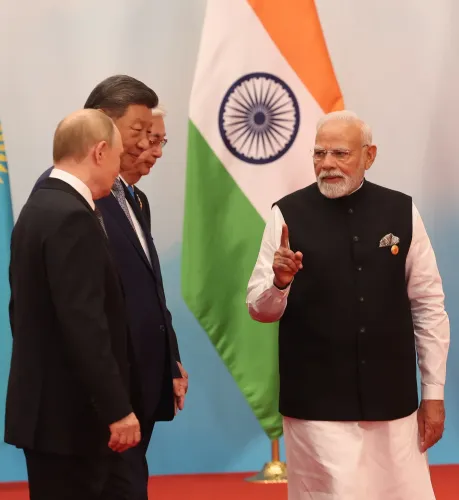
This visit fits a deliberate strategic pattern. Modi made a landmark sweep of all five Central Asian republics in July 2015, the first Indian Prime Minister to do so in a single trip. India's accession to the Shanghai Cooperation Organisation (SCO) as a full member in 2017 then institutionalised regular high-level engagement with both Uzbekistan and Kyrgyzstan. Each visit since has layered on trade, security, and cultural threads — this one is no different.
Central Asia is no longer a diplomatic afterthought for New Delhi. It sits at the intersection of India's energy ambitions, its competition with China for regional influence, and its desire to build trade corridors that bypass traditional chokepoints. Modi's return to Tashkent and Bishkek is a reminder that this engagement is sustained, not episodic.
Point of View
Reinforcing the narrative that India's Central Asian presence predates the current geopolitical competition. The Kyrgyz leg, though less detailed, signals that New Delhi is treating the region as a whole rather than cherry-picking only its most economically significant partners.
NationPress
29 Aug 2026
Frequently Asked Questions
Why is PM Modi visiting Uzbekistan?
PM Modi is visiting Uzbekistan for bilateral talks with President Shavkat Mirziyoyev in Tashkent to strengthen India-Uzbekistan ties in trade, defence, and connectivity, and to visit the Shastri Memorial and Mahatma Gandhi Centre.
What is the Shastri Memorial in Tashkent?
The Shastri Memorial in Tashkent commemorates India's second Prime Minister, Lal Bahadur Shastri, who died in the Uzbek capital on 11 January 1966, hours after signing the Tashkent Declaration that ended the 1965 India-Pakistan war.
What are India's main interests in Central Asia?
India's key interests in Central Asia include energy security, advancing the International North-South Transport Corridor (INSTC), trade in pharmaceuticals and IT services, defence training cooperation, and cultural diplomacy through institutions like the Mahatma Gandhi Centre.
When did India join the Shanghai Cooperation Organisation?
India became a full member of the Shanghai Cooperation Organisation (SCO) in 2017, which institutionalised regular high-level engagement with Central Asian states including Uzbekistan and Kyrgyzstan.
Has PM Modi visited Central Asia before?
Yes. In July 2015, Modi became the first Indian Prime Minister to visit all five Central Asian republics — Kazakhstan, Kyrgyzstan, Tajikistan, Turkmenistan, and Uzbekistan — in a single trip, signalling a strategic reset in India's engagement with the region.