Rajasthan civic polls: BJP tightens candidate talks, sets up damage-control team
Synopsis
The BJP is in full damage-control mode ahead of Rajasthan's civic elections — senior leaders have met in Jaipur to finalise division-wise candidates while a dedicated team works to prevent rebels from splitting votes. The warning of disciplinary action alongside appeals for patience tells the real story: ticket distribution has already unsettled the ranks.
Key Takeaways
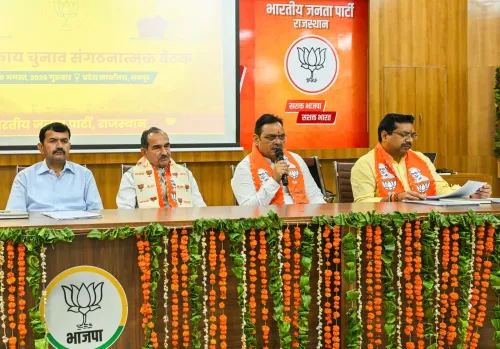
BJP senior leaders met at the party's state headquarters in Jaipur on 29 August to discuss division-wise candidates for the Rajasthan civic elections .
Chief Minister Bhajanlal Sharma , Union Minister Gajendra Singh Shekhawat , and three state ministers participated in the deliberations.
The party has constituted a damage-control team to address grievances and persuade dissatisfied workers and leaders.
Prabhulal Saini , Jaipur division in-charge, warned of disciplinary action against those who openly rebel or engage in indiscipline.
The BJP is considering candidates recommended by sitting MLAs as well as previously defeated candidates to project inclusiveness.
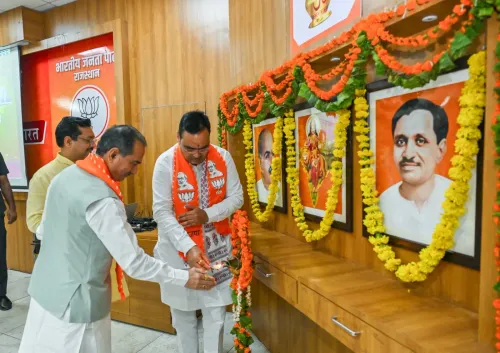
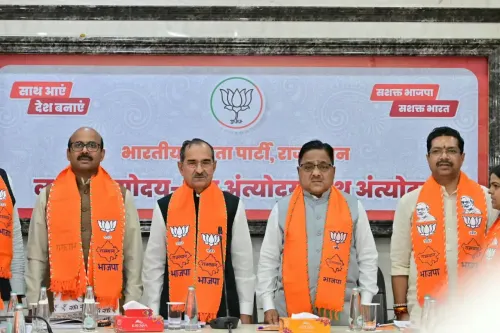
The Bharatiya Janata Party (BJP) has intensified preparations for the upcoming Rajasthan civic elections, with senior leaders convening at the party's state headquarters in Jaipur on 29 August to finalise division-wise candidates and put in place mechanisms to contain rebellion over ticket distribution. The meeting signals that the party is moving into execution mode even as internal dissatisfaction over candidate choices threatens organisational unity.
Key Deliberations at Jaipur Meeting
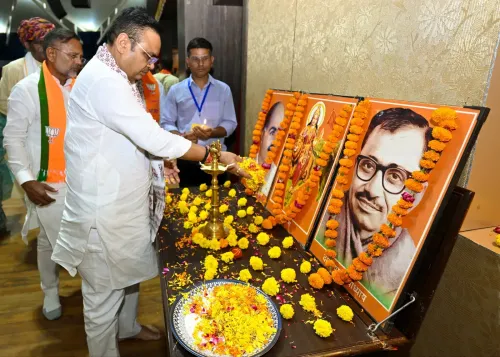
Chief Minister Bhajanlal Sharma, Union Minister Gajendra Singh Shekhawat, and state ministers Joraram Kumawat, Otaram Dewasi, and Kanhaiya Lal Choudhary participated in the discussions. The talks covered division-wise candidate lists, with the leadership keen to balance the interests of sitting MLAs, previously defeated candidates, and long-serving party workers.
Minister Joraram Kumawat said the BJP was confident of forming boards in the civic elections and that candidate selection would be decided collectively, with priority accorded to dedicated party workers. Chief Minister Sharma also joined the deliberations as the finalisation process gathered pace.
Rebellion Risk and Damage Control
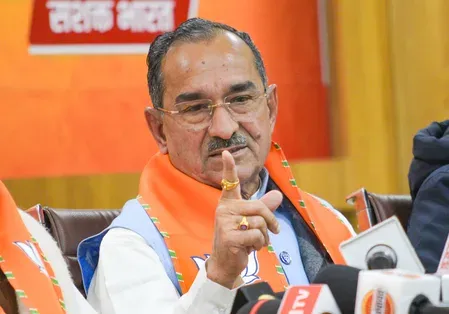
The ticket-allocation exercise has already triggered resentment among several workers and aspirants. Former minister and Jaipur division in-charge Prabhulal Saini appealed for patience, saying dissatisfaction followed by withdrawal of objections was a routine feature of electoral cycles. He urged workers to recognise that civic polls were not their last opportunity for political advancement.
Saini confirmed that the BJP has constituted a dedicated damage-control team to address grievances and persuade disgruntled workers before and after the formal announcement of candidates. He also warned that disciplinary action would follow any open rebellion or indiscipline — a signal that the leadership intends to draw a firm line even as it attempts conciliation.
Inclusiveness as a Strategic Signal
The BJP leadership is reportedly trying to project inclusiveness by factoring in recommendations from sitting MLAs alongside candidates who have previously contested elections, including some who suffered defeats. This approach reflects an attempt to keep multiple factions within the tent rather than risk a wave of rebel candidacies that could split votes and cost the party civic board seats.
Notably, civic elections in Rajasthan have historically seen significant rebel-candidate activity from the BJP, making pre-poll cohesion a recurring organisational challenge for the party in the state.
What Comes Next
With ticket distribution gaining momentum, the BJP's immediate priorities are completing the candidate list, managing dissatisfied aspirants through the damage-control committee, and projecting a unified front. The leadership's ability to hold the organisation together through the announcement phase will be a key indicator of its electoral readiness ahead of the Rajasthan civic elections.
Point of View
Often dismissed as second-tier contests, are in fact critical patronage battlegrounds — and the party's inability to suppress ticket-related resentment quietly suggests that factional pressures have grown since the 2023 assembly win. The simultaneous appeal for patience and threat of disciplinary action is a tension the leadership has not fully resolved: conciliation and coercion rarely work in tandem. If rebel candidates do emerge in significant numbers, the BJP risks handing opposition parties windfalls in wards it should comfortably hold.
NationPress
14 Oct 2026
Frequently Asked Questions
What is the BJP doing ahead of Rajasthan civic elections?
The BJP has been holding division-wise candidate selection meetings at its state headquarters in Jaipur, with senior leaders including Chief Minister Bhajanlal Sharma and Union Minister Gajendra Singh Shekhawat participating. The party has also formed a damage-control team to manage dissatisfied workers and prevent rebel candidacies.
Who attended the BJP candidate-selection meeting in Jaipur on 29 August?
Chief Minister Bhajanlal Sharma, Union Minister Gajendra Singh Shekhawat, and state ministers Joraram Kumawat, Otaram Dewasi, and Kanhaiya Lal Choudhary attended the meeting at the BJP state headquarters in Jaipur.
Why is there a risk of rebellion within the BJP over Rajasthan civic polls?
The ticket-distribution process has triggered resentment among several party workers and aspirants who feel overlooked. Former minister Prabhulal Saini acknowledged the dissatisfaction and said the party has set up a damage-control team to address grievances before and after the formal announcement of candidates.
What action has the BJP warned against rebel candidates?
Prabhulal Saini warned that disciplinary action would be taken against those who openly rebel or engage in indiscipline, even as the party simultaneously attempts to persuade disgruntled aspirants through conciliation.
How is the BJP trying to maintain unity in candidate selection?
The BJP is factoring in recommendations from sitting MLAs and also considering previously defeated candidates to project inclusiveness. Candidate selection is being described as a collective process with priority given to dedicated party workers.