Bharatiya Vayuyan Niyam 2026: New aviation rules from January 1, 2027
Synopsis
India is set to retire a nearly 90-year-old aviation rulebook on January 1, 2027. The Bharatiya Vayuyan Niyam, 2026 — 220 rules across eight chapters — rewrites everything from aircraft certification and DGCA powers to pilot licensing and airfare transparency, with a new fractional ownership framework that could, over time, bring down leasing costs and ease ticket prices.
Key Takeaways
The Bharatiya Vayuyan Niyam, 2026 takes effect on 1 January 2027 , replacing the Aircraft Rules, 1937 .
The framework comprises 220 rules across eight chapters and six schedules , covering registration, airworthiness, licensing, aerodromes, and air navigation.
The DGCA can now issue type certificates for aircraft, engines, and propellers where India is the State of Design .
Fractional ownership of aircraft is formalised, alongside the Cape Town Convention-linked IDERA mechanism for streamlined de-registration and export.
The rules specify 23 categories of licences, ratings, and certificates for aviation personnel, including pilots, flight engineers, and navigators.
Greater airfare transparency and passenger safeguards are mandated, with the Centre retaining powers to intervene in extraordinary circumstances.
India's civil aviation sector will operate under a new regulatory framework from 1 January 2027, when the Bharatiya Vayuyan Niyam, 2026 comes into force, replacing the Aircraft Rules, 1937 — a colonial-era statute that had governed Indian skies for nearly nine decades. The new rules, comprising 220 provisions across eight chapters and six schedules, were detailed in an official explainer issued on 4 November 2026.
Key Provisions at a Glance
The Bharatiya Vayuyan Niyam covers the full spectrum of civil aviation activity — from aircraft design and crew licensing to aerodrome operations and daily flight management. A notable addition is a more structured framework for aircraft design and certification, including acceptance of designs and authorisation for component manufacture. This is intended to strengthen India's standing as a State of Design, a designation that signals sovereign authority over the certification of aircraft and aeronautical products built domestically.
The rules also formalise fractional ownership of aircraft, allowing joint ownership while placing operation and maintenance responsibility under a clearly identified party. This dovetails with the Protection of Interests in Aircraft Objects Act, 2025, which brings the Cape Town Convention framework into Indian law, covering aircraft leasing. The Irrevocable De-registration and Export Request Authorisation (IDERA) mechanism embedded in the rules provides a time-bound process for aircraft de-registration and export — a reform that, according to officials, may gradually reduce aircraft acquisition and leasing costs and ease pressure on airfares over time.
Role of the DGCA
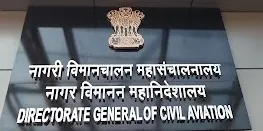
The Directorate General of Civil Aviation (DGCA) gains expanded authority under the new rules. It may issue type certificates for aircraft, engines, and propellers where India is the State of Design, and may validate or accept foreign type certificates under prescribed conditions. The DGCA is also empowered to issue airworthiness directives when an unsafe condition is identified that could affect other products of the same type design. Draft directives will generally be published on the DGCA website for 30 days to invite public objections and suggestions, subject to specified exceptions.
The rules additionally cover certificates of airworthiness, special certificates of airworthiness, and airworthiness review certificates. Aircraft inspections, periodic overhauls, modifications, repairs, and maintenance certification all fall within this regulatory purview.
Personnel Licensing and Training Standards
One of the more detailed sections of the new framework addresses aviation personnel. The rules specify 23 categories of licences, ratings, and certificates, prescribing qualifications, medical fitness standards, training requirements, and competency assessments. Four key personnel groups are covered, including pilots and flight engineers. Licensing pathways for student, private, commercial, and airline transport pilots — as well as flight engineers and flight navigators — are now codified, along with flying-hour requirements, examinations, and competency tests.
Passenger Safeguards and Airline Flexibility
The rules seek to balance commercial flexibility for airlines with passenger protection. Transparency in airfares and ancillary charges is a stated objective, with the new framework requiring greater disclosure to consumers. The Central government retains the ability to intervene with appropriate measures in extraordinary circumstances, a provision that reflects lessons from the COVID-19 period, when ad hoc regulatory interventions were necessary but lacked a clear statutory basis.
What Changes from 1937 to 2026
The Aircraft Rules, 1937 were last significantly amended in a piecemeal fashion across decades, leaving gaps that did not account for turbine-powered commercial jets, low-cost carrier economics, drone operations, or modern leasing structures. The Bharatiya Vayuyan Niyam consolidates and updates these in a single coherent framework. This comes amid India's civil aviation market expanding rapidly — the country is on course to become one of the world's two or three largest aviation markets by passenger volume within this decade, according to industry projections. The timing of the transition, effective from the start of the new calendar year, allows airlines, MRO operators, and training organisations a fixed horizon to align internal compliance processes.
Point of View
But the real test of the Bharatiya Vayuyan Niyam is whether it accelerates India's ambition to become a State of Design — not merely a State of Registration. The IDERA and Cape Town Convention provisions are genuinely consequential for aircraft leasing economics, but the timeline for translating lower leasing costs into lower airfares is vague. The 23-category licensing framework addresses a long-standing gap in personnel standards, yet implementation will depend heavily on whether DGCA's institutional capacity keeps pace with India's rapidly growing airline and MRO sector. The 1937 rules survived this long through amendments; whether this consolidation endures or invites its own rounds of piecemeal revision will depend on how rigorously the new framework is enforced from day one.
NationPress
5 Nov 2026
Frequently Asked Questions
What is the Bharatiya Vayuyan Niyam, 2026?
The Bharatiya Vayuyan Niyam, 2026 is a comprehensive new regulatory framework for India's civil aviation sector, comprising 220 rules across eight chapters and six schedules. It replaces the Aircraft Rules, 1937, and comes into force on 1 January 2027, covering everything from aircraft design and DGCA powers to pilot licensing and passenger fare transparency.
Why are the Aircraft Rules, 1937 being replaced?
The Aircraft Rules, 1937 were a colonial-era framework that did not account for modern commercial jet aviation, low-cost carrier economics, fractional ownership, drone operations, or contemporary aircraft leasing structures. The new rules consolidate and update these provisions into a single, coherent statute suited to India's rapidly growing aviation market.
How do the new rules affect aircraft leasing and airfares?
The Bharatiya Vayuyan Niyam introduces the IDERA mechanism for time-bound aircraft de-registration and export, working alongside the Protection of Interests in Aircraft Objects Act, 2025, which implements the Cape Town Convention in India. Officials say these provisions may reduce aircraft acquisition and leasing costs over time, potentially easing pressure on airfares, though no specific timeline has been given.
What new powers does the DGCA get under the 2026 rules?
The DGCA can now issue type certificates for aircraft, engines, and propellers where India is the State of Design, and can validate or accept foreign type certificates under prescribed conditions. It can also issue airworthiness directives when unsafe conditions are identified, with draft directives published for a 30-day public comment period in most cases.
Who is affected by the new aviation rules?
The rules affect airlines, aircraft manufacturers and MRO operators, aviation training organisations, aerodrome operators, air navigation service providers, and aviation personnel including pilots, flight engineers, and navigators. Passengers also benefit from new airfare transparency and consumer protection provisions.