The Struggles of Domestic Workers in Pakistan's Sindh
Synopsis
Domestic workers in Sindh, Pakistan, face extreme exploitation and neglect due to ineffective laws. The recently proposed 2025 bill aims to safeguard their rights but remains unapproved, leaving millions vulnerable. This article exposes the harsh realities and systemic issues that hinder progress.
Key Takeaways
Domestic workers in Sindh are facing severe exploitation.
Proposed legislation aims to protect their rights but remains unapproved.
There is a pressing need for effective enforcement of labor laws.
The ongoing situation reflects broader economic inequalities in Pakistan.
Child labor laws in Sindh are inconsistent and overlapping.
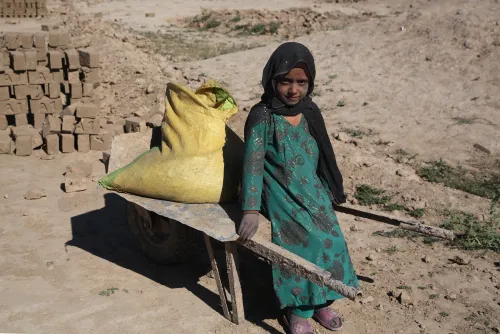
New Delhi, March 4 (NationPress) In Pakistan's Sindh province, domestic workers are among the most desired yet severely mistreated individuals. The persistent disregard for labor laws has perpetuated a troubling culture of child labor, excessive working hours, and insufficient wages that frequently fall below the legal minimum. Disputes are often settled based on power dynamics, as reported by a piece in the Pakistani media.
The government’s initial effort to safeguard these workers was the Sindh Domestic Workers Bill of 2018, aimed at offering specific protections against exploitation. However, this draft bill never transitioned into law. Last year, the Sindh Assembly completed a revised version, the Sindh Domestic Workers Welfare Bill, 2025, as highlighted in an article from The Express Tribune.
Unfortunately, the approval of this latest bill has also been stalled, leaving approximately 1 to 1.2 million domestic workers without legal protection.
The 2025 bill aims to prohibit children under 16 from engaging in domestic work, extend the minimum duration of maternity leave, require dispute resolution through labor courts, mandate written contracts, and set maximum working hours. In theory, this legislation represents a significant step toward protecting domestic workers from abuse and exploitation.
However, skepticism remains regarding its real-world effectiveness. Currently, Sindh has three overlapping child labor laws that impose varying penalties and protections, raising concerns about the government's commitment to actual enforcement rather than mere proposals. The Sindh government must ensure that the 2025 bill does not encounter the same delays that plagued its predecessors. Without this bill's protections, domestic workers are left vulnerable and without recourse in times of need.
The deteriorating situation for these workers is a reflection of the growing inequality and poverty in Pakistan over the past six years, as underscored by a recent report from the country’s Planning Commission. This analysis is based on a comparison of household income levels and distributions from the Household Integrated Economic Survey (HIES) conducted by the Pakistan Bureau of Statistics (PBS) for the years 2018-19 and 2024-25.
Point of View
It is crucial to recognize the systemic failures that contribute to the ongoing exploitation of domestic workers in Pakistan. The proposed legislation, while promising, must be enacted and enforced effectively to bring about real change in the lives of these vulnerable individuals.
NationPress
20 Sept 2026
Frequently Asked Questions
What protections does the Sindh Domestic Workers Welfare Bill, 2025 offer?
The bill aims to prohibit child labor under 16, extend maternity leave, mandate written contracts, and establish labor courts for dispute resolution.
How many domestic workers are currently unprotected in Sindh?
Approximately 1 to 1.2 million domestic workers lack legal protections in Sindh.
What are the main issues faced by domestic workers in Pakistan?
Domestic workers often endure long hours, low wages below the minimum wage, and are vulnerable to exploitation due to a lack of enforcement of labor laws.
Why has the Sindh Domestic Workers Bill not been passed yet?
The approval of the bill has experienced delays, reflecting a broader issue of ineffective legislative processes in protecting vulnerable workers.
What is the impact of child labor laws in Sindh?
Sindh currently has overlapping child labor laws that create confusion and inadequacies in protecting child workers, highlighting the need for clearer enforcement.