Pakistan Labour Day 2025: Balochistan, Sindh workers demand fair wages and job security
Synopsis
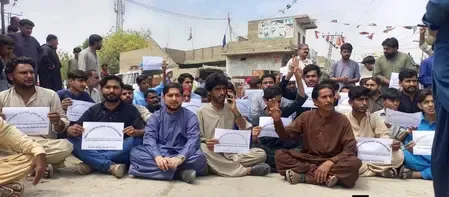
On International Labour Day 2025, workers across Pakistan's Balochistan and Sindh provinces rallied in large numbers demanding fair wages, job security, and an end to the contract labour system. A PPP leader's warning that 96% of Sindh's workers remain vulnerable — alongside reports of 5,000 industrial closures — underscores how deeply Pakistan's labour crisis has worsened.
Key Takeaways
Rallies and demonstrations were held across Balochistan and Sindh on 1 May 2025 to mark International Labour Day .
PPP Sindh President Nisar Ahmed Khuhro said nearly 96% of Sindh's workers, including women, remain vulnerable.
Around 5,000 industries in Sindh alone have reportedly shut down, worsening unemployment.
The NTUF and HBWWF -led Karachi march demanded an end to the contract labour system and payment of a living wage .
Women workers from the All Lady Health Workers Programme Union flagged harassment, unequal pay, and lack of service structure.
Speakers across events criticised privatisation and outsourcing as key drivers of worker exploitation.
Workers across Pakistan's Balochistan and Sindh provinces took to the streets on 1 May 2025 to mark International Labour Day, staging rallies, demonstrations, and awareness campaigns demanding fair wages, improved working conditions, job security, and access to social protection systems, according to local media reports including Dawn.
Key Demands Raised Across Balochistan
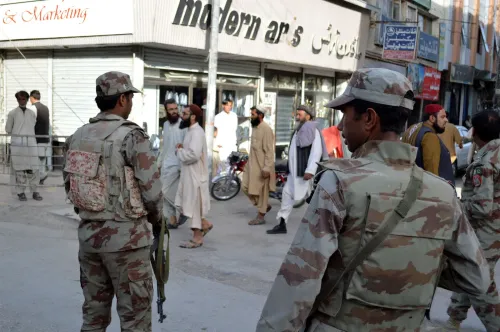
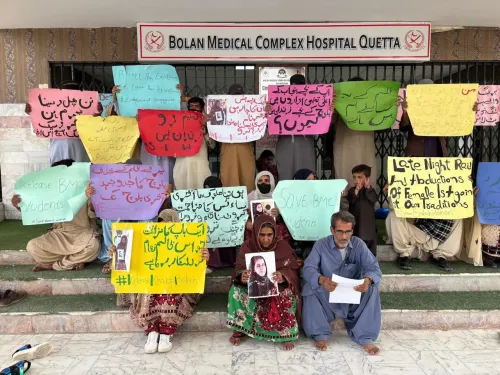
In Quetta and several other parts of Balochistan, workers from different sectors participated in events led by trade unions, labour associations, and civil society organisations. Speakers at these gatherings emphasised the urgent need for implementing existing labour laws and ensuring workers receive their due rights without discrimination or delay.
Workers expressed serious concerns over rising inflation, unemployment, and the absence of adequate safety measures in many workplaces. They urged the government to take concrete steps to address these challenges and implement policies that prioritise the welfare and dignity of the labour force.
Sindh Rallies: 96% of Workers Remain Vulnerable
In Sindh, labourers, trade unions, and political leaders held rallies, seminars, and public meetings, highlighting challenges faced by workers and demanding urgent reforms in both formal and informal sectors.
At a gathering held at the Arts Council, Pakistan Peoples Party (PPP) Sindh President Nisar Ahmed Khuhro said the government must ensure that all workers are registered and provided their due rights. He stated that nearly 96 per cent of workers in Sindh, including women, remained vulnerable, according to Dawn. Khuhro also flagged that unemployment was rising and that around 5,000 industries in Sindh alone had shut down, demanding their revival.
Karachi March: Contract Labour System Under Fire
Separately, workers joined by journalists, teachers, and lawyers marched from Regal Chowk to the Karachi Press Club, carrying red flags and banners. The rally was organised by the National Trade Union Federation Pakistan (NTUF) and the Home-Based Women Workers Federation (HBWWF).
Protesters called for an end to the contract labour system, withdrawal of the fuel price rise, and payment of a living wage in place of the current minimum wage, Dawn reported. They also demanded written job contracts, social security, pensions, and the right to form unions. Speakers criticised privatisation and outsourcing, arguing these policies had weakened job security and increased exploitation of workers.
Women Workers Raise Specific Grievances
A separate rally organised by the All Lady Health Workers Programme Union saw participation of women workers from Sindh, who raised specific concerns including the lack of a defined service structure, low wages, pension shortfalls, harassment, and unequal pay. Union leaders stated that women workers faced compounded challenges within an already fragile labour framework.
This year's Labour Day demonstrations reflect a deepening crisis of worker welfare in Pakistan, with economic pressures, industrial closures, and policy gaps continuing to erode labour rights — a situation that is unlikely to ease without structural intervention from the federal and provincial governments.
Point of View
With journalists and lawyers marching alongside factory workers — signals that Pakistan's labour crisis has moved well beyond the shop floor. The PPP's own Sindh president admitting that 96% of workers in a province his party governs remain vulnerable is a striking self-indictment. With 5,000 industrial closures in Sindh and a contract labour system that strips workers of basic protections, the gap between Pakistan's labour laws on paper and their enforcement on the ground has rarely looked wider. The demands are not radical — living wages, written contracts, social security — but their absence points to a structural failure that successive governments have deferred rather than addressed.
NationPress
7 Oct 2026
Frequently Asked Questions
Why did workers rally across Pakistan on 1 May 2025?
Workers rallied to mark International Labour Day, demanding fair wages, job security, improved working conditions, and access to social protection. Demonstrators in Balochistan and Sindh highlighted concerns over rising inflation, unemployment, and the lack of workplace safety measures.
What did PPP's Nisar Ahmed Khuhro say at the Sindh Labour Day event?
PPP Sindh President Nisar Ahmed Khuhro said the government must ensure all workers are registered and given their due rights. He warned that nearly 96% of Sindh's workers, including women, remain vulnerable, and that around 5,000 industries in the province have shut down.
What did the Karachi march organised by NTUF and HBWWF demand?
The march, which went from Regal Chowk to the Karachi Press Club, called for an end to the contract labour system, withdrawal of the fuel price rise, and payment of a living wage instead of the minimum wage. Protesters also demanded written job contracts, social security, pensions, and the right to form unions.
What specific issues did women workers raise on Labour Day 2025?
Women workers from the All Lady Health Workers Programme Union raised concerns about the lack of a service structure, low wages, pension shortfalls, harassment, and unequal pay — issues that compound the broader labour rights crisis in Pakistan.
Which organisations led the Labour Day events in Pakistan?
Events were led by trade unions, labour associations, civil society organisations, the National Trade Union Federation Pakistan (NTUF), the Home-Based Women Workers Federation (HBWWF), and the All Lady Health Workers Programme Union, among others.