Eastern Zonal Council Standing Committee meets in Bhubaneswar, tackles 74 inter-state issues
Synopsis
At its 15th meeting in Bhubaneswar, the Eastern Zonal Council Standing Committee tackled 74 agenda items in one session — from the long-running Subarnarekha water dispute to cybercrime and POCSO courts. With the next full council meeting to be chaired by the Union Home Minister, unresolved issues now move up the political chain.
Key Takeaways
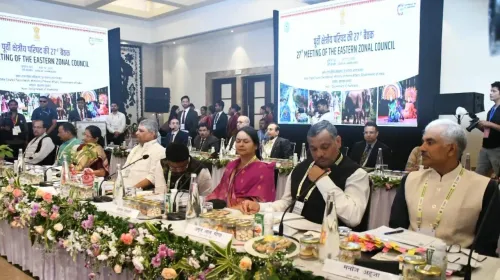
The Eastern Zonal Council Standing Committee held its 15th meeting in Bhubaneswar on 7 July 2025 .
A total of 74 agenda items were discussed, including 12 pending issues from the previous meeting and 61 fresh proposals .
The Subarnarekha Multipurpose Project and flood management between Odisha and Jharkhand received priority attention; Water Resources Secretaries of both states were directed to find a resolution before the next council meeting.
States shared governance innovations: Odisha presented the Ama Sathi WhatsApp chatbot and Subhadra Scheme ; Bihar , Jharkhand , and West Bengal shared models in healthcare, fisheries, and e-governance.
Unresolved issues will be placed before the next full Eastern Zonal Council meeting, to be chaired by the Union Home Minister .
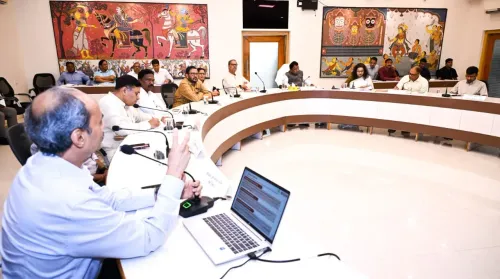
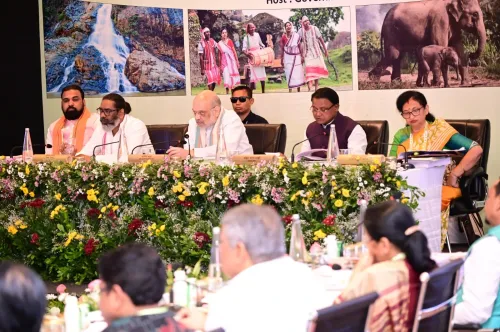
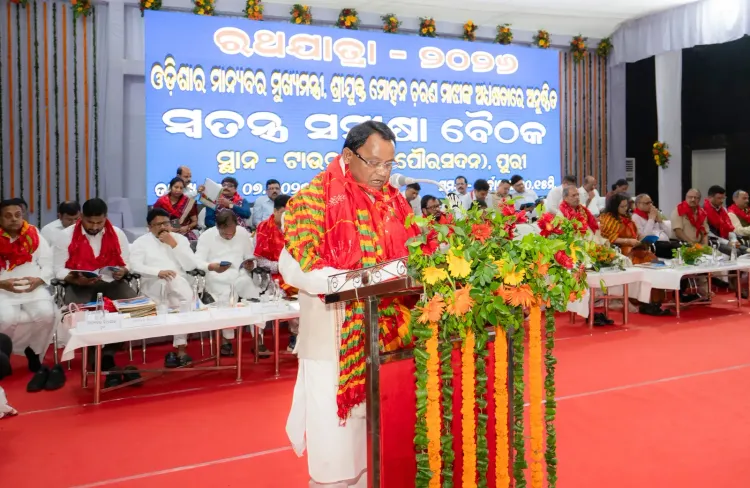
The Standing Committee of the Eastern Zonal Council (EZC) convened its 15th meeting in Bhubaneswar on Tuesday, 7 July, resolving to strengthen inter-state coordination, fast-track pending disputes, and ensure effective delivery of development programmes across the eastern region. The session was organised by the Inter-State Council Secretariat under the Union Ministry of Home Affairs in partnership with the Odisha government.
Key Developments at the Meeting
The committee took up a total of 74 agenda items — comprising 12 pending issues carried over from the previous meeting, 61 fresh proposals, and one agenda item on best governance practices. Odisha Chief Secretary Anu Garg chaired the session as the host state's representative, with senior officials from Bihar, Jharkhand, and West Bengal, alongside delegates from the Inter-State Council Secretariat, participating in deliberations.
Water Disputes and Flood Management in Focus
A central concern at the meeting was the Subarnarekha Multipurpose Project and recurring flood-related challenges affecting both Odisha and Jharkhand. The Water Resources Secretaries of the two states were directed to hold joint discussions and arrive at a mutually acceptable resolution before the next full Eastern Zonal Council meeting. Other inter-state river disputes involving eastern states also featured prominently in the discussions.
The committee additionally reviewed dam construction activity in Jharkhand, National Highways Authority of India (NHAI) project progress, railway infrastructure concerns, and rehabilitation and resettlement matters — all of which have long been flashpoints between neighbouring states in the region.
Governance, Connectivity and Social Schemes Reviewed
Discussions spanned a broad spectrum of governance priorities: telecom connectivity gaps in Odisha, banking access in unbanked rural villages, cybercrime investigation frameworks, digital infrastructure and data centres, biometric updates for children, and the implementation of centrally sponsored schemes including PM-Vidyalaxmi, PMGSY, Jal Jeevan Mission 2.0, and PMAY 2.0.
The agenda also covered food safety regulations, auction of major mineral blocks in ecologically sensitive areas, human-elephant conflict, measures to reduce school dropout rates, establishment of special courts for speedy disposal of rape and POCSO cases, and cooperative sector initiatives.
States Showcase Innovative Governance Practices
Odisha highlighted three flagship innovations: the Ama Sathi WhatsApp chatbot, the Subhadra Scheme, and a tourism land bank initiative. Bihar, Jharkhand, and West Bengal in turn presented successful models in healthcare delivery, fisheries development, education, flood management, and e-governance — reflecting a broader push to share replicable solutions across the zone.
What Happens Next
Inter-State Council Secretariat Secretary Ashish Srivastava confirmed that several inter-state issues had been resolved during the session, while unresolved matters would be escalated to the next full Eastern Zonal Council meeting, which will be chaired by the Union Home Minister. Chief Secretary Garg urged all participating departments and states to ensure 'visible and substantial progress at the earliest' and called for intensified collective efforts to strengthen the development trajectory of the eastern region.
Point of View
Yet it handles disputes — water sharing, flood management, mining in ecologically sensitive zones — that directly affect millions in some of the country's most resource-stressed states. The fact that 12 issues were carried over from the previous meeting signals that resolution timelines remain elastic. Escalating unresolved matters to a Union Home Minister-chaired full council meeting raises the political stakes, but history suggests that inter-state water disputes in particular outlast multiple such escalations. The real test is whether the directive to Water Resources Secretaries of Odisha and Jharkhand on the Subarnarekha project produces a binding agreement — or simply defers the dispute once more.
NationPress
6 Oct 2026
Frequently Asked Questions
What is the Eastern Zonal Council Standing Committee?
The Eastern Zonal Council Standing Committee is a federal coordination body under the Inter-State Council Secretariat, Union Ministry of Home Affairs, that facilitates resolution of inter-state disputes and governance issues among Odisha, Bihar, Jharkhand, and West Bengal. It meets periodically to review pending and fresh proposals before escalating unresolved matters to the full Eastern Zonal Council, chaired by the Union Home Minister.
What were the key issues discussed at the 15th EZC Standing Committee meeting?
The 15th meeting, held in Bhubaneswar on 7 July 2025, covered 74 agenda items including the Subarnarekha Multipurpose Project water dispute, flood management, telecom connectivity, banking access in unbanked villages, cybercrime, NHAI projects, POCSO courts, and centrally sponsored schemes such as Jal Jeevan Mission 2.0 and PMAY 2.0.
What decision was taken on the Subarnarekha Multipurpose Project?
The Water Resources Secretaries of Odisha and Jharkhand were directed to hold joint discussions and arrive at a mutually acceptable solution to the Subarnarekha Multipurpose Project dispute before the next full Eastern Zonal Council meeting. The project has been a recurring source of inter-state tension over water sharing and flood management.
Who chaired the 15th EZC Standing Committee meeting?
The meeting was chaired by Odisha Chief Secretary Anu Garg, as Odisha was the host state. Senior officials from Bihar, Jharkhand, and West Bengal, along with representatives of the Inter-State Council Secretariat, participated in the discussions.
What happens to issues not resolved at the Standing Committee meeting?
Unresolved issues from the Standing Committee meeting will be placed before the next full Eastern Zonal Council meeting, which is chaired by the Union Home Minister. Inter-State Council Secretariat Secretary Ashish Srivastava confirmed that while several issues were resolved at the 7 July session, the remaining matters will be escalated accordingly.