CM Fadnavis Backs India's Push for Esports World Cup 2026
Synopsis
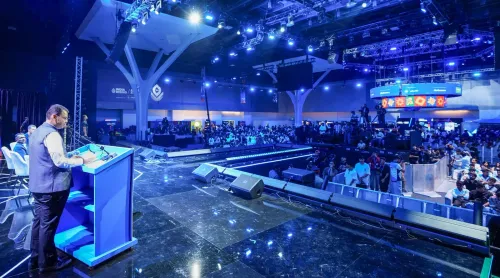
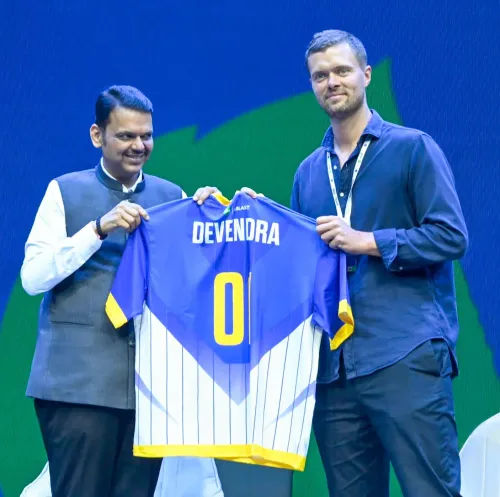
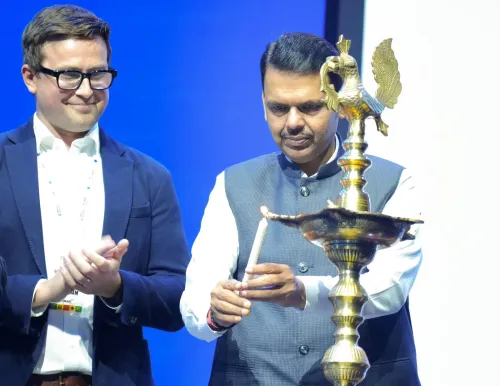
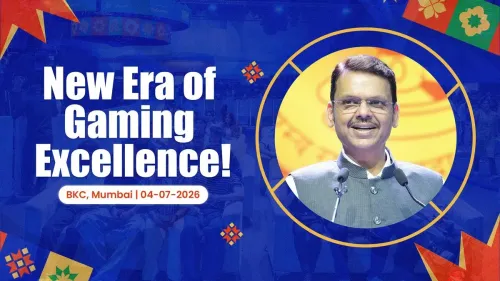
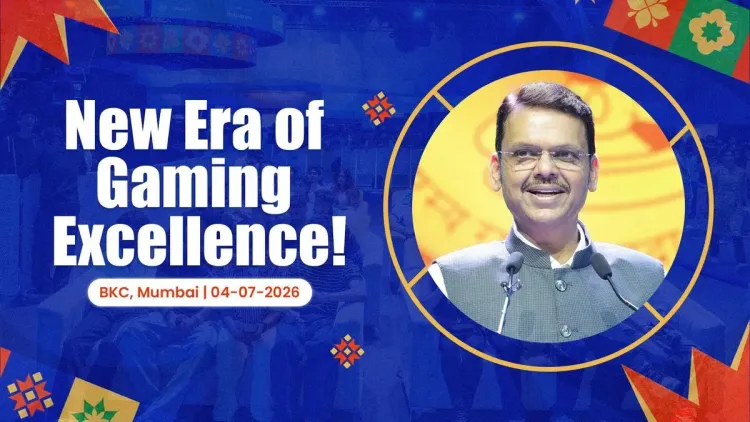
Maharashtra Chief Minister Devendra Fadnavis addressed the 'India Rising: Road to Esports World Cup 2026' event in Mumbai on 4 July 2026, championing India's gaming ecosystem and youth-led ambitions on the global esports stage.
Key Takeaways
CM Devendra Fadnavis spoke at the 'India Rising: Road to Esports World Cup 2026' event in Mumbai on 4 July 2026 .
He described the initiative as key to driving India's gaming ecosystem and empowering youth to compete globally.
The Ministry of Youth Affairs and Sports formally recognised esports as a competitive sport in 2023 .
India made its first official esports appearance at the 2023 Asian Games in Hangzhou , where esports was a medal event.
Maharashtra has been positioning gaming and content creation as avenues for youth employment and investment.
Policy focus now shifts to state-level infrastructure funding and player-development programmes ahead of 2026 qualifiers .
Maharashtra Chief Minister Devendra Fadnavis addressed the 'India Rising: Road to Esports World Cup 2026' event in Mumbai on 4 July 2026, calling it a key initiative to drive the country's gaming ecosystem forward and empower Indian youth to compete on the global digital stage.
Context
Speaking at the event, Fadnavis framed India's esports ambitions in terms of youth empowerment and international competitiveness. His remarks, shared on social media, described the initiative as central to positioning India as a dominant force in global digital competition ahead of the Esports World Cup 2026.
Mumbai, as Maharashtra's capital and India's financial and entertainment hub, has increasingly served as the venue for technology, gaming, and emerging-sports events, making it a natural anchor for a national-level esports roadmap.
Policy Backdrop
India's engagement with esports as a formal discipline gained significant momentum in 2023, when the Ministry of Youth Affairs and Sports officially recognised esports as a competitive sport. That recognition opened the door to structured national support, dedicated funding pathways, and formal international representation.
The same year, esports featured as a medal event at the 2023 Asian Games in Hangzhou — India's first official participation in esports at a major multi-sport competition. The milestone signalled a shift from treating gaming as leisure to treating it as a legitimate athletic and economic domain.
Several Indian states, including Maharashtra, have since positioned gaming and content creation as pillars of youth employment and investment attraction, aligning state policy with the broader national digital-economy framework.
Stakeholders and Impact
The primary beneficiaries of this policy thrust are India's estimated hundreds of millions of active gamers, a demographic that skews young and urban. Competitive esports infrastructure — training academies, state-backed leagues, and dedicated arenas — could translate grassroots gaming interest into professional pathways.
The esports industry itself stands to gain from state-level patronage: clearer regulatory frameworks, public investment in infrastructure, and government-backed tournaments raise the legitimacy and commercial viability of the sector. Maharashtra's IT and startup ecosystem is also positioned to benefit, given the overlap between game development, streaming technology, and digital content creation.
For youth gamers specifically, formal recognition and state support mean access to coaching, competitive circuits, and potentially national selection pipelines ahead of global tournaments such as the Esports World Cup.
What's Next
Attention will now turn to whether Maharashtra follows the event with concrete policy announcements — dedicated esports infrastructure funding, a state esports federation, or player-development programmes tied to 2026 qualifier timelines. Any such moves would mark a significant escalation from ceremonial endorsement to structural investment.
At the national level, the status of a formally recognised National Esports Federation of India and its alignment with global governing bodies will determine how smoothly Indian players can qualify and compete at the Esports World Cup 2026. CM Fadnavis's public backing adds political weight to those ongoing institutional processes.
Point of View
Using emerging sports as a soft-power and investment-attraction tool. With the Esports World Cup 2026 providing a concrete deadline, state-level political backing could accelerate institutional steps — federation recognition, infrastructure spend — that have so far lagged behind rhetorical support. The key test will be whether this translates into budgetary commitments in Maharashtra's next policy cycle.
NationPress
3 Oct 2026
Frequently Asked Questions
What is the 'India Rising: Road to Esports World Cup 2026' event?
'India Rising: Road to Esports World Cup 2026' is an initiative held in Mumbai aimed at building India's competitive gaming ecosystem and preparing Indian players for the Esports World Cup 2026. Maharashtra CM Devendra Fadnavis addressed the event on 4 July 2026.
Has India officially recognised esports as a sport?
Yes. The Ministry of Youth Affairs and Sports formally recognised esports as a competitive sport in 2023, enabling structured national support and international representation for Indian players.
Did India participate in esports at the Asian Games?
Yes. Esports featured as a medal event at the 2023 Asian Games in Hangzhou, marking India's first official participation in esports at a major multi-sport competition.
What is Maharashtra's role in India's esports growth?
Maharashtra, with Mumbai as its base, has positioned gaming and content creation as pillars of youth employment and investment. CM Fadnavis's backing of the Esports World Cup 2026 roadmap event underlines the state's intent to lead India's competitive gaming push.
When is the Esports World Cup 2026?
The Esports World Cup 2026 is an upcoming global esports tournament. The 'India Rising' event on 4 July 2026 in Mumbai is part of preparations to build India's competitive pipeline ahead of the tournament.