CM Fadnavis Challenges Rahul Gandhi to Debate Student Issue in Parliament
Synopsis
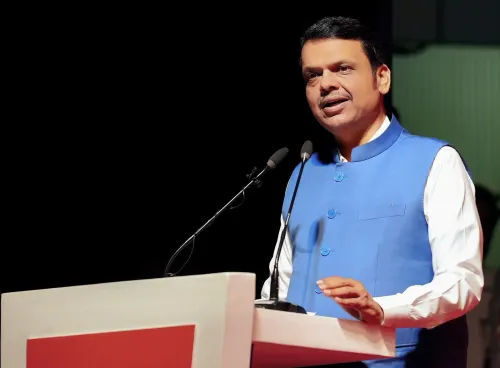
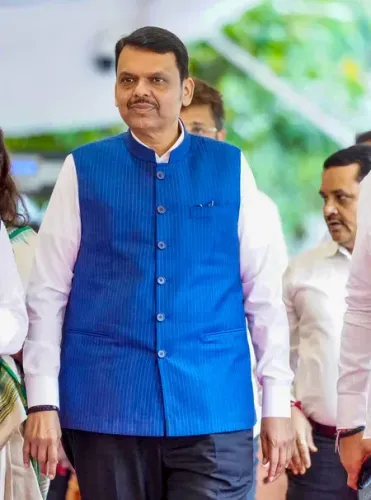
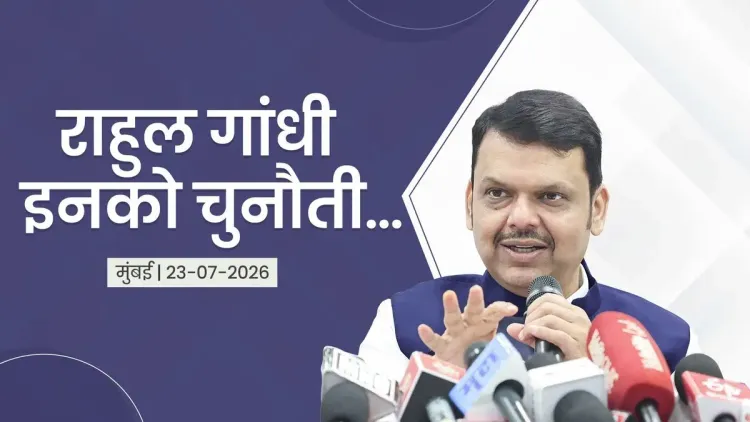
Maharashtra CM Devendra Fadnavis on 23 July 2026 publicly challenged Rahul Gandhi to debate a student welfare issue in Parliament, questioning the Congress leader's commitment to democracy, student welfare, and the Constitution.
Key Takeaways
Devendra Fadnavis issued a direct challenge to Rahul Gandhi from Mumbai on 23 July 2026 .
The challenge dares Gandhi to debate an education-related 'issue' on the floor of Parliament .
Fadnavis linked the dare to three pillars: student welfare, belief in democracy, and faith in the Constitution.
The post was accompanied by a video and hashtagged #Maharashtra and #Mumbai .
The specific issue under dispute was not named in the post; it falls within the broader education policy domain.
A formal Congress or Rahul Gandhi response, and any parliamentary listing of the matter, are the key developments to watch.
Maharashtra Chief Minister Devendra Fadnavis on Thursday, 23 July 2026, issued a direct public challenge to senior Congress leader Rahul Gandhi, daring him to bring an unspecified education-related issue to the floor of Parliament rather than raising it outside the legislature. The statement, posted from Mumbai, sharpened the political confrontation between the ruling BJP and the principal opposition over student welfare and democratic values.
Context
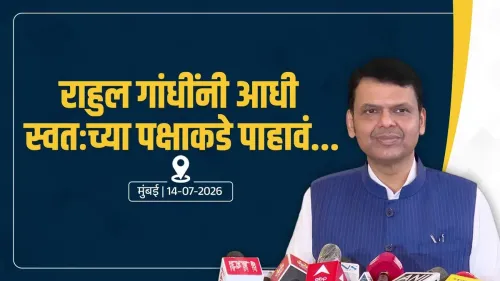
Fadnavis, posting in Hindi, stated: 'मैं राहुल गांधी इनको चुनौती देता हूं कि यदि उनमें हिम्मत है, यदि वे सचमुच विद्यार्थियों का हित चाहते हैं, लोकतंत्र को मानते हैं और संविधान में विश्वास करते हैं, तो वे इस मुद्दे पर संसद में चर्चा करें।' Translated, this reads: 'I challenge Rahul Gandhi — if he has the courage, if he truly wants students' welfare, believes in democracy, and has faith in the Constitution, then let him debate this issue in Parliament.' The post was accompanied by a video, the contents of which were not independently described in the source material.
The challenge invokes three pillars — student welfare, democracy, and the Constitution — framing the Congress leader's credibility as contingent on his willingness to engage through institutional channels. By anchoring the dare in Parliament, Fadnavis positioned the legislature as the legitimate arena for resolving the dispute.
Policy Backdrop
Education policy has been a persistent fault line between BJP-led governments and the Congress, spanning questions of access, quality standards, and constitutional provisions related to minority and reservation rights. Public challenges by ruling-party leaders to opposition figures to 'debate in Parliament' are a well-established rhetorical device in Indian politics, typically deployed when the government believes it holds a stronger legislative argument than the street narrative suggests.
Such statements often coincide with student protests, examination controversies, or pending legislative business. The specific issue referenced by Fadnavis as 'this issue' was not identified in the post itself, though the research context places it squarely within the education domain and the broader student-welfare debate.
Stakeholders and Impact
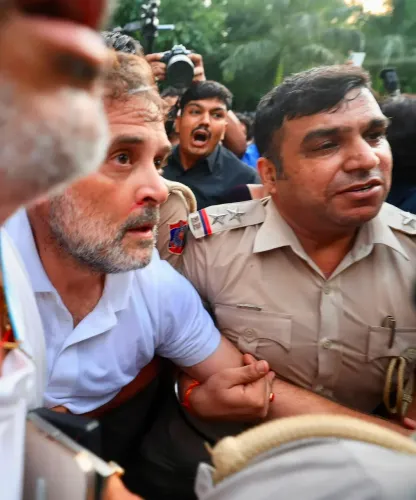
The most immediate stakeholders are students and youth-facing political constituencies in Maharashtra and nationally, both of whom are courted aggressively by the BJP and Congress. For Rahul Gandhi, the challenge puts pressure on the Congress to either engage the issue formally in the next parliamentary session or risk the perception of preferring extra-parliamentary agitation over institutional debate.
Opposition parties, particularly Congress, will need to decide whether to respond publicly, counter-challenge, or table the matter during the upcoming monsoon session of Parliament. The framing — tying student welfare to constitutional faith — also signals that Fadnavis intends to contest the opposition's self-styled role as defender of students and democratic norms.
What's Next
A formal response from Rahul Gandhi or the Congress party is the immediate variable to watch. Should the monsoon session of Parliament be in progress or imminent, the Congress may seek to list the matter for discussion through a Zero Hour notice or an adjournment motion, which would directly answer Fadnavis's dare. If no such move materialises, the BJP is likely to amplify the silence as political evasion ahead of any state or national electoral cycle.
The episode underscores a broader pattern in which education and student welfare are increasingly weaponised as political battlegrounds, with both sides seeking to claim constitutional legitimacy. How Parliament responds — or fails to — will shape the next phase of this confrontation.
Point of View
He pre-empts the Congress's usual framing of itself as the guardian of both. The dare also serves a dual purpose: energising the BJP's student-facing base while putting Congress on the defensive about whether it prefers protest optics over legislative action. If Gandhi does not respond substantively before the next parliamentary session, the BJP will almost certainly use that silence as campaign material.
NationPress
22 Oct 2026
Frequently Asked Questions
What did Devendra Fadnavis challenge Rahul Gandhi about?
Fadnavis challenged Rahul Gandhi to debate a student welfare issue in Parliament, saying Gandhi should prove his commitment to students, democracy, and the Constitution by raising the matter on the legislative floor rather than outside it.
When and where did Fadnavis issue this challenge?
The challenge was issued on 23 July 2026 from Mumbai , posted on X (formerly Twitter) from Fadnavis's official account.
What is the specific issue Fadnavis referred to?
The post did not name the specific issue, referring to it only as 'this issue' within the context of student welfare and education policy.
Has Rahul Gandhi responded to Fadnavis's challenge?
No response from Rahul Gandhi or the Congress party was available at the time of publication.
Why do Indian politicians challenge each other to debate in Parliament?
Challenging an opponent to debate in Parliament is a common rhetorical device in Indian politics. It frames the legislature as the legitimate arena for policy disputes and implies that those who prefer street protests or social media are avoiding institutional accountability.