Rahul Gandhi Vows Student Justice Fight Will Not Stop
Synopsis
Congress leader Rahul Gandhi directly challenged Prime Minister Narendra Modi on July 21, 2026, declaring that the fight for students' justice would not be halted by any force. The post escalates Opposition pressure over student grievances linked to centralised examination processes in India.
Key Takeaways
Rahul Gandhi posted a direct challenge to PM Modi on July 21, 2026 , vowing the student justice movement will not stop.
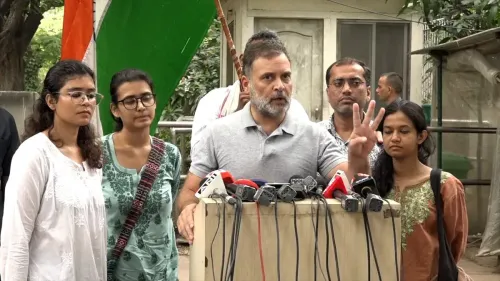
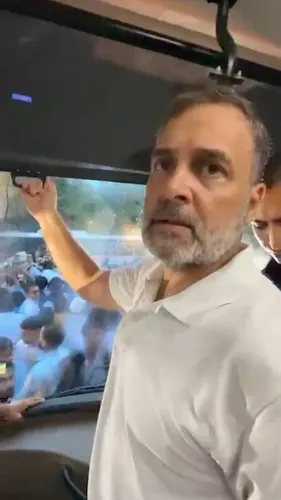
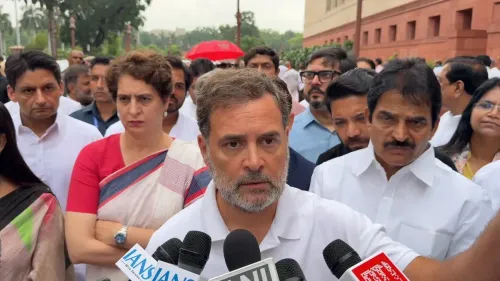
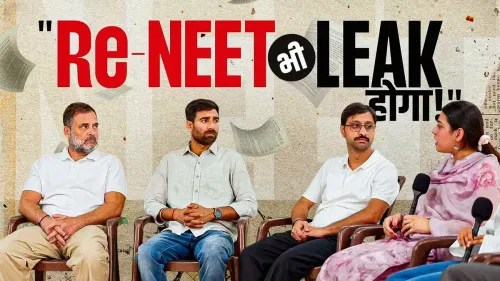
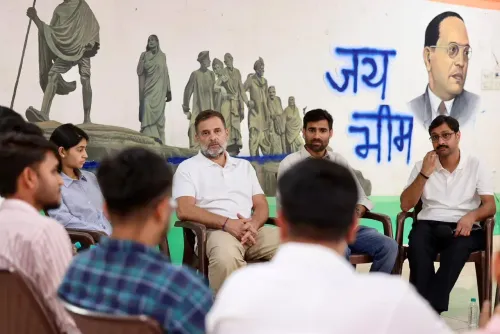
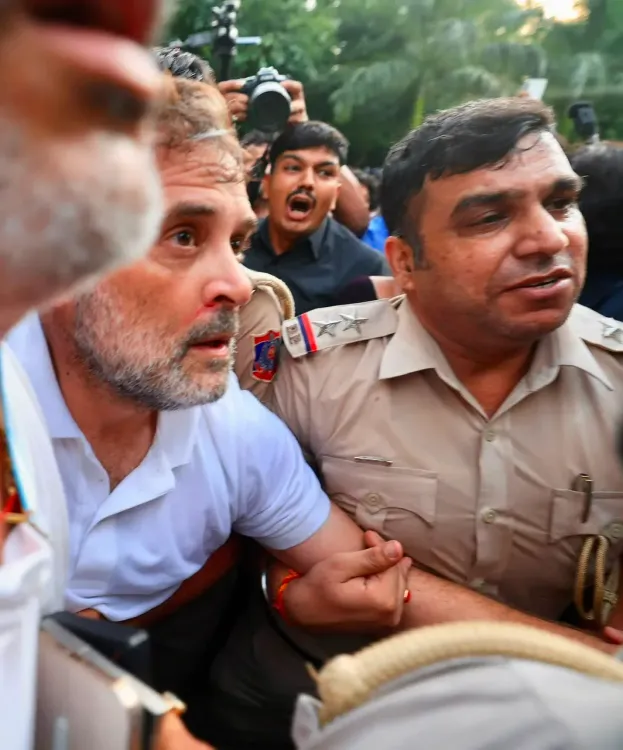
The Hindi post translates as: 'Try every force, use all your strength — this fight for students' justice will not be stopped now.' The post was accompanied by four images , indicating a coordinated communication campaign.
The NEET centralised medical entrance examination has faced repeated allegations of paper leaks and unfairness since 2016 .
Gandhi is Leader of the Opposition in Lok Sabha and MP from Rae Bareli .
Parliamentary debate on education legislation is expected to be a key battleground for the Opposition's campaign.
Congress leader Rahul Gandhi, serving as Leader of the Opposition in the Lok Sabha, on Tuesday, July 21, 2026, issued a sharp challenge to Prime Minister Narendra Modi, declaring that the struggle for students' justice would not be stopped regardless of the pressure applied against it.
Posting in Hindi on X, Gandhi wrote: 'मोदी जी, हर ज़ोर आज़मा लो, सारी ताकत लगा लो - छात्रों के इंसाफ की ये लड़ाई अब रोके न रुकेगी.' Translated, the message reads: 'Modi ji, try every force, use all your strength — this fight for students' justice will not be stopped now.'
Context
The post arrives against a backdrop of sustained student unrest over centralised examination processes in India. Gandhi, an MP from Rae Bareli, has consistently positioned the Congress party as an advocate for students demanding transparency and fairness in higher-education access. The forceful tone — directly addressing the Prime Minister by name — signals an escalation in the Opposition's public posture on the issue.
Policy Backdrop
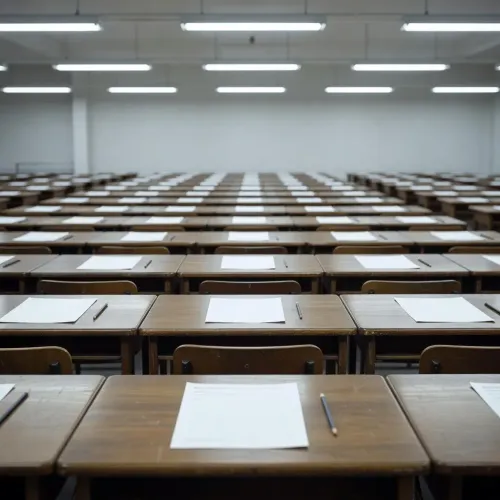
The National Eligibility cum Entrance Test (NEET), mandated as the single medical entrance examination from 2016, has faced recurring allegations of paper leaks and procedural unfairness over the years. Opposition figures, including Gandhi, have used these controversies to argue that centralised examinations have failed to protect students' interests. Parliamentary debate on education-related legislation has periodically sharpened around these concerns.
Broader student protests have also focused on recruitment and admission processes, with demands for greater transparency directed at successive governments. Gandhi's post fits into a pattern of Opposition leaders amplifying student grievances on social media to build public pressure ahead of legislative sessions.
Stakeholders and Impact
Indian students preparing for competitive entrance and recruitment examinations are the central stakeholders in this ongoing dispute. Any political momentum generated by the Opposition's campaign could influence the government's willingness to convene parliamentary discussions or announce administrative reviews. For the BJP-led central government, the challenge is to respond to student demands without conceding that existing examination frameworks are fundamentally flawed.
Civil-society groups and student unions that have been organising protests are likely to draw encouragement from Gandhi's public declaration of support. The post, accompanied by four images, suggests a coordinated communication effort designed to reach a wide audience on social media.
What's Next
Attention will now turn to whether the government issues a formal response to the Opposition's pressure or whether student protests intensify in the coming days. Parliamentary proceedings remain a key arena where the Congress party is expected to press the issue through questions, adjournment motions, or debates on education policy. Gandhi's direct address to Prime Minister Modi raises the political temperature and makes a government statement increasingly difficult to avoid.
Point of View
Designed to personalise accountability for student grievances rather than diffuse it across the bureaucracy. The post fits a well-established Congress playbook of using social media to set the agenda ahead of parliamentary sessions, forcing the government onto the defensive. The invocation of 'justice' rather than specific policy demands suggests the party is building an emotional coalition around student identity rather than a narrow legislative ask. Whether this translates into sustained street-level mobilisation or remains a social-media moment will determine its real political weight.
NationPress
20 Oct 2026
Frequently Asked Questions
What did Rahul Gandhi say about students in his July 2026 post?
Rahul Gandhi posted in Hindi on July 21, 2026, directly challenging PM Modi and declaring that the fight for students' justice would not be stopped by any force or pressure.
What is the NEET controversy that Congress has raised?
The National Eligibility cum Entrance Test (NEET), introduced in 2016 as India's single medical entrance exam, has faced repeated allegations of paper leaks and procedural unfairness, which the Congress-led Opposition has used to demand accountability from the government.
Why is Rahul Gandhi addressing PM Modi directly on student issues?
As Leader of the Opposition in Lok Sabha, Gandhi has consistently championed student demands for transparency in examinations and admissions, and the direct address to Modi is intended to personalise political responsibility for the ongoing grievances.
What action could follow Rahul Gandhi's post on student justice?
Parliamentary debates, adjournment motions, and Opposition questions on education policy are expected next, with student unions likely to intensify protests following Gandhi's public show of support.
Which constituency does Rahul Gandhi represent in Parliament?
Rahul Gandhi is the Member of Parliament from Rae Bareli, Uttar Pradesh, and serves as Leader of the Opposition in the Lok Sabha.