Rahul Gandhi Slams Modi Over NEET Paper Leak, Italy Trip
Synopsis
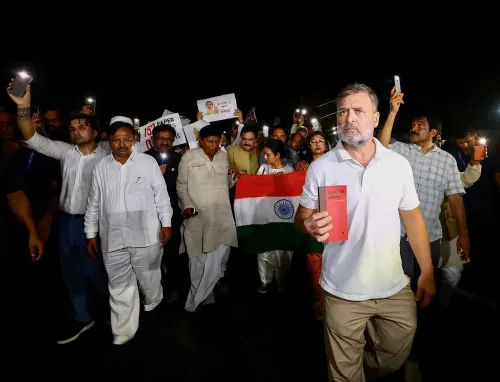
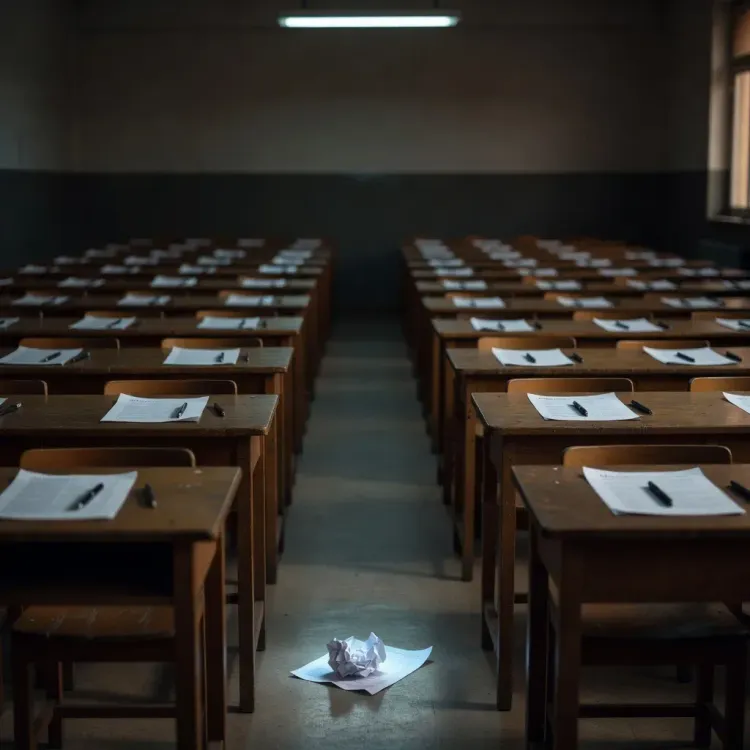
Congress leader Rahul Gandhi attacked PM Modi and Education Minister Dharmendra Pradhan over the NEET paper leak crisis, saying the Prime Minister was making reels in Italy while Indian students took to the streets demanding justice for a scandal that destroyed lakhs of futures.
Key Takeaways
Rahul Gandhi posted a sharp Hindi-language attack on PM Modi on May 21, 2026 , contrasting the Prime Minister's Italy visit with the NEET paper leak crisis at home.
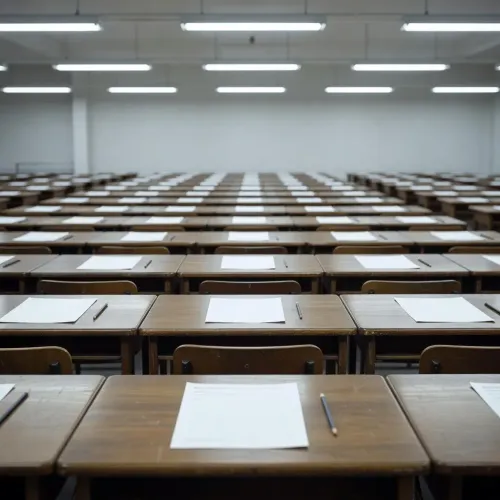
Gandhi alleged the NEET paper leak destroyed the futures of lakhs of students and that some students lost their lives.
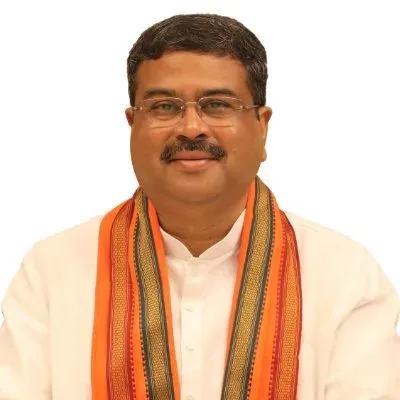
He demanded accountability from PM Modi and called out Education Minister Dharmendra Pradhan's continued tenure despite the controversy.
NEET has been conducted by the National Testing Agency as the sole national medical entrance test since 2016 , affecting over 20 lakh aspirants annually.
A major paper leak in 2024 triggered nationwide protests and Supreme Court petitions, making NEET integrity a persistent political and judicial issue.
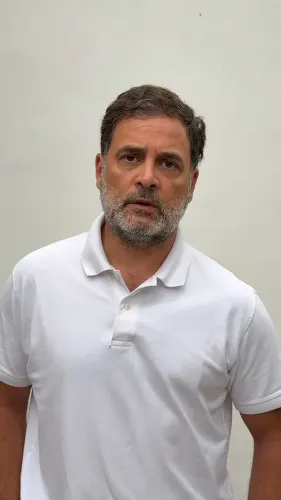
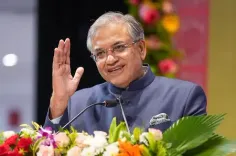
Congress leader Rahul Gandhi, Leader of the Opposition in Lok Sabha, on Thursday, May 21, 2026, launched a sharp attack on Prime Minister Narendra Modi and Union Education Minister Dharmendra Pradhan over the NEET paper leak crisis, accusing the government of failing millions of medical aspirants while the Prime Minister was engaged in social media activity during an overseas visit to Italy.
Context
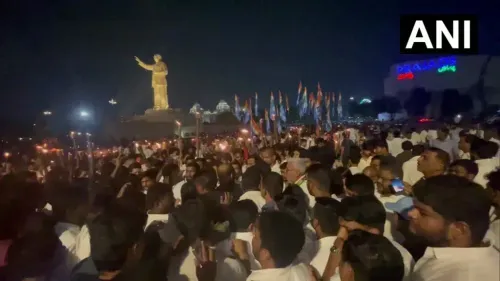
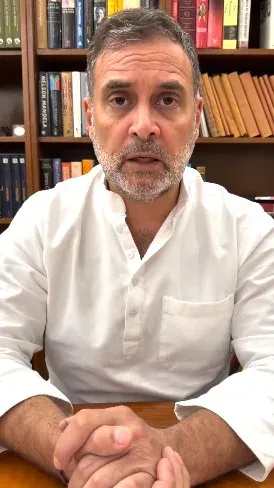
Gandhi posted in Hindi, writing: 'जब मोदी जी इटली में टॉफी खिलाते हुए reels बना रहे थे - पेपर लीक से त्रस्त भारत के युवा सड़कों पर न्याय मांग रहे थे' — 'While Modi ji was making reels feeding toffees in Italy, the youth of India, battered by paper leaks, were on the streets demanding justice.' He added that the NEET paper leak had 'destroyed the futures of lakhs of students' and that 'many children even lost their lives.'
Gandhi concluded by noting that Modi neither accepted responsibility nor removed Dharmendra Pradhan from his post — a pointed reference to the Education Minister's continued tenure despite the controversy.
Policy Backdrop
NEET, the National Eligibility cum Entrance Test, was introduced as a single national medical entrance examination following Supreme Court directions in 2013 and made mandatory from 2016, replacing a patchwork of state-level tests. Administered by the National Testing Agency (NTA), it determines admission to medical colleges across India and is taken by over 20 lakh aspirants each year.
A large-scale paper leak incident in 2024 triggered nationwide student protests, multiple Supreme Court petitions, and demands for a complete overhaul of the NTA's examination conduct framework. The controversy drew sustained parliamentary scrutiny and calls for the Education Minister's resignation from opposition benches.
Stakeholders and Impact
NEET aspirants — many of whom spend years and significant family resources preparing for the examination — are the most directly affected. A compromised paper undermines the merit-based selection process that determines entry into government and private medical colleges, with cascading consequences for healthcare access across the country.
The episode also implicates the credibility of the National Testing Agency, which conducts several other high-stakes national examinations. Opposition parties, student unions, and civil society groups have repeatedly demanded structural reforms, independent oversight, and accountability at the ministerial level.
What's Next
Gandhi's post is likely to intensify pressure on the government ahead of any fresh parliamentary session debates on education ministry performance. The Supreme Court has previously taken cognisance of NEET integrity failures, and further hearings or committee reports on examination reform remain a live possibility.
With the opposition consistently framing the NEET crisis as emblematic of broader governance failures affecting India's youth, the issue is expected to remain a central political flashpoint through the coming legislative calendar.
Point of View
Gandhi is signalling that the Congress intends to keep ministerial accountability — not just systemic reform — at the centre of the NEET debate. The Italy reference, though unverified in its specifics, taps into a recurring narrative that the ruling dispensation prioritises optics over policy. This pattern of contrasting PM travel with domestic crises has proven effective in mobilising student and youth constituencies, making NEET a durable electoral pressure point for the opposition.
NationPress
5 Oct 2026
Frequently Asked Questions
What is the NEET paper leak controversy?
The NEET paper leak refers to alleged breaches in the confidentiality of the National Eligibility cum Entrance Test, India's sole medical college entrance examination conducted by the National Testing Agency. A large-scale incident in 2024 triggered nationwide student protests and Supreme Court petitions, with demands for NTA reform and ministerial accountability.
Why is Rahul Gandhi criticising PM Modi over NEET?
Rahul Gandhi alleged that PM Modi was engaged in social media activity during an overseas visit to Italy while Indian students were protesting on the streets over the NEET paper leak. Gandhi accused the government of failing to take responsibility or remove Education Minister Dharmendra Pradhan.
Who is Dharmendra Pradhan and what is his role in the NEET controversy?
Dharmendra Pradhan is the Union Education Minister responsible for overseeing the National Testing Agency, which conducts NEET. Opposition leaders, including Rahul Gandhi, have demanded his resignation over the government's handling of the paper leak crisis.
How many students are affected by the NEET paper leak?
NEET is taken by over 20 lakh aspirants each year across India. Gandhi's post stated that the paper leak destroyed the futures of 'lakhs of students,' and that some students lost their lives, though specific casualty figures remain unverified.
What action has the Supreme Court taken on the NEET paper leak?
The Supreme Court took cognisance of petitions related to the NEET paper leak and examination integrity failures. The court's interventions have prompted demands for structural reform of the National Testing Agency and independent oversight of high-stakes national examinations.