Rahul Gandhi Slams Modi Over Paper Leaks, Demands Pradhan Quit
Synopsis
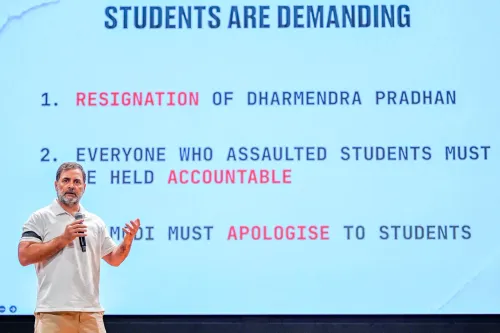
Congress leader Rahul Gandhi on 20 July 2026 accused PM Narendra Modi of being India's most anti-youth Prime Minister, citing 152 alleged paper leaks affecting 7.5 crore students and demanding the resignation of Education Minister Dharmendra Pradhan, while condemning the alleged detention and beating of protesting students.
Key Takeaways
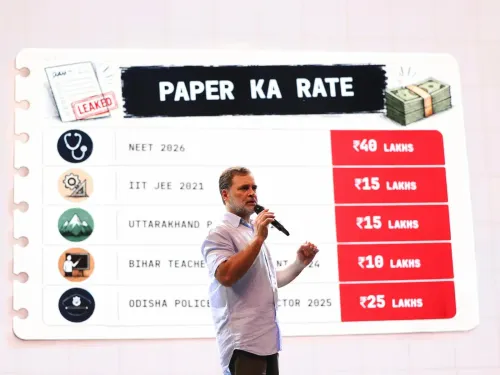
Rahul Gandhi, in a pinned X post on 20 July 2026 , called PM Narendra Modi the 'most anti-youth Prime Minister in India's history.' Gandhi alleged 152 paper leaks have affected 7.5 crore students , with no convictions against those responsible — though these figures are from the post and have not been independently verified.
He demanded the resignation of Union Education Minister Dharmendra Pradhan , calling him a 'failed minister' whom the PM has refused to remove.
Gandhi alleged that students who protested over examination irregularities were met with lathi charges and detention , while those who leaked papers faced no legal consequences.
The Public Examinations (Prevention of Unfair Means) Act, 2024 was enacted to deter malpractice, but opposition leaders argue it has not led to meaningful prosecutions.
Parliamentary scrutiny of the Education Ministry is expected to intensify during the ongoing Monsoon Session.
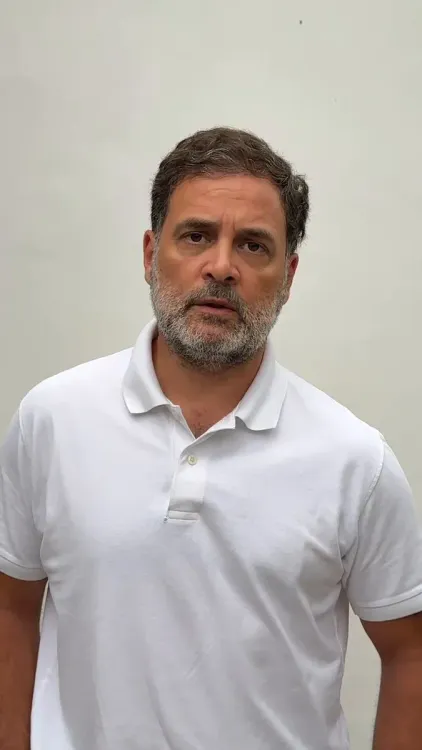
Congress leader and Leader of the Opposition Rahul Gandhi on Monday, 20 July 2026 launched a sharp attack on the Narendra Modi government over recurring examination paper leaks, calling the Prime Minister the 'most anti-youth Prime Minister in India's history' and demanding accountability from Union Education Minister Dharmendra Pradhan.
Context
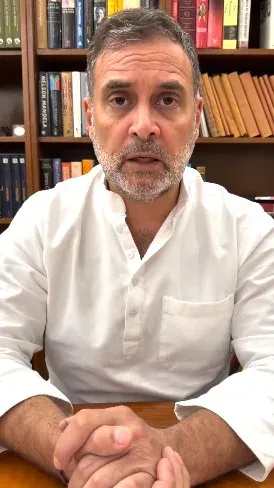
In a post pinned to his official X account, Gandhi wrote — 'प्रधानमंत्री मोदी भारत के इतिहास के सबसे युवा-विरोधी प्रधानमंत्री हैं' ('Prime Minister Modi is the most anti-youth Prime Minister in India's history') — framing the paper leak crisis as a systemic failure that has gone entirely unpunished. He alleged that 152 paper leaks had affected 7.5 crore students, and that not a single guilty party had been convicted.
Gandhi further alleged that when students raised legitimate questions about the education system, they were met with baton charges and detention. 'Those who leaked the papers roam free — and students who raised valid issues are dragged away and beaten,' he wrote, accusing the government of actively turning on its own youth rather than merely failing them.
Policy Backdrop
Examination paper leaks at both national and state levels have been a recurring flashpoint in Indian public life. The controversy intensified in recent years following disruptions to high-stakes competitive examinations, drawing widespread student protests and opposition criticism of the National Testing Agency (NTA) and the Ministry of Education.
Parliament passed the Public Examinations (Prevention of Unfair Means) Act, 2024, aimed at imposing stricter penalties on those responsible for leaks and malpractice. Critics, however, have argued that the legislation has not translated into meaningful prosecutions or systemic reform. The National Education Policy (NEP) 2020, which restructured curriculum and examination governance, remains a reference point in debates over the health of India's education institutions.
Dharmendra Pradhan has served as Union Education Minister since 2021, and has faced sustained opposition pressure to resign over the handling of examination irregularities. Gandhi's post directly questioned why the Prime Minister has not accepted Pradhan's resignation, calling him a 'failed Education Minister.'
Stakeholders and Impact
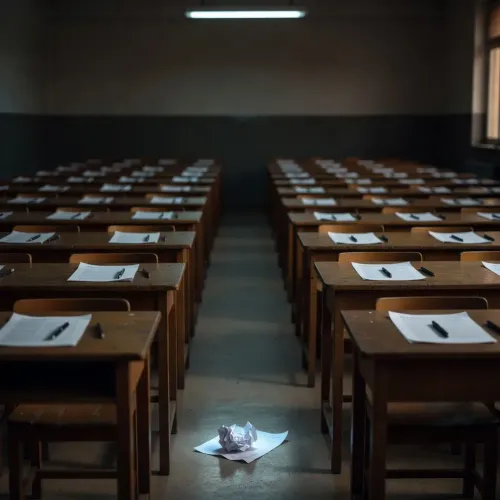
The principal stakeholders are the tens of millions of young Indians who sit competitive examinations each year — for university admissions, government jobs, and professional qualifications. Paper leaks do not merely delay results; they invalidate months or years of preparation and erode trust in meritocratic institutions.
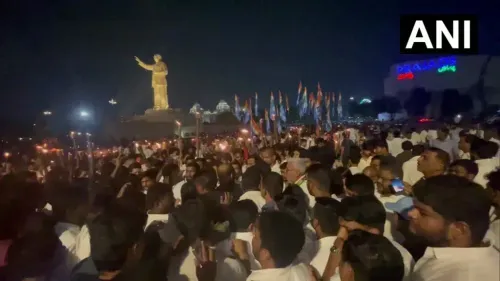
Student groups and youth wings of opposition parties have periodically organised protests demanding scrapping of tainted examinations, re-tests, and criminal prosecution of those responsible for leaks. Gandhi's post amplifies these demands and links them to a broader narrative of institutional accountability under the current government.
What's Next
Parliamentary scrutiny of the Education Ministry's demands for grants during the Monsoon Session is expected to keep the issue alive in the legislature. Opposition benches, emboldened by Gandhi's public framing, are likely to press for a statement from Pradhan and a status report on prosecutions under the 2024 anti-cheating law.
With competitive examination cycles continuing through the year, any fresh leak or irregularity will renew pressure on the government. Whether the ruling dispensation moves to demonstrate accountability — through prosecutions, institutional restructuring, or a ministerial response — will shape the political temperature around youth and education policy heading into the next legislative calendar.
Point of View
He signals that the paper leak issue is not a one-off attack but a sustained campaign plank. The demand for Pradhan's resignation is less about the minister himself and more about forcing the BJP to either defend an embattled portfolio or absorb the political cost of a reshuffle. The framing of student protesters as victims of state violence — rather than merely disappointed examinees — raises the stakes considerably, connecting examination governance to civil liberties in a way that broadens the opposition's appeal beyond academic circles.
NationPress
20 Oct 2026
Frequently Asked Questions
What did Rahul Gandhi say about PM Modi and paper leaks?
Rahul Gandhi called PM Narendra Modi the 'most anti-youth Prime Minister in India's history,' alleging that 152 paper leaks affected 7.5 crore students and that no guilty party has been punished. He made these remarks in a pinned post on X on 20 July 2026.
Why is Rahul Gandhi demanding Dharmendra Pradhan's resignation?
Gandhi has called Pradhan a 'failed Education Minister' and questioned why PM Modi has not accepted his resignation given the scale of alleged examination paper leaks and the lack of accountability under his tenure.
What is the Public Examinations (Prevention of Unfair Means) Act 2024?
It is a law passed by Parliament in 2024 to impose stricter penalties on those responsible for paper leaks and malpractice in public examinations. Critics, including opposition leaders, argue it has not yet produced meaningful prosecutions.
How many students were affected by paper leaks according to Rahul Gandhi?
Gandhi claimed 7.5 crore students were affected by 152 paper leaks. These figures are from his post and have not been independently verified from established public records.
What action did Gandhi allege was taken against protesting students?
Gandhi alleged that students who raised legitimate questions about the education system were met with baton charges and detention, while those responsible for leaking papers faced no legal consequences.