Rahul Gandhi Meets NEET Students, Alleges Paper Leaks on WhatsApp
Synopsis
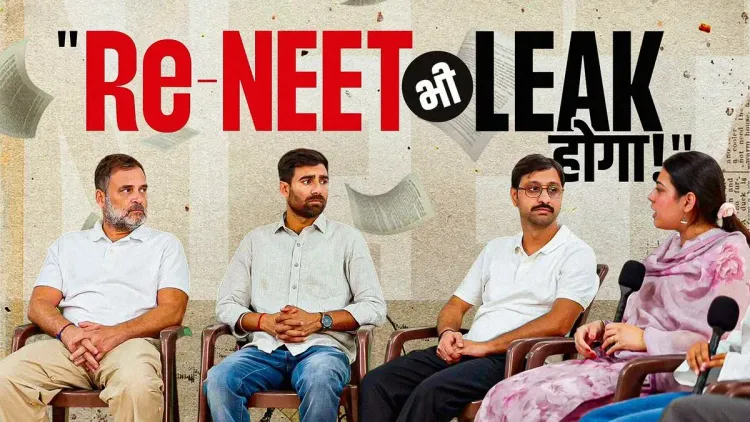
Congress leader Rahul Gandhi, after meeting NEET aspirants, alleged on May 29, 2026 that exam papers are openly sold on WhatsApp and Telegram and that India's youth has lost trust in Prime Minister Narendra Modi, intensifying demands for NTA accountability and NEET reform.
Key Takeaways
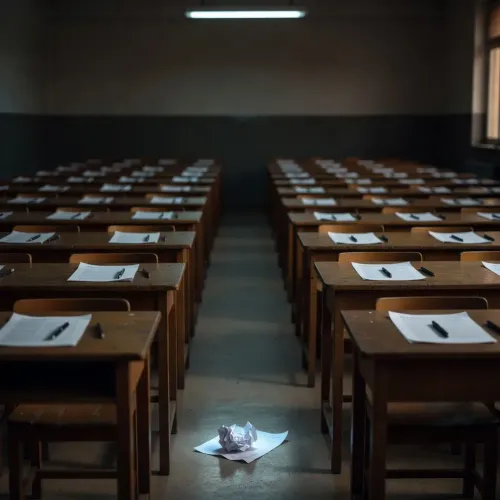
Rahul Gandhi met NEET aspirants and shared their account on May 29, 2026 , alleging exam papers are sold openly on WhatsApp and Telegram .
Students reportedly told Gandhi details of paper pricing, buyers, and the modus operandi of exam mafias.
NEET is India's sole national medical entrance exam, conducted by the National Testing Agency (NTA) since 2017 .
Multiple paper leak allegations in 2024 had already triggered CBI probes and student protests across the country.
Gandhi directly linked the alleged irregularities to a broader loss of youth trust in Prime Minister Narendra Modi .
Parliamentary debate on exam reform legislation and an NTA response on NEET 2026 security are expected to follow.
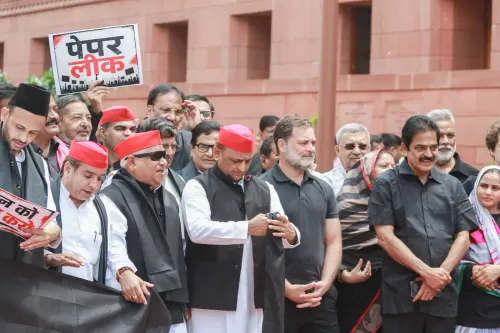
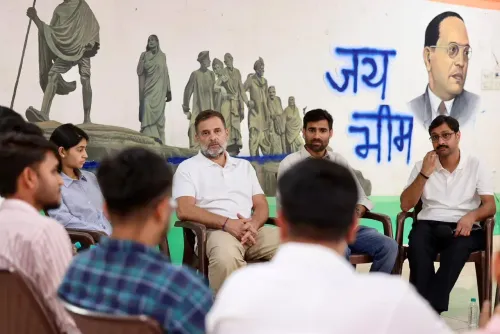
Congress leader and Leader of the Opposition Rahul Gandhi on Friday, May 29, 2026, shared that a meeting with NEET aspirants confirmed deep distrust among India's youth toward the central government, alleging that exam papers are being openly sold on messaging platforms WhatsApp and Telegram.
Context
In a post on X in Hindi, Gandhi wrote: 'NEET छात्रों से मुलाक़ात में एक बात बिल्कुल साफ़ हो गई - भारत का युवा नरेंद्र मोदी पर भरोसा नहीं करता' ('One thing became absolutely clear in a meeting with NEET students — India's youth does not trust Narendra Modi'). He added that students told him papers are being 'openly sold' on WhatsApp and Telegram, with details of pricing, buyers, and the working of exam mafias known to the students themselves.
The post includes a video, the contents of which were not independently described in available information. Gandhi's remarks appear to stem from a direct interaction with NEET aspirants, though the specific location and date of the meeting have not been disclosed in the post.
Policy Backdrop
The National Eligibility cum Entrance Test (NEET) is the sole national medical entrance examination for MBBS and BDS admissions across India, mandated by the Supreme Court in 2016 to replace a fragmented system of state-level exams. The National Testing Agency (NTA), established in 2017 under the Ministry of Education, is the body responsible for conducting NEET and other major competitive examinations.
In 2024, multiple allegations of paper leaks and irregularities in NEET triggered CBI probes and widespread student protests, intensifying demands for systemic reform in how high-stakes national exams are conducted. Opposition parties, including the Indian National Congress, have consistently raised questions about institutional accountability and the centralisation of entrance testing under the NTA framework.
Stakeholders and Impact
Millions of students across India appear for NEET each year, making it one of the most competitive and consequential examinations in the country. Allegations of paper leaks, if substantiated, directly undermine the credibility of the exam and disadvantage students who prepare without access to leaked material.
Gandhi's framing — that students themselves are aware of 'how the mafia operates' — positions the issue not merely as an administrative failure but as a systemic governance concern. The remarks are likely to amplify calls from student groups and opposition lawmakers for stricter oversight of the NTA and an independent inquiry into exam conduct for NEET 2026.
What's Next
Parliamentary scrutiny of proposed exam reform legislation and any official response from the NTA or the Ministry of Education regarding NEET 2026 security protocols will be closely watched. With Gandhi directly citing student testimony, the Congress is expected to press the issue in both Parliament and public discourse ahead of the next examination cycle.
The broader debate over whether to decentralise medical entrance testing back to states — a demand that several state governments have raised — is also likely to gain renewed momentum in light of these allegations.
Point of View
He sidesteps the 'UNVERIFIED' trap while keeping the narrative visceral and personal. The framing echoes a broader Congress strategy of positioning the opposition as the voice of aspirational, exam-going India against a centralised testing regime seen as opaque and corruption-prone. If the NTA or the government does not respond with concrete NEET 2026 security assurances, the silence itself becomes political ammunition.
NationPress
20 Sept 2026
Frequently Asked Questions
What did Rahul Gandhi say about NEET paper leaks?
Rahul Gandhi said that NEET students told him exam papers are being openly sold on WhatsApp and Telegram, and that the students are aware of the pricing, buyers, and how exam mafias operate.
Has NEET had paper leak problems before?
Yes. In 2024, multiple allegations of NEET paper leaks and irregularities prompted CBI investigations and large-scale student protests, leading to demands for systemic reform in how the NTA conducts examinations.
What is the NTA and who oversees NEET?
The National Testing Agency (NTA) is an autonomous body set up in 2017 under the Ministry of Education. It is responsible for conducting NEET and several other major national competitive exams.
Why is NEET conducted at the national level?
The Supreme Court mandated in 2016 that NEET replace the earlier fragmented system of state-level medical entrance exams, making it the single national test for MBBS and BDS admissions.
What reforms are being demanded for NEET?
Opposition parties, student groups, and several state governments have demanded independent oversight of the NTA, stricter exam security, and in some cases a return to state-level medical entrance tests.