Rahul Gandhi Meets NEET Aspirants, Slams Modi Govt Over Exam Woes
Synopsis
Congress leader Rahul Gandhi met NEET aspirants on May 27, 2026, who declared they had lost all faith in the examination system. Gandhi accused the Modi government of corruption and indifference, warning that India's youth would ultimately transform the system.
Key Takeaways
Congress leader Rahul Gandhi met a group of NEET aspirants on May 27, 2026 and shared their grievances publicly on X.
The students told Gandhi: 'We no longer have any faith in this system,' expressing frustration over the conduct of the national medical entrance test.
Gandhi accused the Modi government of 'corruption and indifference' toward student welfare in the context of NEET.
NEET has been the sole undergraduate medical entrance examination in India since the Supreme Court mandated it in 2016 .
Opposition parties have consistently raised concerns about alleged irregularities and lack of transparency in NEET and other national entrance tests.
The issue is expected to be raised in the upcoming monsoon session of Parliament .
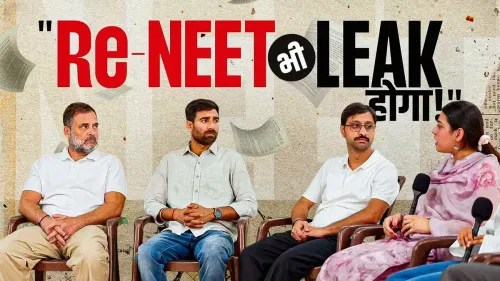
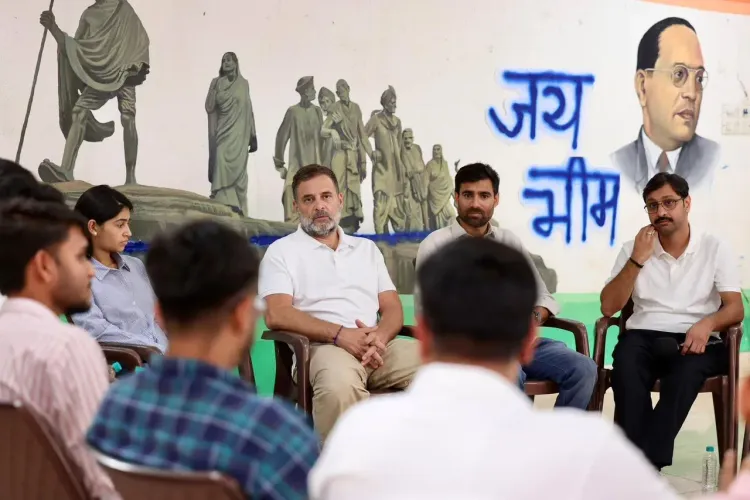
Congress leader Rahul Gandhi, Leader of the Opposition in Lok Sabha, on Wednesday, May 27, 2026, met a group of NEET aspirants who expressed deep frustration over the state of the national medical entrance examination, accusing the Modi government of corruption and indifference toward students.
What Gandhi Said
Sharing the encounter on X, Gandhi quoted the students directly: 'Ab is vyavastha par humein koi bharosa nahin raha' ('We no longer have any faith in this system'). He described their anger as visible and their patience as exhausted, writing that 'the youth of this country will no longer tolerate the corruption and indifference of the Modi government.'
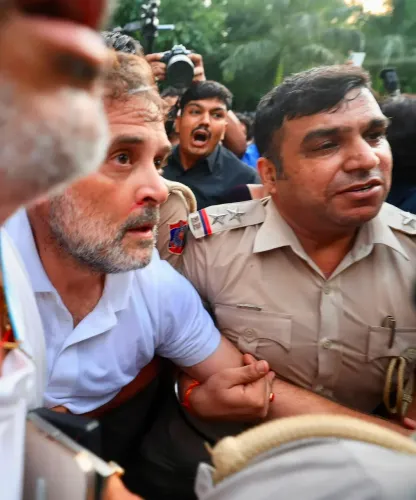
Gandhi added a pointed warning: 'And remember — it is this very youth that will change this system.' The post was accompanied by four images, indicating a face-to-face meeting with the aspirants.
Context
NEET, the National Eligibility cum Entrance Test, is the sole gateway to undergraduate medical admissions across India, mandated by the Supreme Court in 2016. It is administered by the National Testing Agency (NTA) under the Union Ministry of Education. Millions of students appear for the examination each year, making it one of the most competitive and high-stakes tests in the country.
Opposition parties, including the Indian National Congress, have repeatedly raised concerns about alleged irregularities, paper leaks, and a perceived lack of transparency in the conduct of NEET and other national entrance examinations such as JEE.
Policy Backdrop
The NEET examination has been a flashpoint in Indian education politics for years. Critics argue that centralised testing disadvantages students from rural and economically weaker backgrounds, while proponents maintain it ensures a uniform standard for medical admissions. Several states have historically pushed back against NEET, seeking exemptions on grounds of regional equity.
Gandhi's remarks fit into a sustained Congress campaign questioning the BJP-led central government's management of higher education admissions and student welfare. Parliamentary debates on examination reform have recurred across multiple sessions of the Lok Sabha and Rajya Sabha.
Stakeholders and Impact
The immediate stakeholders are the lakhs of NEET aspirants who invest years of preparation and significant financial resources in pursuit of a medical seat. Any perception of systemic failure or corruption directly erodes confidence in the examination's fairness.
Medical educators and private coaching institutions also have a stake in examination integrity, as do state governments responsible for filling seats in government medical colleges. Gandhi's public meeting with aspirants signals that the issue is likely to be pressed in the monsoon session of Parliament.
What's Next
With the monsoon session of Parliament approaching, opposition leaders are expected to raise examination-related grievances on the floor of both Houses, potentially demanding a parliamentary inquiry or ministerial statement on NEET's administration. Gandhi's post, framed as a direct appeal from students rather than a party position, appears designed to keep youth disenchantment with the examination system in the public conversation ahead of that session.
Point of View
Not merely victims, echoes the Congress party's broader strategy of positioning itself as a vehicle for generational discontent ahead of future electoral cycles. The NEET controversy has proven durable as a political issue precisely because it sits at the intersection of meritocracy, state capacity, and social equity — concerns that cut across caste and class lines. Whether Gandhi can convert this street-level anger into legislative pressure will depend on how effectively the opposition coordinates in the monsoon session.
NationPress
22 Sept 2026
Frequently Asked Questions
Why are NEET aspirants angry with the Modi government?
NEET aspirants have expressed frustration over alleged irregularities, lack of transparency, and what they describe as government indifference to their concerns about the fairness of the national medical entrance examination.
What did Rahul Gandhi say about NEET on May 27, 2026?
Rahul Gandhi posted on X that NEET aspirants told him they had lost all faith in the system, and he accused the Modi government of corruption and indifference, saying India's youth would ultimately change the system.
What is NEET and why is it controversial?
NEET, the National Eligibility cum Entrance Test, is the sole entrance examination for undergraduate medical admissions in India, mandated by the Supreme Court in 2016. It has been controversial due to concerns about regional disadvantage, alleged paper leaks, and questions about the fairness of its administration.
Will NEET be discussed in Parliament?
Opposition leaders, including Rahul Gandhi, are expected to raise NEET-related grievances during the upcoming monsoon session of Parliament, potentially calling for a parliamentary inquiry or a ministerial statement.
What has Congress said about NEET in the past?
The Indian National Congress and other opposition parties have repeatedly highlighted alleged irregularities and a lack of transparency in NEET and JEE, framing these as evidence of the central government's failure to protect student interests in higher education admissions.