Rahul Gandhi Raises NEET Student Suicides, Heads to Kota

Synopsis
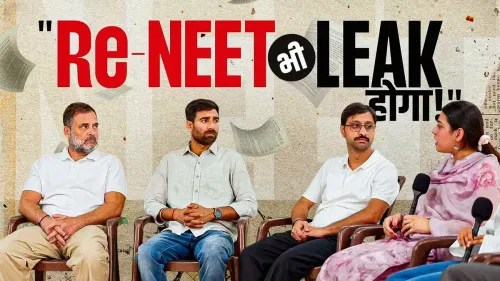
Congress leader Rahul Gandhi, en route to Kota on June 17, mourned two medical aspirants — Umesh from Sikar and Riya from Dehradun — aged 22 and 23, who he said died by suicide under Re-NEET pressure, calling the deaths the result of an unjust examination system.
Key Takeaways
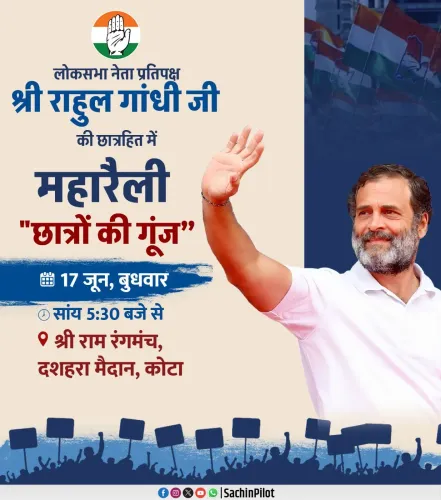
Congress leader and Leader of the Opposition Rahul Gandhi posted on June 17, 2026 while travelling to Kota , the country's leading medical-exam coaching hub.
Gandhi named two students — Umesh from Sikar, Rajasthan and Riya from Dehradun, Uttarakhand — as having died by suicide under Re-NEET pressure.
Both students were aged 22 and 23 respectively, according to Gandhi's post.
NEET , introduced in 2016 by the National Testing Agency , has faced repeated controversy including a 2024 paper-leak scandal that reached the Supreme Court .
Gandhi described the deaths as a failure of an 'unjust system,' intensifying opposition pressure on the Ministry of Education and the NTA .
The episode renews focus on student mental health infrastructure at coaching centres and potential parliamentary debate on examination reforms.
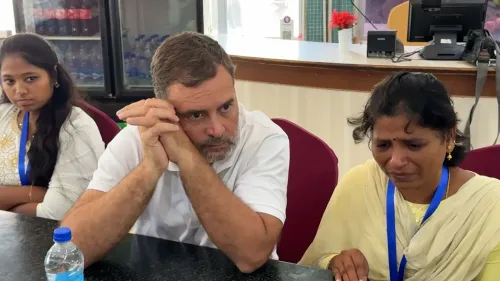
Congress leader Rahul Gandhi on Wednesday, June 17, 2026, declared he was travelling to Kota even as he mourned two young medical aspirants — Umesh from Sikar and Riya from Dehradun — who he said died by suicide under the pressure of the Re-NEET examination process. Gandhi, the Leader of the Opposition in Lok Sabha, called the deaths a consequence of an 'unjust system' that had failed students aged 22 and 23.
Context
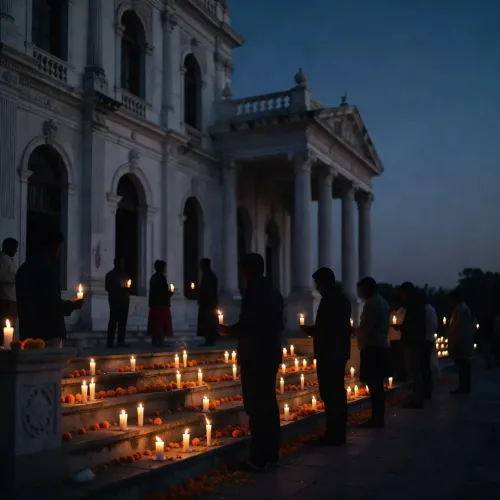
In his post, Gandhi wrote: 'Kota ke liye nikal chuka hoon par dil mein do naam goonj rahe hain: Umesh aur Riya' ('I have left for Kota but two names echo in my heart: Umesh and Riya'). He stated that on the previous day, Umesh in Sikar, Rajasthan, and Riya in Dehradun, Uttarakhand, had ended their lives under the pressure of the Re-NEET process. Gandhi described them as young people who 'should have been flying in the open skies of their dreams' but were defeated by an 'unjust system.'
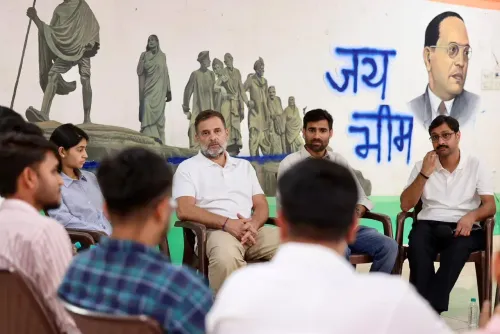
Gandhi's visit to Kota — the country's most prominent coaching hub for competitive entrance examinations — underscores the political salience of student distress in the city, which has long been associated with high academic pressure and recurring reports of student suicides.
Policy Backdrop
The National Eligibility cum Entrance Test (NEET) was introduced in 2016 by the National Testing Agency (NTA), an autonomous body under the Ministry of Education, to replace multiple state-level medical entrance tests and standardise entry into MBBS and BDS programmes across India. The move was intended to curb malpractices and create a single, transparent gateway to medical education.
However, the examination has faced sustained scrutiny. In 2024, allegations of a paper leak triggered Supreme Court hearings, the cancellation of grace marks for certain candidates, and a limited re-examination for those affected. The episode intensified debate about the NTA's administrative capacity and the psychological burden placed on lakhs of aspirants who prepare for years under high-stakes conditions.
The term 'Re-NEET' in Gandhi's post refers to the process by which candidates must reappear for the examination — a cycle that critics argue prolongs uncertainty and compounds mental health pressures on young aspirants, many of whom are enrolled in intensive coaching programmes in cities like Kota.
Stakeholders and Impact
Medical aspirants, particularly those from middle-income and rural families who invest heavily in coaching, bear the most direct impact of repeated examination cycles. The coaching industry concentrated in Kota serves hundreds of thousands of students annually, and the city has periodically drawn national attention over student mental health crises.
Gandhi's intervention brings opposition pressure on the Ministry of Education and the NTA to address both examination integrity and the broader ecosystem of support — or its absence — for students navigating high-stakes competitive tests. Student welfare groups and parents' associations have previously called for mandatory counselling infrastructure at coaching centres.
What's Next
Gandhi's physical presence in Kota is likely to sharpen parliamentary and public focus on proposed examination reforms and the welfare framework around NEET aspirants. Any fresh directives from the Supreme Court or policy announcements from the NTA regarding future NEET conduct will be closely watched by student communities and opposition parties alike. The broader question of whether India's medical admission architecture adequately accounts for the mental health of millions of aspirants is now firmly in the political spotlight.
Point of View
He personalises a systemic critique that the opposition has levelled at the NTA since the 2024 paper-leak crisis. His physical journey to Kota amplifies the message beyond social media into the coaching belt's political geography, a constituency of aspirational families that no party can afford to alienate. The move also pre-empts any government narrative of isolated incidents by framing student suicides as a pattern rooted in policy failure. With parliamentary debates on examination reform pending, this intervention is likely to set the tone for opposition questioning of the Education Ministry in the near term.
NationPress
27 Sept 2026
Frequently Asked Questions
Why did Rahul Gandhi go to Kota in June 2026?
Rahul Gandhi travelled to Kota on June 17, 2026, in the context of student distress linked to the Re-NEET examination process. He posted that two medical aspirants, Umesh from Sikar and Riya from Dehradun, had died by suicide under Re-NEET pressure, and his visit to the coaching hub was intended to highlight the crisis facing medical aspirants.
What is Re-NEET and why is it controversial?
Re-NEET refers to the process by which medical aspirants must reappear for the National Eligibility cum Entrance Test after failing or being affected by examination irregularities. Critics argue the repeated cycle prolongs uncertainty and worsens mental health pressures on students, many of whom spend years and significant money preparing at coaching centres.
What happened in the 2024 NEET paper leak case?
In 2024, widespread allegations of a NEET question-paper leak led to Supreme Court hearings, the cancellation of grace marks for certain candidates, and a limited re-examination for affected students. The controversy raised serious questions about the National Testing Agency's ability to conduct a fair and secure national examination.
How many students die by suicide in Kota every year?
Kota, Rajasthan's coaching capital, has reported student suicides periodically over the years, drawing national concern about the mental health infrastructure at coaching institutes. Exact annual figures vary, but the city has repeatedly prompted calls for mandatory counselling services and regulatory oversight of coaching centres.
What reforms have been proposed for NEET?
Proposed reforms include stricter examination security protocols by the National Testing Agency, mandatory mental health counselling at coaching centres, and broader parliamentary debate on whether a single high-stakes test is an equitable gateway to medical education. The Supreme Court has also periodically issued directions on examination conduct and transparency.