Rahul Gandhi leads INDIA bloc march to Gandhi Smriti over NEET
Synopsis
Rahul Gandhi and INDIA alliance MPs marched to Gandhi Smriti on 23 July 2026, mourning students who died by suicide after the NEET paper leak and expressing solidarity with those reported injured, renewing opposition pressure on the government over exam integrity failures.
Key Takeaways
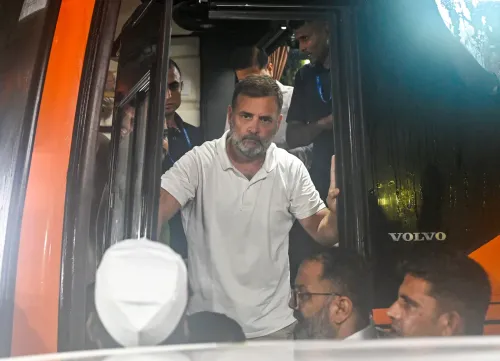
Congress leader Rahul Gandhi announced on 23 July 2026 that INDIA alliance MPs and leaders were marching to Gandhi Smriti , New Delhi.
The march was held to remember students who died by suicide following the NEET-UG paper leak controversy and to stand in solidarity with those reported injured.
The NEET-UG paper leak allegations first erupted in 2024 , triggering nationwide protests and Supreme Court petitions demanding cancellation and an independent probe.
Opposition parties have repeatedly used public commemorations to spotlight alleged government failures on exam integrity and student welfare.
Calls for structural reform of the National Testing Agency (NTA) are expected to intensify in upcoming parliamentary sessions.
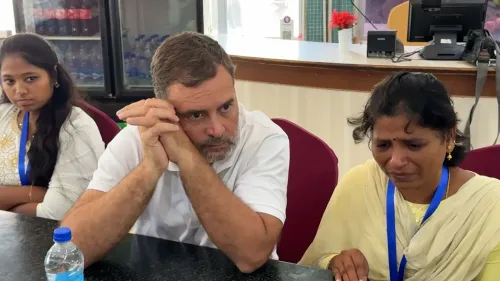
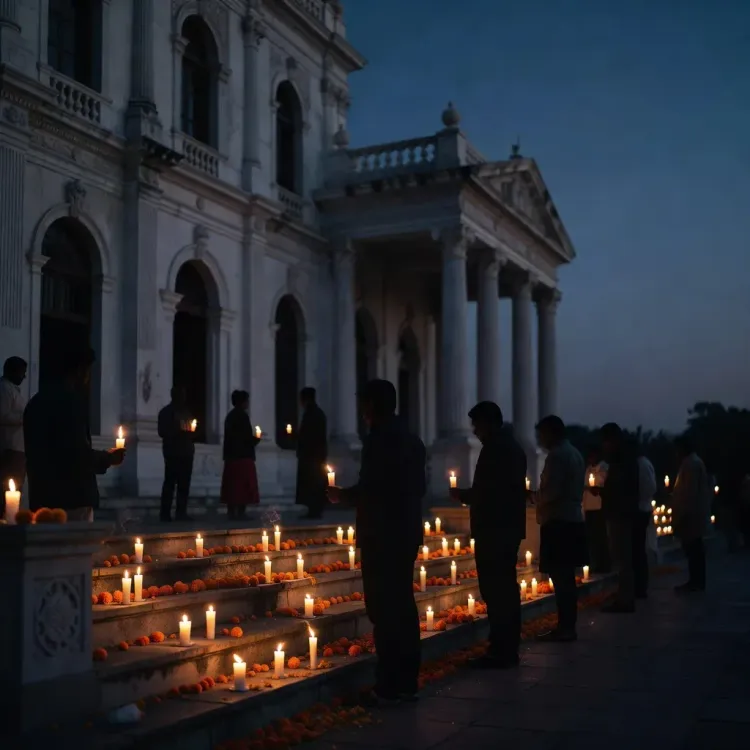
Congress leader Rahul Gandhi on Thursday, 23 July 2026, announced that MPs and leaders of the INDIA alliance were marching to Gandhi Smriti on Tees January Marg, New Delhi, to honour students who died by suicide following the NEET paper leak controversy and to express solidarity with those reported injured.
Context
In his post on X, Gandhi stated: 'We go to remember the students we lost — the children driven to take their own lives after the NEET paper leak. And we go to stand with the students who lie injured.' The march to Gandhi Smriti, the memorial dedicated to Mahatma Gandhi on Tees January Marg, was framed as a peaceful act of remembrance and solidarity.
Gandhi Smriti is the site where Mahatma Gandhi spent the last days of his life and was assassinated on 30 January 1948. Opposition parties have frequently chosen the location for acts of political symbolism, lending moral weight to their public positions.
Policy Backdrop
The National Eligibility cum Entrance Test (NEET-UG), conducted by the National Testing Agency (NTA), is the sole gateway for admission to medical colleges across India. In 2024, widespread allegations of paper leaks triggered nationwide student protests, multiple Supreme Court petitions, and demands for cancellation of the examination and an independent probe.
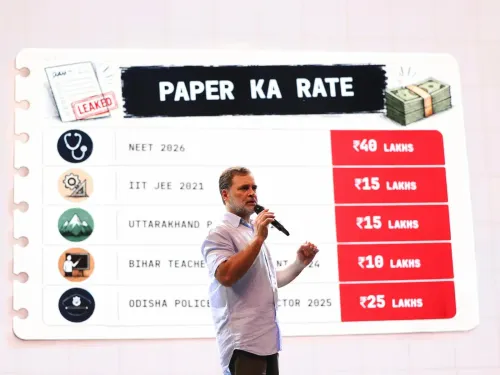
The controversy exposed systemic vulnerabilities in India's centralised testing infrastructure. Calls for structural reform of the NTA and greater transparency in exam administration have since become a recurring theme in parliamentary debates and civil society discourse. Recurring paper leak scandals across NEET, JEE, and various state-level examinations have significantly eroded trust in national testing bodies.
Stakeholders and Impact
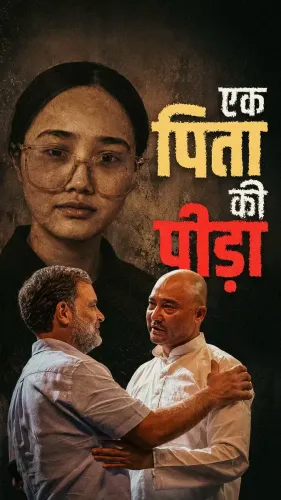
At the centre of the crisis are lakhs of medical aspirants — many from economically disadvantaged backgrounds — who invest years of preparation and significant financial resources to qualify for NEET-UG. The families of students who died by suicide following the paper leak allegations represent the human cost of institutional failure in examination governance.
The INDIA alliance, a coalition of opposition parties formed to contest the BJP-led NDA in national elections, has consistently used public commemorations and marches to spotlight alleged government failures on exam integrity and student welfare. Thursday's march signals that the opposition intends to keep the issue alive both on the streets and inside Parliament.
What's Next
Parliamentary questions and debates on NTA reforms and the government's response to the NEET paper leak controversy are expected to intensify in upcoming sessions. Any formal government statement on revised exam protocols or accountability measures will be closely watched by student groups and legal petitioners alike.
The opposition's sustained pressure — combining street demonstrations with legislative scrutiny — suggests the demand for structural reform of India's centralised examination system is unlikely to recede until concrete institutional changes are announced.
Point of View
Not merely an administrative lapse. By centring student deaths and injuries, the opposition shifts the narrative from procedural accountability to human cost, making it harder for the government to respond with technical reassurances alone. This move fits a broader opposition pattern of street action reinforcing parliamentary pressure, designed to keep exam integrity on the legislative agenda ahead of any session debates on NTA reform. The sustained dual-track strategy — public commemoration plus legislative scrutiny — suggests the opposition sees NEET as a long-term vulnerability for the ruling coalition.
NationPress
22 Oct 2026
Frequently Asked Questions
Why did Rahul Gandhi march to Gandhi Smriti on 23 July 2026?
Rahul Gandhi led INDIA alliance MPs to Gandhi Smriti to mourn students who died by suicide following the NEET-UG paper leak and to express solidarity with students reported injured in connection with the controversy.
What is the NEET paper leak controversy?
In 2024, widespread allegations emerged that question papers for NEET-UG, the national medical entrance test conducted by the NTA, had been leaked before the examination, triggering protests, Supreme Court petitions, and demands for cancellation and an independent probe.
What is Gandhi Smriti and why was it chosen for the march?
Gandhi Smriti on Tees January Marg, New Delhi, is the memorial where Mahatma Gandhi spent his final days and was assassinated on 30 January 1948. Opposition parties frequently choose the site for acts of political symbolism to lend moral weight to their public positions.
What is the INDIA alliance?
The INDIA alliance is a coalition of opposition parties, including the Indian National Congress, formed to contest the BJP-led NDA in national elections.
What reforms have been demanded following the NEET paper leak?
Opposition parties, student groups, and legal petitioners have demanded structural reform of the National Testing Agency, greater transparency in exam administration, and a formal independent investigation into the paper leak allegations.