Akhilesh vows Bismillah Khan 'Shravan Museum' if SP wins power
Synopsis
SP president Akhilesh Yadav attacked the BJP as hostile to art and artists, invoked Bharat Ratna Bismillah Khan's syncretic legacy, and promised to build a dedicated 'Shravan Sangrahalaya' to preserve the shehnai maestro's musical heritage if the SP returns to power.
Key Takeaways
Akhilesh Yadav accused the BJP of systemic hostility to art, arguing conservatives fear creative people because artists drive social transformation.
He declared that dismantling the legacy of a Bharat Ratna recipient is equivalent to dismantling India's own honour.
Ustad Bismillah Khan was awarded the Bharat Ratna in 2001 and is iconic for playing the shehnai at Red Fort on Independence Day 1947 .
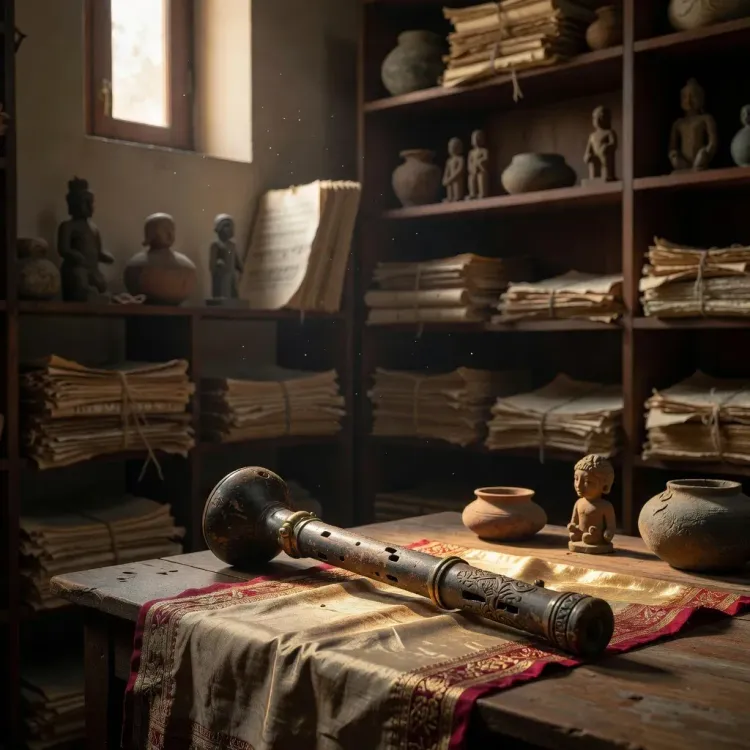
Akhilesh pledged to build a 'Shravan Sangrahalaya' (Listening Museum) dedicated to Khan's musical heritage if the SP wins power.
The post positions the SP as the defender of Uttar Pradesh's syncretic, pluralist cultural traditions against what it calls BJP's narrow-minded agenda.
The cultural attack signals a broader SP electoral strategy of invoking minority artistic icons to challenge BJP's dominance in Uttar Pradesh .
A shehnai that once filled wedding halls, temples, and the ramparts of the Red Fort with sound — and a politician who says its master's legacy is now under threat. Samajwadi Party president Akhilesh Yadav on Saturday, 7 November 2026 launched a sharp cultural broadside at the BJP, accusing it of hostility toward artists and promising to build a dedicated 'Shravan Sangrahalaya' (Listening Museum) to preserve the musical heritage of Bharat Ratna Bismillah Khan if the Samajwadi Party returns to power.
The charge: BJP as the enemy of creative India
Akhilesh's post opens with a stinging rhetorical cut — 'jinke liye shehnai nahin baji, unse aur kya umeed karna?' ('What else can you expect from those for whom the shehnai never played?') — framing the BJP and its ideological allies as constitutionally tone-deaf to art. He argues that conservative, orthodox forces have always feared creative people because artists, by their very nature, build the ground for social transformation. 'Positive art,' he writes, 'gives birth to empathy and tolerance — and that is precisely why they see every form of art as an obstacle to their agenda.'
The sharpest line is a direct equation: dismantling the composite legacy of a Bharat Ratna recipient is, he says, the same as dismantling the honour of India itself. The post ends with a blunt verdict — 'BJP nafrat ki aag mein jalkar desh ko nuqsan pahuncha rahi hai' ('The BJP, burning in the fire of hatred, is damaging the country') — before pivoting to the pledge.
Bismillah Khan: the Bharat Ratna whose shehnai defined a nation's soundtrack
Ustad Bismillah Khan, born in Bihar in 1916 and rooted for most of his life in Varanasi, is inseparable from the history of independent India. He played the shehnai at Red Fort on the midnight of 15 August 1947 as the tricolour was raised — a moment woven permanently into the country's founding memory. India's highest civilian honour, the Bharat Ratna, was conferred on him in 2001, recognising a lifetime of elevating a folk instrument to the highest registers of Hindustani classical music.
Khan's legacy is also an emblem of Varanasi's syncretic culture — a Muslim maestro who performed at the Vishwanath temple, who saw no contradiction between devotion and his faith. For the Samajwadi Party, which has long positioned itself as the custodian of composite, pluralist traditions in Uttar Pradesh, invoking Bismillah Khan is both a cultural and an electoral argument.
The 'Shravan Sangrahalaya' pledge and what it signals
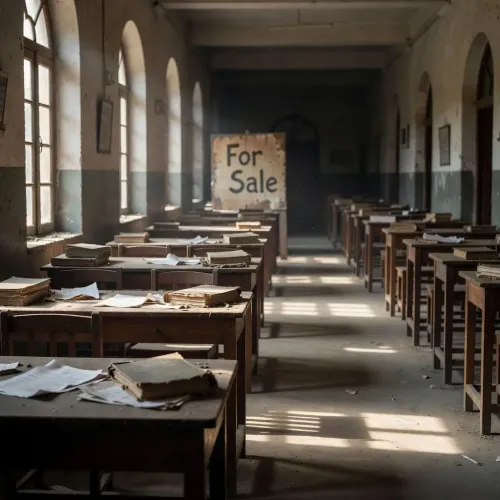
The concrete policy promise in the post — a 'Shravan Sangrahalaya', a museum centred on auditory and musical heritage — is specifically targeted at preserving Khan's body of recordings, instruments, and legacy in an institutional form. The SP leader frames it not as charity but as state duty: when you prefix a name with 'Bharat Ratna', he argues, the nation has made a covenant to protect that honour.
The promise follows a well-worn pattern in Indian state politics: opposition parties announce heritage projects tied to beloved minority cultural figures as proof of their inclusivity credentials ahead of elections. Whether Uttar Pradesh — where the BJP currently governs — has or has not moved to preserve Khan's legacy through formal institutions is a question the SP's attack is designed to keep alive in public discourse.
A culture war with deep electoral roots
The timing and framing of the post reveal a deliberate strategy. The SP's attack is not merely about one musician; it is about defining the BJP as an organisation hostile to India's pluralist artistic inheritance — and positioning the SP as its natural protector. Classical music, Sufi traditions, and syncretic folk forms have all featured in this ongoing cultural contest in Uttar Pradesh, a state where identity, heritage, and power are inextricably linked.
Akhilesh Yadav has increasingly used cultural and symbolic registers to broaden the SP's appeal beyond its traditional base. The shehnai — an instrument that plays at both weddings and funerals, in both temples and mosques — may be the most perfect metaphor he has found yet.
When a nation forgets the soundtrack of its own founding, it has not just lost music. It has lost memory itself.
Point of View
While simultaneously offering a concrete policy pledge. The 'Shravan Sangrahalaya' promise is small in cost but large in symbolism, targeting the SP's Muslim voter base and liberal urban constituencies simultaneously. That Akhilesh specifically invokes the 'Bharat Ratna' prefix — a state honour, not a religious one — is deliberate: it forces the BJP to defend its record on a nationalist, not communal, terrain. This is the SP's emerging playbook: fight identity politics with cultural nationalism of its own.
NationPress
7 Nov 2026
Frequently Asked Questions
Who is Bismillah Khan and why is he significant?
Ustad Bismillah Khan was a legendary shehnai player from Varanasi who received the Bharat Ratna in 2001 , India's highest civilian honour. He is famous for performing at Red Fort on Independence Day 1947 , making him a symbol of the nation's founding moment and its syncretic cultural traditions.
What is the 'Shravan Sangrahalaya' Akhilesh Yadav has promised?
Akhilesh Yadav has pledged to build a 'Shravan Sangrahalaya' — a Listening Museum — dedicated to preserving the musical heritage of Bharat Ratna Bismillah Khan, if the Samajwadi Party comes to power. The museum would aim to institutionally protect Khan's recordings, instruments, and legacy.
Why is Akhilesh Yadav attacking the BJP over arts and culture?
Akhilesh argues that the BJP and its ideological allies are hostile to artists because creative people historically drive social change and foster tolerance — qualities he says threaten the BJP's agenda. He framed the attack around the perceived neglect of Bismillah Khan's legacy as evidence of this hostility.
What is Bismillah Khan's connection to the Samajwadi Party?
There is no formal political connection. However, Khan is a central figure in Varanasi's syncretic, pluralist culture — a Muslim maestro revered at Hindu temples — which the Samajwadi Party consistently invokes as proof of its commitment to composite cultural traditions in Uttar Pradesh.
What was the BJP's response to Akhilesh Yadav's post on Bismillah Khan?
No formal response from the BJP to this specific post was available at the time of publication.