Giriraj Singh flags West Bengal's textile rise
Synopsis
Union Textiles Minister Giriraj Singh praised West Bengal's rising industrial capacity, citing Shri Maa Textiles as evidence that the state is emerging as a key textile manufacturing and export centre — fitting the Centre's national strategy to diversify India's textile output geography.
Key Takeaways
Union Textiles Minister Giriraj Singh highlighted Shri Maa Textiles as a marker of West Bengal's growing textile capacity on 7 November 2026 .
He stated the expansion of such units is positioning Bengal as a prominent centre for textile manufacturing and export .
West Bengal has established handloom and powerloom clusters that feed into the broader national textile supply chain.
The Centre's PLI scheme for textiles , approved in 2021 , aims to attract investment and boost manufacturing and export capacity across India.
Central government statements regularly spotlight textile units in opposition-ruled states to reinforce national manufacturing goals.
Wider eastern-state participation — including Bengal — is seen as critical to growing India's share of global textile trade.
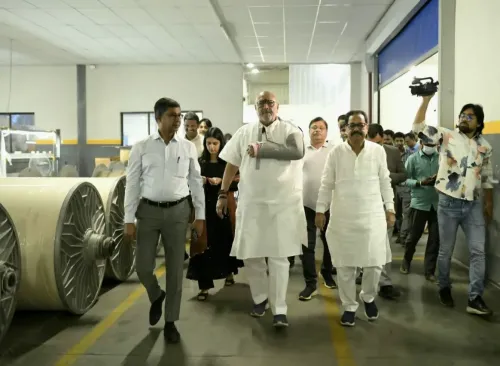
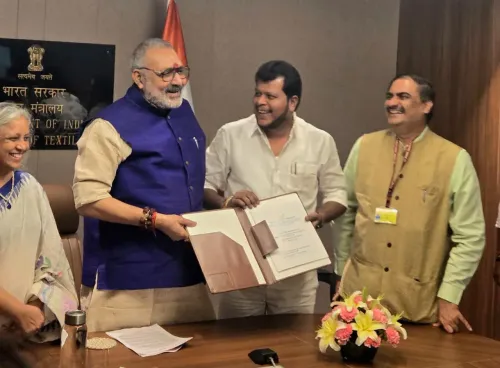
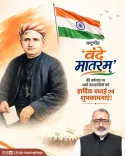
West Bengal is quietly building a case as one of India's next major textile manufacturing and export hubs — and Union Textiles Minister Giriraj Singh wants the country to notice. On Saturday, 7 November 2026, the minister took to X to highlight the growing capacity of industrial units in the state, citing Shri Maa Textiles as an example of the momentum gathering in Bengal's textile sector.
Posting in Hindi, the minister observed that 'औद्योगिक इकाइयां पश्चिम बंगाल में वस्त्र उद्योग की बढ़ती क्षमता और संभावनाओं को दर्शाती हैं' — industrial units like Shri Maa Textiles reflect the growing capacity and potential of the textile industry in West Bengal. He added that the expansion of such industries is playing a crucial role in establishing the state as a prominent centre for textile manufacturing and export.
Bengal's textile geography: handlooms, powerlooms, and what comes next
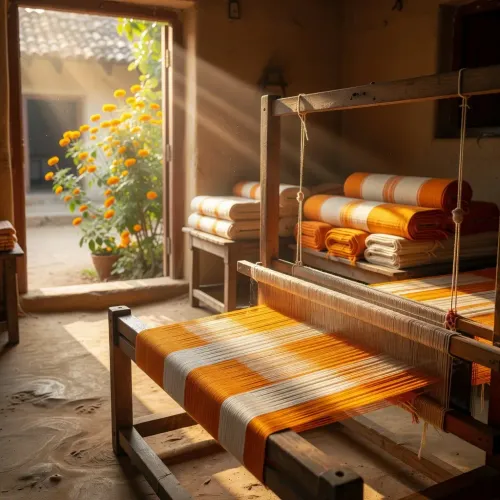
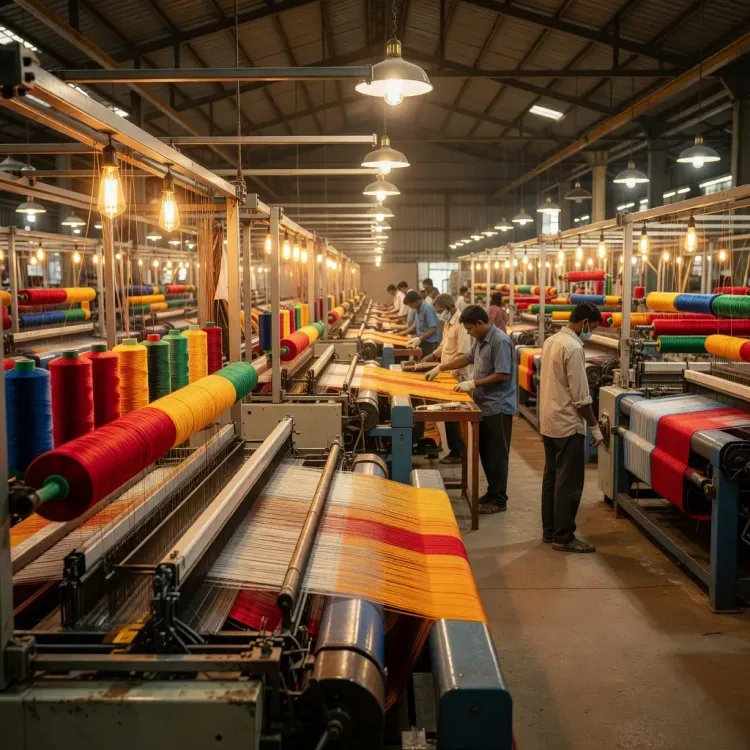
West Bengal carries deep textile roots — from the handloom clusters of Murshidabad and Nadia to the powerloom belts feeding garment manufacturers across eastern India. The state contributes meaningfully to national textile output, though it has historically punched below its geographic and workforce potential in the organised export segment. Units like the one the minister flagged signal a shift toward larger-scale, export-oriented manufacturing.
The Centre's Production Linked Incentive (PLI) scheme for textiles, approved in 2021, was designed precisely to catalyse this kind of capacity expansion — drawing investment into man-made fibre and technical textiles with output-linked financial incentives. Wider participation from eastern states, including Bengal, would be critical to India's stated ambition of expanding its share of global textile trade.
A BJP minister spotlighting an opposition-ruled state
There is a deliberate pattern worth noting here. The Central government — led by BJP — regularly highlights textile and manufacturing progress in states governed by opposition parties, including Trinamool Congress-ruled West Bengal. The framing is consistent: national sector goals transcend state political boundaries. By pointing to a Bengali industrial unit, Minister Singh signals that the textile ministry's ambitions are pan-India, not just confined to BJP-governed states.
For MSME exporters and textile manufacturers in Bengal, the ministerial spotlight — however brief — carries practical value: it keeps the state's textile potential on New Delhi's radar as decisions around scheme allocations and integrated textile park placements are made in ministry reviews and parliamentary sessions.
India's global textile trade share ambitions hinge on exactly this kind of geographic diversification of manufacturing. Bengal has the clusters, the workforce, and now — apparently — the ministerial attention. The question is whether that attention converts into scheme investment on the ground.
Point of View
Maharashtra, and Tamil Nadu. The shout-out to Bengal also keeps PLI scheme optics alive at a time when ministry reviews and parliamentary questions around scheme utilisation are routine pressure points. Whether the signal translates into concrete scheme allocations for eastern clusters will be the real test of this stated priority.
NationPress
7 Nov 2026
Frequently Asked Questions
What did Giriraj Singh say about West Bengal's textile industry?
On 7 November 2026 , Union Textiles Minister Giriraj Singh stated that industrial units like Shri Maa Textiles reflect West Bengal's growing textile capacity and potential, and that such expansions are helping establish the state as a major textile manufacturing and export centre.
What is the PLI scheme for textiles?
The Production Linked Incentive (PLI) scheme for textiles was approved by the Central government in 2021 to attract large investment, boost manufacturing capacity, and increase India's textile exports — particularly in man-made fibres and technical textiles.
Why is West Bengal significant for India's textile sector?
West Bengal has well-established handloom and powerloom clusters — notably in districts like Murshidabad and Nadia — that contribute to national textile output, and the state's workforce and geographic position make it a potential major player in organised textile exports.
Who is Giriraj Singh?
Giriraj Singh is a senior BJP leader, Union Minister of Textiles , and Lok Sabha MP representing Begusarai in Bihar.
Does the Central government support textile growth in opposition-ruled states?
Yes — the Central government routinely highlights textile and manufacturing progress across all states, including those governed by opposition parties, to underscore national sector goals and India's broader export ambitions.