Rahul Gandhi Demands NTA Chief's Dismissal Over Student Crisis
Synopsis
Leader of the Opposition Rahul Gandhi on 25 July 2026 demanded the dismissal of the NTA chief, action against the guilty, and a public apology to students, accusing PM Modi of neglecting crores of aspirants while posting midnight social media content.
Key Takeaways
Congress leader Rahul Gandhi posted on X on 25 July 2026 attacking PM Modi over the student examination crisis.
Gandhi demanded the dismissal of the NTA chief , punitive action against those responsible, and a formal apology to students.
He accused Modi of 'ruining the future of crores of students' and criticised the Prime Minister's social media activity as a distraction.
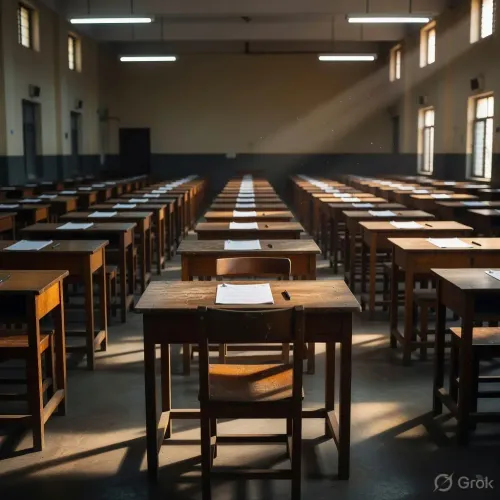
The post references the ongoing crisis surrounding the National Testing Agency (NTA) , which has faced allegations of paper leaks and irregularities in exams like NEET-UG .
The National Education Policy 2020 and NTA's functioning since 2019 have been under sustained opposition scrutiny.
The demands signal that the examination accountability issue is likely to dominate the next parliamentary session.
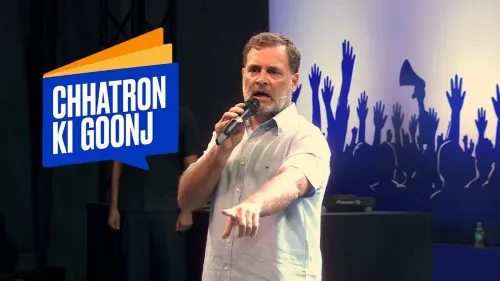
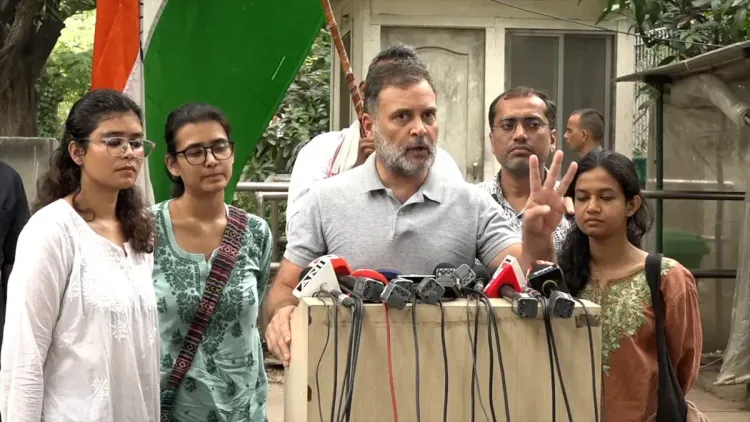
Congress leader Rahul Gandhi, Leader of the Opposition in Lok Sabha, on Saturday, 25 July 2026, sharply attacked Prime Minister Narendra Modi over the ongoing examination integrity crisis, demanding the dismissal of the head of the National Testing Agency (NTA), action against the guilty, and a public apology to students.
Posting in Hindi on X, Gandhi wrote: 'मोदी जी, करोड़ों छात्रों का भविष्य बर्बाद करने के बाद अब आधी रात की Reel से उनका वक़्त बर्बाद मत कीजिए' — ('Modi ji, after having ruined the future of crores of students, do not now waste their time with a midnight Reel.'). He followed this with three pointed demands: 'Pradhan barkhast. Doshiyon par karwai. Chhatron se maafi.' — ('Dismiss the chief. Action against the guilty. Apology to students.') — and concluded: 'Nothing less than this is acceptable.'
Context
The post comes against the backdrop of a prolonged crisis surrounding national-level entrance examinations administered by the NTA. The agency, which took over major entrance tests from CBSE in 2019, has faced repeated scrutiny over logistics, fairness, and allegations of paper leaks. Gandhi's reference to 'crores of students' whose futures have been 'ruined' directly invokes the grievances of medical and engineering aspirants who depend on exams such as NEET-UG and JEE.
The critique of a 'midnight Reel' is a pointed jab at the Prime Minister's social media activity, contrasting it with what Gandhi frames as a failure of governance on student welfare. The Congress party and other opposition groups have consistently used both parliamentary forums and social media to press accountability on the examination system.
Policy Backdrop
The National Education Policy (NEP) 2020 was introduced to restructure school and higher education, but implementation gaps — particularly in examination administration — have drawn sustained criticism. In 2024, allegations of irregularities and paper leaks in the NEET-UG examination triggered nationwide student protests and a wave of court petitions demanding systemic reform.
The Ministry of Education oversees the NTA, and demands for accountability have repeatedly focused on whether the agency has the institutional capacity to conduct high-stakes examinations fairly and securely. Opposition parties have called for structural overhaul of the NTA and greater transparency in the examination process.
Stakeholders and Impact
The crisis affects millions of medical aspirants, engineering students, and their families across India, for whom national entrance examinations represent a singular gateway to professional education. Delays, cancellations, and allegations of irregularities impose severe psychological and financial costs on these students, many of whom prepare for years.
Gandhi's three-point demand — dismissal of the NTA chief, punitive action against those responsible, and a formal apology to students — reflects a broader political pattern in which opposition parties frame examination failures as a direct consequence of executive negligence. The demand for a public apology is particularly significant, as it is rarely made and carries symbolic weight in accountability discourse.
What's Next
Attention will now turn to the government's response, both in terms of any official statement from the Ministry of Education and any action regarding NTA leadership. The next parliamentary session is expected to see renewed debate on examination reforms and student grievance redressal mechanisms. Whether the ruling dispensation moves to restructure the NTA or addresses Gandhi's demands formally will be closely watched by student groups and education policy observers alike.
Point of View
Maximising both news traction and resonance with student communities. The three-part demand structure (dismissal, action, apology) mirrors a well-worn opposition playbook but gains renewed salience given the documented scale of student grievances since 2024. By framing the midnight Reel as a symbol of governmental indifference, Gandhi attempts to widen the credibility gap between the ruling party's digital optics and its governance record on education. The post is likely to intensify pressure on the Ministry of Education ahead of the next parliamentary session.
NationPress
24 Oct 2026
Frequently Asked Questions
What did Rahul Gandhi demand regarding the NTA in July 2026?
Rahul Gandhi demanded the dismissal of the NTA chief, punitive action against those responsible for examination irregularities, and a formal public apology to students, stating that nothing less would be acceptable.
What is the NTA and why is it controversial?
The National Testing Agency (NTA) is an autonomous body under the Ministry of Education that conducts national entrance exams such as NEET-UG and JEE. It has faced repeated allegations of paper leaks, logistical failures, and lack of transparency since taking over major exams from CBSE in 2019.
What is the NEET paper leak controversy?
In 2024, widespread allegations of irregularities and paper leaks in the NEET-UG medical entrance examination triggered nationwide student protests and court petitions, putting the NTA and the Ministry of Education under intense scrutiny.
What did Rahul Gandhi mean by 'midnight Reel' in his post?
Gandhi's reference to a 'midnight Reel' was a criticism of PM Modi's social media activity, contrasting it with what he characterised as the government's failure to address the crisis facing crores of student aspirants.
How has the Congress party responded to exam irregularities in India?
The Indian National Congress and other opposition parties have consistently used parliamentary debates and social media to demand accountability from the NTA and the Ministry of Education, calling for structural reforms, resignations, and student redressal mechanisms.