Rahul Gandhi demands Modi apologise to students over paper leaks
Synopsis
Congress leader Rahul Gandhi on 1 August 2026 attacked PM Modi over India's examination crisis, demanding an apology to students whose years of preparation were destroyed by paper leaks and cancelled exams, calling the system itself dishonest.
Key Takeaways
Rahul Gandhi posted on 1 August 2026 demanding PM Modi apologise to students affected by paper leaks and cancelled examinations.
Gandhi described India's examination system as 'dishonest' and said students are asked to be honest within a corrupt structure.
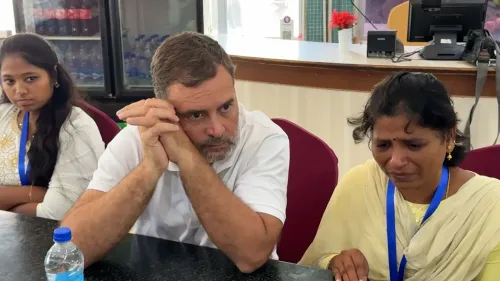
He challenged Modi to meet grieving families who lost children or aspirants whose 'savings, life, time and dreams' were destroyed.
Gandhi rejected any framing of the PM 'forgiving' students, calling it an inversion of accountability.
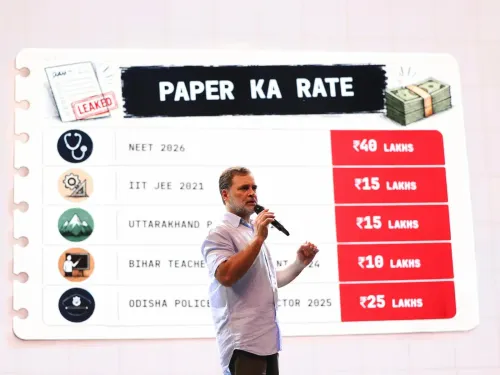
The post references the broader pattern of repeated paper leaks and exam cancellations that have drawn sustained opposition criticism.
The National Education Policy 2020 's integrity goals remain contested against recurring examination failures.
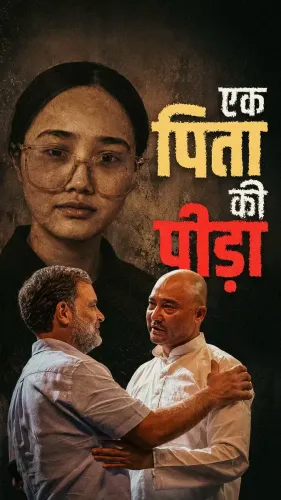
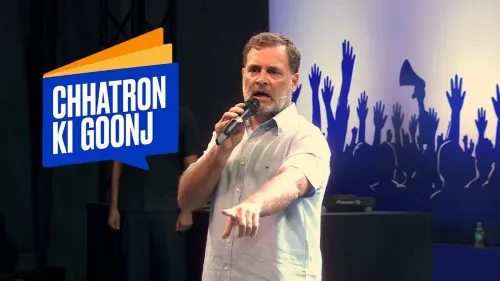
The grief of parents who have lost their children, Congress leader Rahul Gandhi wrote on Saturday, 1 August 2026, is a wound that never closes — and India's broken examination system is the open question that festers alongside it. In a pointed post on X, Gandhi turned his fire on Prime Minister Narendra Modi, demanding not forgiveness for students, but an apology to them.
Gandhi's post, written in Hindi, opens with raw emotion before pivoting to political indictment. 'Apne bacchon ko khone wale mata-pita ke aansu' — 'the tears of parents who have lost their children' — he wrote, framing the examination crisis not as a bureaucratic failure but as a human catastrophe. Paper leaks, cancelled exams, and years of preparation 'destroyed in a single moment' are the charges he lays out in stark succession.
The three-point charge sheet against the system
Gandhi's indictment is structured around three compounding injuries: paper leaks, cancelled examinations, and the erasure of years of student effort. 'Our students are asked to work honestly in a system that is itself dishonest,' he wrote — a line that cuts to the core of the credibility crisis facing India's high-stakes entrance examination apparatus. The accusation is not new, but the framing — a corrupt system demanding integrity from those it cheats — gives it fresh rhetorical force.
Opposition figures have repeatedly raised this pattern over successive examination cycles, pointing to the mental-health toll on aspirants and the financial ruin visited on families who invest years of savings into coaching and preparation. The broader pattern, well established across parliamentary debates, is one of recurring systemic failure rather than isolated incidents.
Gandhi's direct challenge to Modi over 'forgiving' students
The sharpest edge of the post is directed at a reported remark attributed to the Prime Minister about 'forgiving' students — a framing Gandhi calls audacious. 'Does he have the courage to meet even one grieving family that has lost a child, or those whose savings, life, time and dreams were all stolen by paper leaks?' Gandhi asked. His answer, emphatic: 'No.'
The post closes with a demand that inverts the political dynamic entirely: 'India's students do not need the Prime Minister's forgiveness — Modi ji owes them an apology.' It is a calculated rhetorical reversal, shifting the moral burden from the examined to the examiner-in-chief.
NEP 2020's integrity promise and the credibility gap
The National Education Policy 2020, the government's flagship education reform, was built in part on a promise of quality and systemic integrity. Critics argue that repeated examination failures expose a widening gap between that stated ambition and on-the-ground reality. Parliamentary committees on education reform and any forthcoming legislation on paper-leak prevention will be the next arena where these competing claims are tested.
For millions of aspirants preparing for competitive examinations, the stakes are existential — not abstract. Gandhi's post, whatever its political calculus, lands in that lived reality. The question it leaves on the table is whether the anger it channels will translate into accountability, or dissolve into the next news cycle.
Point of View
Using the language of parental grief to reframe a systemic policy failure as a moral debt owed by the Prime Minister personally. By demanding an apology rather than reform, he shifts the debate from bureaucratic accountability to political culpability — a move that keeps the Congress opposition visible on an issue with mass youth resonance. The invocation of NEP 2020's unfulfilled integrity promise adds a policy anchor to what might otherwise read as pure rhetoric. Whether the government responds substantively or lets the moment pass will signal how seriously it reads the electoral weight of the student-aspirant demographic.
NationPress
16 Sept 2026
Frequently Asked Questions
What did Rahul Gandhi say about paper leaks on 1 August 2026?
Rahul Gandhi posted on X on 1 August 2026 condemning India's examination system as dishonest, citing paper leaks and cancelled exams that destroyed years of student preparation, and demanding PM Modi apologise to affected students.
Why is Rahul Gandhi asking Modi to apologise to students?
Gandhi argued that students are asked to be honest within a system that is itself corrupt, and that the Prime Minister's reported framing of 'forgiving' students inverts accountability — it is the government that owes students an apology, not the other way around.
What is the paper leak crisis in India's examination system?
India's high-stakes competitive examinations have faced repeated incidents of question paper leaks, leading to mass cancellations and re-examinations. Millions of aspirants who spend years and significant money preparing are directly affected when exams are cancelled or compromised.
What is the National Education Policy 2020 and how does it relate to exam integrity?
The National Education Policy 2020 is the government's flagship education reform framework, which includes commitments to quality and systemic integrity in education. Critics argue that recurring paper leaks and exam failures reveal a gap between the policy's stated goals and actual outcomes.
Has the government responded to Rahul Gandhi's demand for an apology to students?
No government response to Gandhi's specific post on 1 August 2026 has been confirmed. Parliamentary debates and committee reports on exam regulatory reform remain the formal arena where these accountability questions are expected to be contested.