CM Fadnavis Hails Major Abhilasha Barak's UN Gender Award
Synopsis
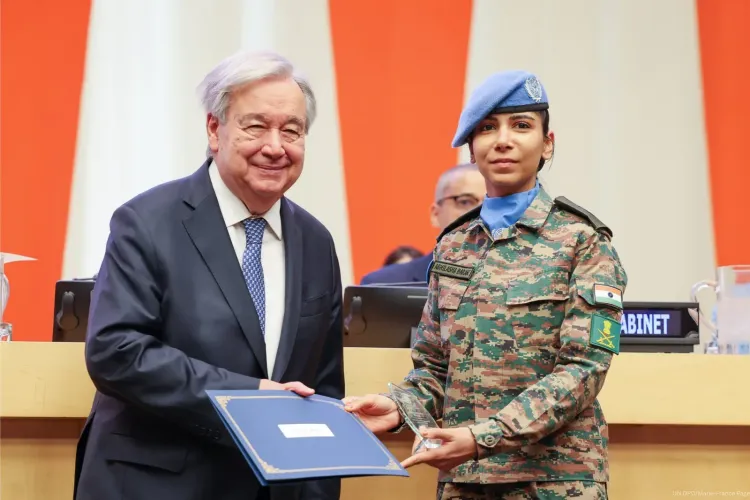
Maharashtra CM Devendra Fadnavis praised Major Abhilasha Barak on receiving the UN Military Gender Advocate of the Year Award for her service with UNIFIL in Lebanon, calling her a beacon of inspiration for women and girls in conflict zones.
Key Takeaways
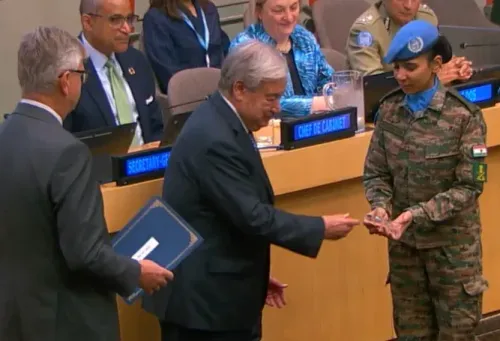
Major Abhilasha Barak of the Indian Army has been conferred the UN Military Gender Advocate of the Year Award by UN Peacekeeping.
She served with UNIFIL , the UN peacekeeping force along the Lebanon-Israel border , established in 1978 .
Maharashtra CM Devendra Fadnavis publicly congratulated her on June 7, 2026 , calling her a 'true beacon of inspiration.' India has contributed to UN peacekeeping since the 1950s and expanded women's deployment following UN Security Council Resolution 1325 (2000) .
India is among the largest troop-contributing countries to UN missions globally, with growing female participation in peacekeeping roles.
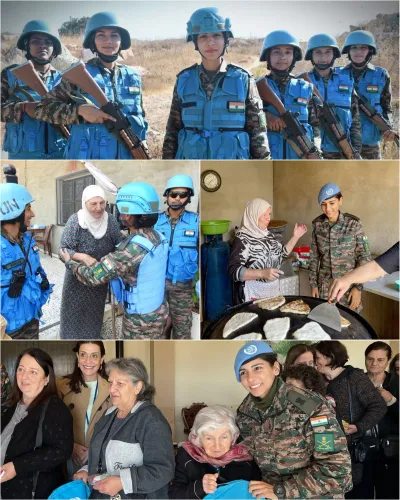
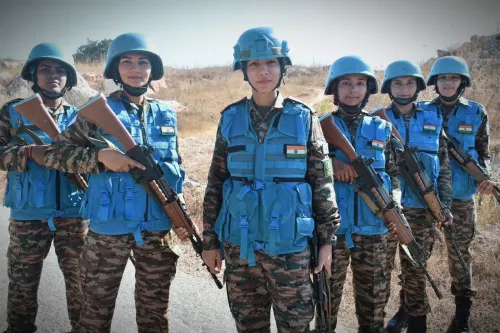
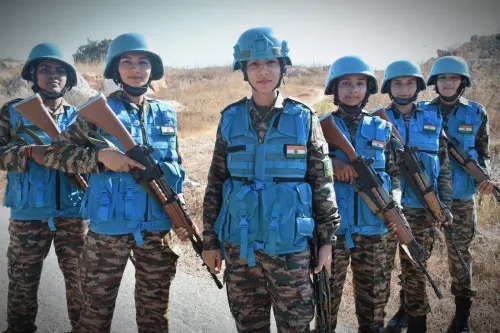
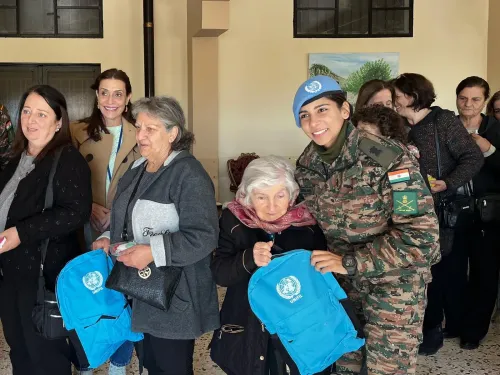
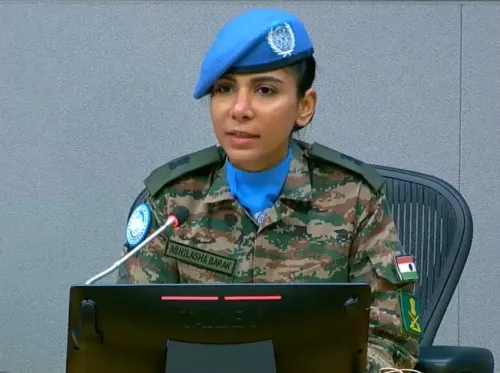
Maharashtra Chief Minister Devendra Fadnavis on Sunday, June 7, 2026, congratulated Major Abhilasha Barak of the Indian Army on being conferred the UN Military Gender Advocate of the Year Award for her service with the United Nations Interim Force in Lebanon (UNIFIL). The Chief Minister praised her as a 'true beacon of inspiration' for her role in protecting communities and transforming the lives of women and girls under challenging conditions.
Context
Major Abhilasha Barak has been serving with UNIFIL, the UN peacekeeping force stationed along the Lebanon-Israel border that was established in 1978 to monitor ceasefires and support regional stability. The UN Military Gender Advocate of the Year Award is conferred annually by UN Peacekeeping to recognise military personnel who have made exceptional contributions to advancing gender equality and the women, peace and security agenda within peacekeeping operations. CM Fadnavis, in his post, described her as serving as 'a shield of peace' — not only protecting communities but also driving change for women and girls in conflict-affected areas.
Policy Backdrop
India has been a contributor to UN peacekeeping operations since the 1950s, with deployments spanning missions across Africa and West Asia, including Lebanon. Following UN Security Council Resolution 1325 (2000) — the landmark resolution on women, peace and security — India progressively expanded the recruitment and deployment of women in its armed forces and in peacekeeping units. The recognition of Major Barak reflects this long-standing policy commitment, with successive governments highlighting individual achievements by women officers to underscore India's multilateral engagement and its alignment with global gender-equity frameworks.
Stakeholders and Impact
India ranks among the largest troop-contributing countries to UN missions worldwide, and the growing participation of women peacekeepers has become a point of national pride and diplomatic emphasis. Awards such as the UN Military Gender Advocate of the Year carry significance beyond individual recognition — they signal to the international community that contributing nations are actively advancing the women, peace and security agenda on the ground, not merely in policy declarations. For women in the Indian armed forces, Major Barak's recognition serves as a high-profile marker of what frontline service in multilateral missions can achieve.
What's Next
Attention will now turn to any formal felicitation of Major Abhilasha Barak by the Indian government or the armed forces, as well as the next cycle of UN gender advocate awards and updates on India's troop rotations within UNIFIL. CM Fadnavis's public acknowledgement also signals that her achievement is likely to receive broader political attention across party lines, reinforcing India's narrative of women's leadership in international peacekeeping as a cornerstone of its foreign and defence policy.
Point of View
The ruling establishment signals continuity with a post-Resolution 1325 policy arc that has seen women officers move from support roles to frontline peacekeeping deployments. The gesture also carries domestic resonance, projecting the BJP-led government as a champion of women in uniform at a moment when female representation in the armed forces remains a live political conversation. Internationally, it reinforces India's bid for greater influence in UN bodies and its positioning as a responsible, progressive troop-contributing nation.
NationPress
22 Oct 2026
Frequently Asked Questions
Who is Major Abhilasha Barak?
Major Abhilasha Barak is an Indian Army officer who served with UNIFIL, the UN peacekeeping force in Lebanon, and has been conferred the UN Military Gender Advocate of the Year Award for her contributions to gender equality and community protection in a conflict zone.
What is the UN Military Gender Advocate of the Year Award?
The UN Military Gender Advocate of the Year Award is an annual recognition given by UN Peacekeeping to a military peacekeeper who has made outstanding efforts to advance gender equality and implement the women, peace and security agenda during their mission.
What is UNIFIL and why is India involved?
UNIFIL, or the United Nations Interim Force in Lebanon, was established in 1978 to monitor the ceasefire along the Lebanon-Israel border. India has been a troop-contributing country to UNIFIL as part of its long-standing participation in UN peacekeeping operations dating back to the 1950s.
Why did CM Devendra Fadnavis congratulate Major Abhilasha Barak?
Maharashtra Chief Minister Devendra Fadnavis posted on X to congratulate Major Abhilasha Barak on receiving the UN Military Gender Advocate of the Year Award, praising her service as a 'shield of peace' and calling her a beacon of inspiration for women and girls.
How many women does India deploy in UN peacekeeping missions?
India is among the largest troop-contributing countries to UN missions globally and has been increasing the deployment of women officers in peacekeeping roles, particularly following UN Security Council Resolution 1325 (2000) on women, peace and security.